About This Test Bank
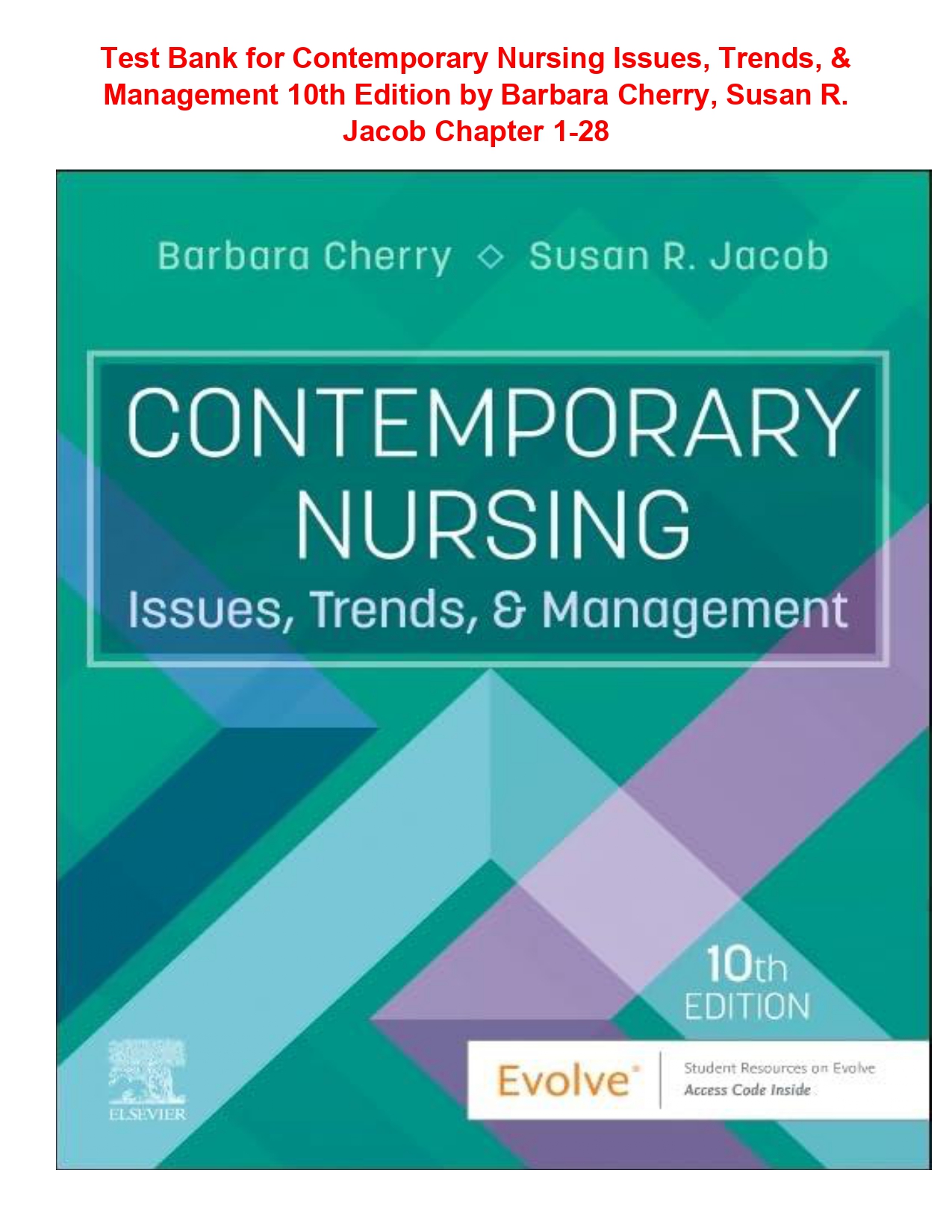
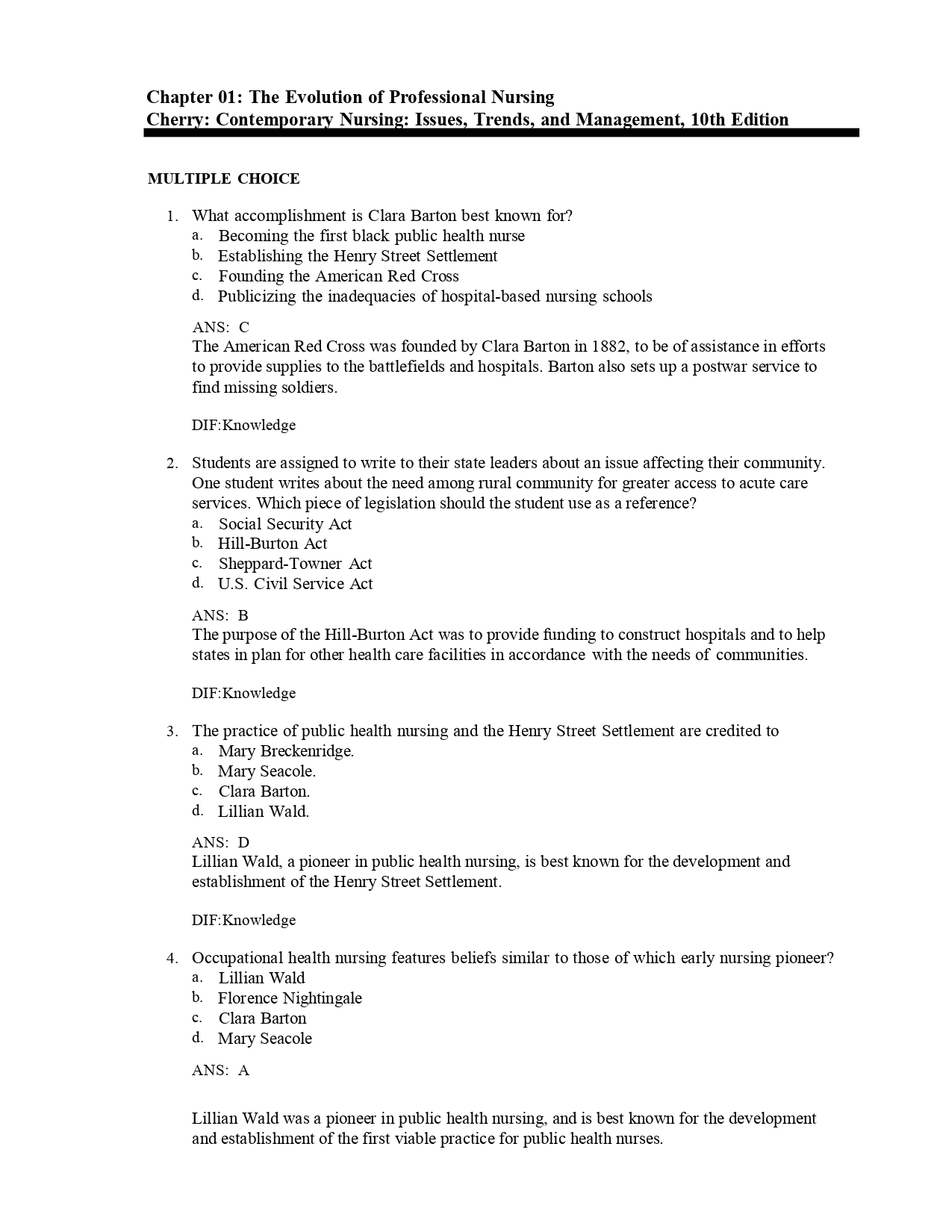
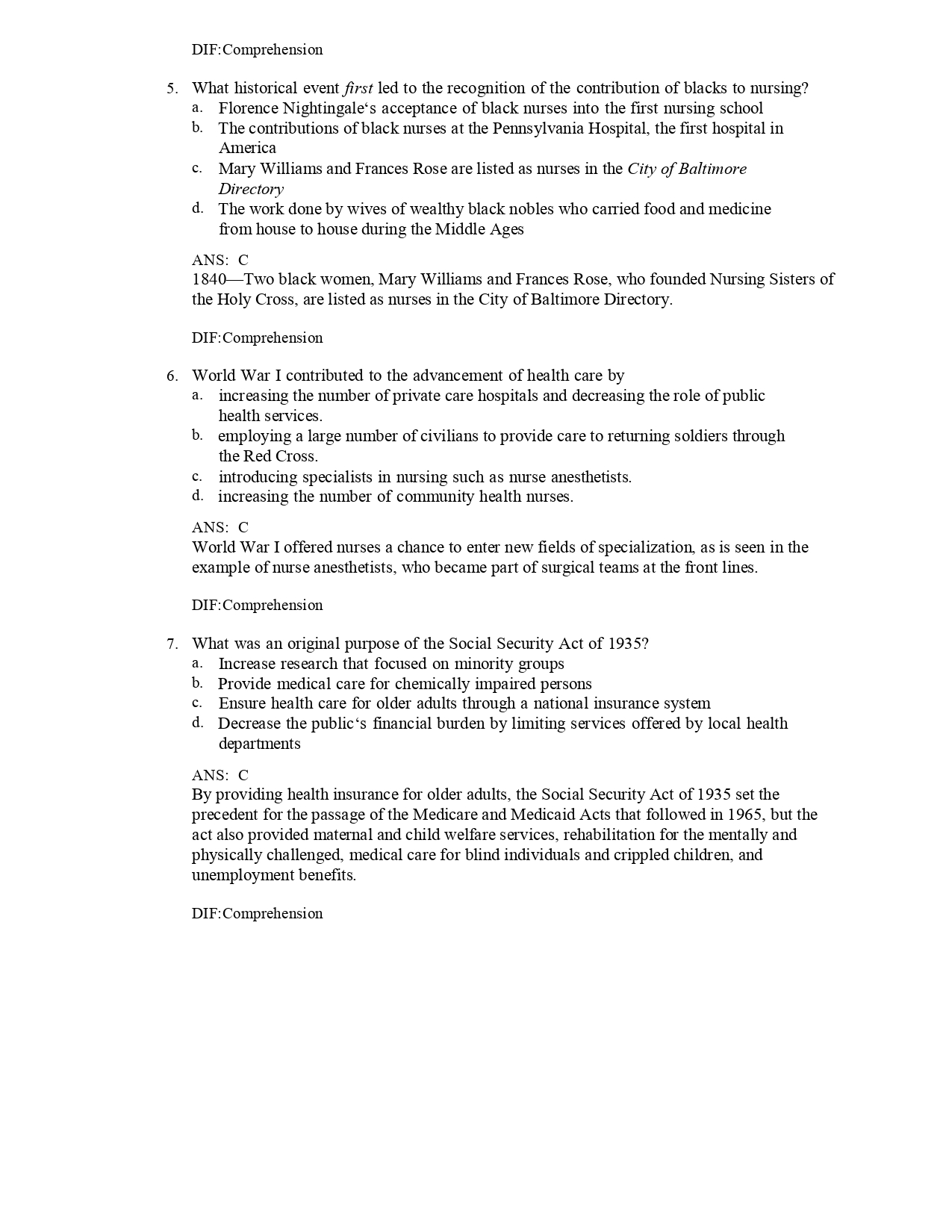
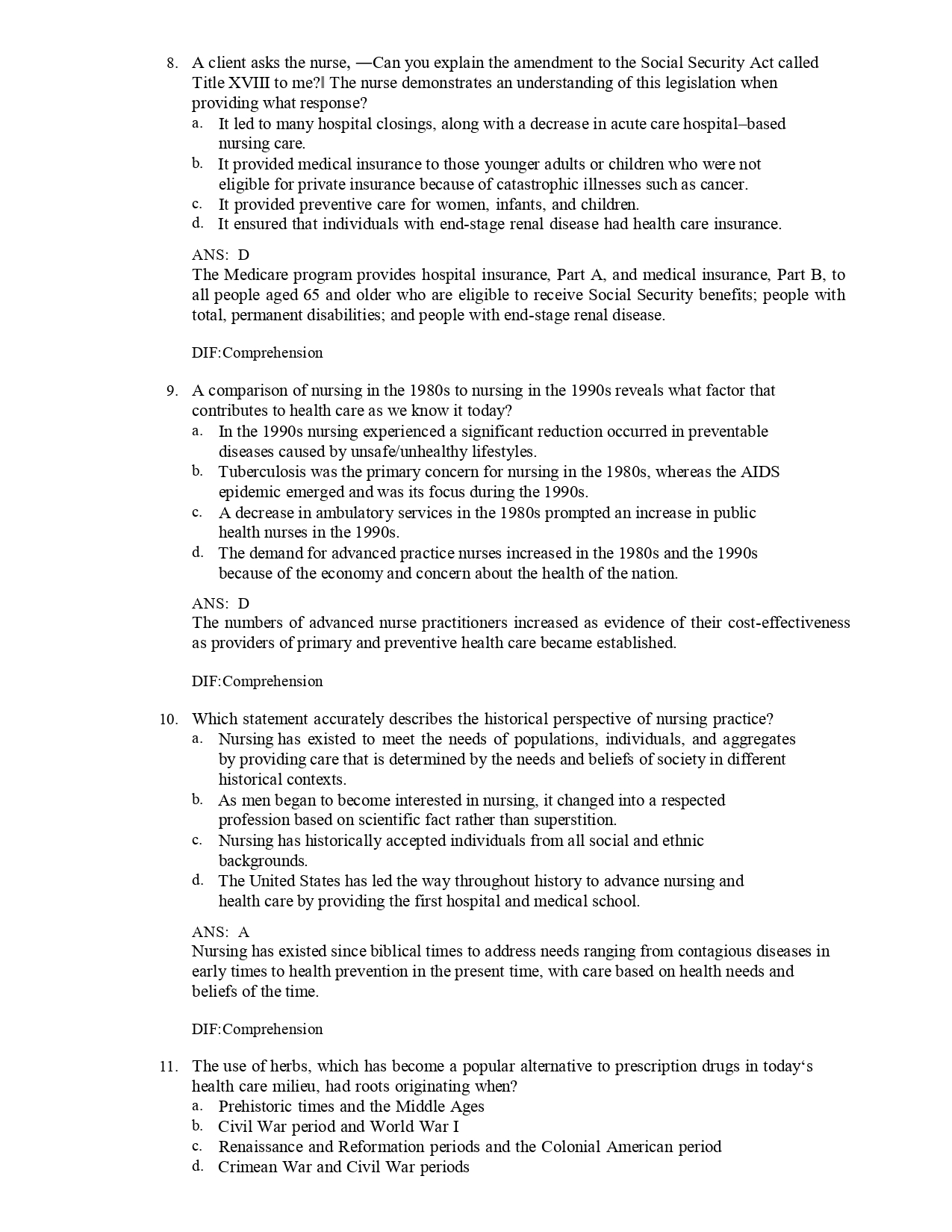
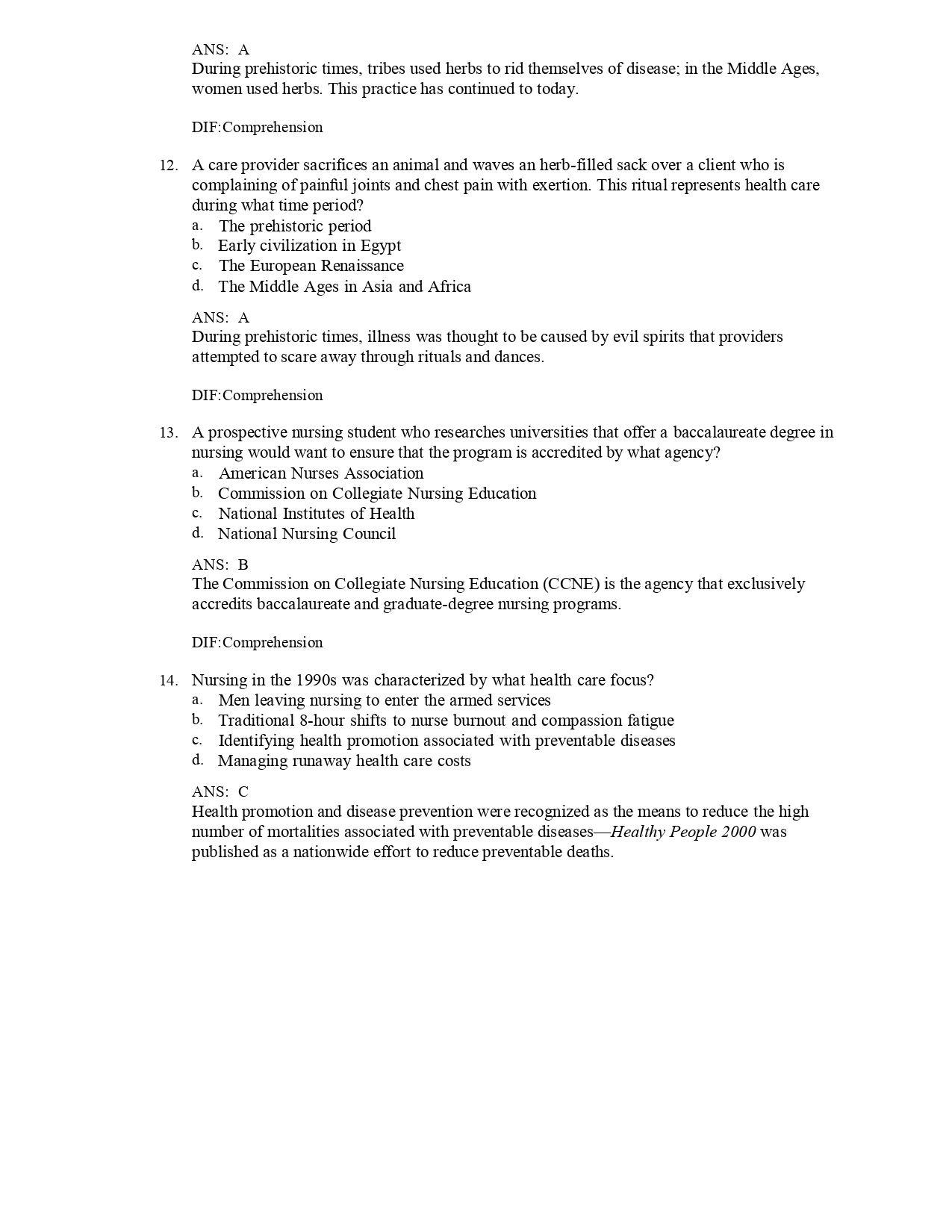
If you are studying nursing and want to feel ready for your exams, this test bank is for you. It covers every chapter of Contemporary Nursing Issues, Trends, & Management, 10th Edition by Barbara Cherry and Susan R. Jacob.
This is not a textbook. It is a collection of exam-style questions that mirror what you will see in class and on nursing board exams. Each question is written to test what you truly understand, not just what you memorized.
We put this together with one goal in mind — to help nursing students pass their exams with confidence.
What’s Inside
This test bank covers a wide range of nursing topics. Here is what you get:
- Hundreds of multiple-choice questions organized by chapter
- Questions that match the style used in NCLEX-style exams
- Correct answers clearly marked for every question
- Detailed rationales that explain why each answer is right or wrong
- Questions that cover knowledge, application, and critical thinking
- Content aligned with the 10th edition — no outdated material
Topics Covered
The 10th edition covers major themes in modern nursing. This test bank includes questions on all of them:
- Nursing history and professional identity
- Current healthcare trends and policy changes
- Patient safety and quality care standards
- Leadership and management in nursing
- Legal and ethical issues nurses face daily
- Cultural competence and patient diversity
- Technology and informatics in nursing practice
- Evidence-based practice and clinical decision making
- The nursing workforce and career development
- Community health and public health nursing
Who Should Use This
This test bank is a great fit for:
- Undergraduate nursing students preparing for chapter exams
- Students who want to review before midterms or finals
- Nursing instructors who need ready-made test questions
- Anyone preparing for the NCLEX-RN who wants extra practice
- Study groups who want structured review material
You do not need to read every page of your textbook again. These questions help you focus on the most important concepts quickly.
Why Students Love It
Most test banks are dry and hard to use. This one is different. The questions are clear. The rationales are written in plain English. You will not need a dictionary to understand the explanation.
Students at Nursing Exams Vault have used this material to:
- Improve their exam scores by focusing on weak areas
- Understand concepts they struggled with in class
- Practice time management by working through timed question sets
- Build exam confidence before the real thing
It saves you hours of making your own practice questions from scratch.
Sample Questions with Answers & Rationales
Here are 10 sample questions from the test bank. These are similar to what you will find inside.
Question 1
Which historical event had the greatest influence on shaping modern nursing as a profession?
- A. The creation of the American Nurses Association
- B. Florence Nightingale’s work during the Crimean War
- C. The publication of the first nursing textbook
- D. The establishment of Medicare in the United States
Correct Answer: B Rationale: Florence Nightingale used data and environmental changes to reduce patient mortality during the Crimean War. Her approach established nursing as a science-based discipline and shaped how nurses are trained and evaluated today.
Question 2
A nurse notices that a hospital policy conflicts with a patient’s cultural beliefs. What is the best first action?
- A. Follow the hospital policy without question
- B. Ask the patient to comply with the policy
- C. Assess the patient’s cultural needs and discuss options
- D. Contact the charge nurse to handle the situation
Correct Answer: C Rationale: Culturally competent care requires nurses to first understand the patient’s perspective. Assessment comes before intervention. Dismissing cultural beliefs can harm trust and lead to poor outcomes.
Question 3
Which action best demonstrates evidence-based nursing practice?
- A. Using a technique learned during clinical training 10 years ago
- B. Doing what a senior nurse recommends based on experience alone
- C. Applying current research findings to improve patient care
- D. Following hospital tradition for routine procedures
Correct Answer: C Rationale: Evidence-based practice means using the best available research to make clinical decisions. Experience and tradition have value, but they should be supported by current evidence for optimal patient outcomes.
Question 4
A nursing student asks what the primary purpose of the Nurse Practice Act is. What is the correct response?
- A. To set minimum wage standards for nurses
- B. To define the scope of nursing practice in each state
- C. To regulate the cost of nursing education
- D. To provide nursing staff for underserved communities
Correct Answer: B Rationale: The Nurse Practice Act is a state law that defines what nurses are legally allowed to do in that state. It protects patients and nurses by clearly outlining the boundaries of safe nursing practice.
Question 5
Which nursing leadership style is most effective in emergency situations that require quick decisions?
- A. Democratic leadership
- B. Laissez-faire leadership
- C. Transformational leadership
- D. Autocratic leadership
Correct Answer: D Rationale: Autocratic leadership involves direct decision-making without group input. In emergencies, this is effective because time is limited and clear direction is needed. Other styles work better in routine or collaborative settings.
Question 6
A nurse is caring for a patient who refuses a recommended blood transfusion for religious reasons. What should the nurse do?
- A. Administer the transfusion anyway to save the patient’s life
- B. Document the refusal and notify the physician
- C. Convince the family to override the patient’s decision
- D. Contact the ethics committee without telling the patient
Correct Answer: B Rationale: Competent adult patients have the right to refuse treatment, even life-saving treatment. The nurse’s role is to ensure the decision is informed, document it properly, and notify the medical team. Overriding the decision violates patient autonomy.
Question 7
What is the main goal of quality improvement programs in healthcare?
- A. To reduce nursing staff workload
- B. To improve patient outcomes and reduce errors
- C. To lower the cost of hospital supplies
- D. To increase the number of patients treated each day
Correct Answer: B Rationale: Quality improvement programs focus on making care safer and more effective. While cost savings may result, the primary focus is always on better patient outcomes and minimizing preventable errors.
Question 8
Which of the following is an example of a nurse using clinical informatics?
- A. Writing patient notes by hand in a paper chart
- B. Using an electronic health record to track medication history
- C. Asking a colleague about a patient’s last lab result
- D. Recalling patient information from memory during rounds
Correct Answer: B Rationale: Clinical informatics involves using technology to manage health information. Electronic health records are a core tool in this field. They improve accuracy, support decision-making, and allow care teams to share data efficiently.
Question 9
A patient is being discharged home with a new diabetes diagnosis. Which action supports effective patient education?
- A. Giving the patient a pamphlet and asking them to read it at home
- B. Teaching the patient and having them demonstrate blood glucose monitoring
- C. Telling the patient to search for information online
- D. Scheduling a follow-up appointment without providing instructions
Correct Answer: B Rationale: Effective education includes teach-back and return demonstration. When a patient can demonstrate a skill, it confirms they understand it. Passive methods like handing out pamphlets are not reliable for confirming comprehension.
Question 10
Which trend in healthcare is most directly driving the need for nurses with advanced practice degrees?
- A. A decrease in hospital patient volumes
- B. Growing demand for primary care in underserved areas
- C. Expansion of insurance coverage for elective procedures
- D. Reduced use of technology in clinical settings
Correct Answer: B Rationale: Many rural and low-income communities lack access to physicians. Advanced practice nurses, such as nurse practitioners, help fill this gap. Their expanded training allows them to provide primary care independently in many states.
Frequently Asked Questions (FAQs)
Is this an official product from the publisher? No. This test bank is an independently created study resource. It is not affiliated with or endorsed by the original textbook authors or publisher. It is designed to supplement your studies.
Will I receive a physical book? No. This is a digital product. After purchase, you will receive instant access to download the file. No waiting, no shipping.
What format does the file come in? The test bank is available in PDF format. Easy to open on any device, including laptops, tablets, and phones.
How quickly will I get access after purchasing? Instantly. As soon as your payment is confirmed, a download link will be sent to your email. Most students access their file within minutes.
Is this test bank useful for NCLEX prep? Yes. The questions are written in NCLEX style and test the same levels of critical thinking. It is not a replacement for a full NCLEX prep course, but it is excellent supplemental practice.
Can nursing instructors use this for exams? Yes. Many instructors use test banks to build their own exams. The questions are ready to use or easy to adapt. All answers and rationales are included.
What if I am unhappy with my purchase? We want every student to feel confident about their purchase. If you have an issue with your file, contact our support team and we will resolve it quickly.
Cayte N. –
Exactly what I needed to build exam confidence
Norah Helen –
Perfect
Kevin Fraser –
a solid study guide
Warren Brent –
I like it
Chris martin –
Good quality
Lucille Maria –
An excellent resource
Caleb Martins –
Questions were relevant and well-written
Morgan Fraiser –
Improved my exam performance greatly
Yunice M –
Easy to navigate and practice with.
Rosemary R –
Definitely improved my confidence before test day
Karen Njiru –
Helped me retain more information