, ,

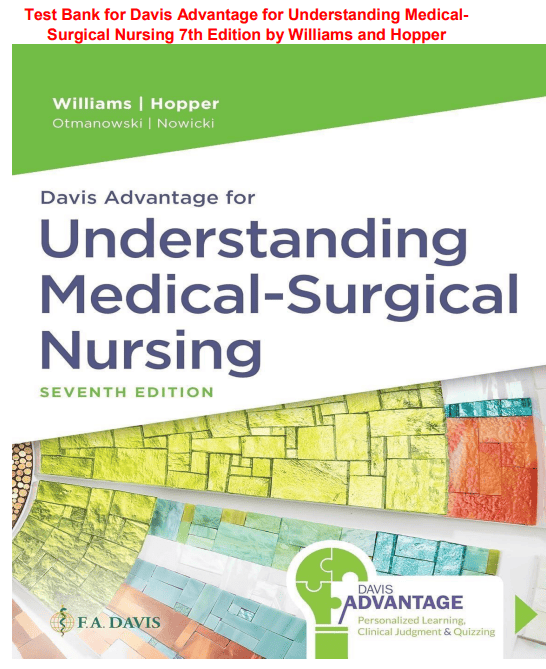
Test Bank for Davis Advantage for Understanding MedicalSurgical Nursing 7th Edition by Williams and Hopper

Rated 4.93 out of 5 based on 14 customer ratings
(14 customer reviews)

$24.00

Test Bank for Williams & Hopper’s Medical-Surgical Nursing 7th Edition. Over 2,000 clinically focused questions covering all body systems, case studies, and NCLEX prep.

MED-SURG IS WHERE NURSING STUDENTS BECOME NURSES.

Not in the lecture hall. Not in the simulation lab. Not even in the skills check-off room where you practiced inserting a Foley catheter into a mannequin until you could do it with your eyes closed.

Med-surg is where it happens. The real thing. The floor where your clinical assignment gives you four patients before 7 AM and every one of them has something different going on. The unit where the patient in Room 312 is three days post-op from a hip replacement and the patient in Room 314 is in early sepsis and the patient in Room 316 has COPD and is not responding to the bronchodilator the way they should and the patient in Room 318 just had a blood glucose of 48 and needs immediate intervention.

Four patients. Four completely different clinical pictures. Competing priorities. A nursing assistant asking which task she should do first. A family member in the hallway wanting an update. A provider on the phone ordering a medication you have never administered before.

This is medical-surgical nursing. And it demands more of a nurse — in terms of breadth, speed, prioritization, and clinical judgment — than almost any other inpatient specialty.

Williams and Hopper’s Davis Advantage for Understanding Medical-Surgical Nursing, 7th Edition is one of the most widely used med-surg nursing textbooks in undergraduate nursing programs. It is clear, clinically grounded, visually organized, and written with the student nurse in mind — which is exactly why it works. It takes the enormous breadth of medical-surgical nursing and makes it learnable without sacrificing the clinical depth that practice actually requires.

This test bank was built to complete what the textbook begins. To take the content you learned from Williams and Hopper and turn it into the applied clinical reasoning that med-surg exams — and med-surg floors — demand.


THE SPECIFIC CHALLENGE OF MED-SURG NURSING EXAMINATIONS

Before you open this test bank, it is worth understanding exactly what makes med-surg nursing exams so difficult — because the challenge is specific, it is predictable, and understanding it is the first step to overcoming it.

The breadth is unlike anything else in your curriculum. Med-surg is not one subject. It is every subject simultaneously. Cardiovascular. Respiratory. Neurological. Musculoskeletal. Gastrointestinal. Renal. Endocrine. Oncological. Immunological. Perioperative. In a single shift on a busy med-surg unit, you may encounter clinical situations that span every one of those systems. The exam reflects that breadth — and students who have studied some systems thoroughly while neglecting others consistently find their exam score reflects those gaps.

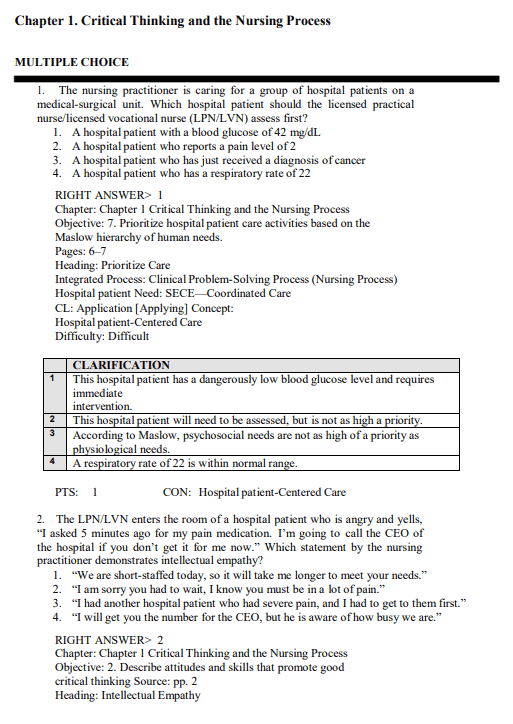
Priority questions are the hardest — and the most important. Med-surg nursing exams do not just ask what to do. They ask what to do first. Which patient do you assess first? Which finding is the most critical? Which action takes priority when two patients need attention simultaneously? These questions require you to apply a consistent clinical prioritization framework — airway, breathing, circulation, safety — across an enormous range of clinical scenarios. Students who have not practiced prioritization questions systematically consistently underperform even when their content knowledge is strong.

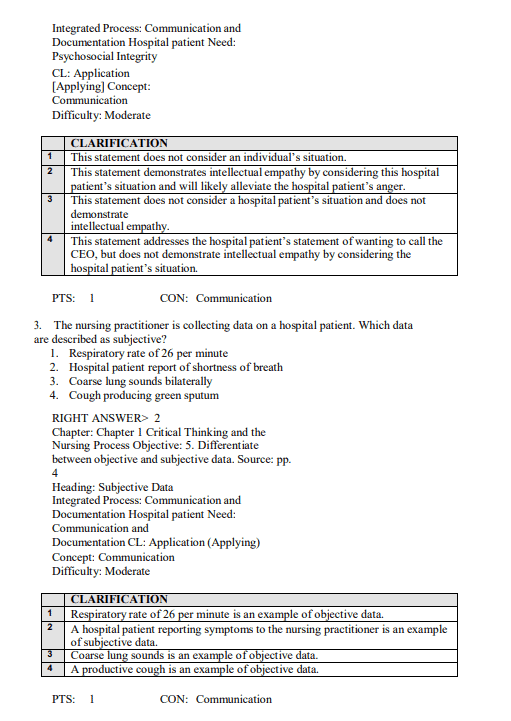
Distinguishing expected from unexpected findings is everything. In med-surg nursing, abnormal is relative. A post-operative patient is expected to have some pain, some fatigue, some diminished breath sounds from splinting. The nurse who treats every finding as equally urgent will exhaust themselves and fail to identify the truly urgent ones. The nurse who normalizes everything will miss early deterioration. The skill of distinguishing expected post-operative findings from early warning signs of complications — distinguishing the predictable from the dangerous — is one of the most tested and most clinically important competencies in medical-surgical nursing.

Complications drive the hardest questions. The most complex questions in med-surg nursing — and the ones with the highest clinical stakes — are about complications. Deep vein thrombosis after joint replacement. Pulmonary embolism in an immobilized patient. Acute kidney injury in a patient receiving nephrotoxic medications. Hypovolemic shock following gastrointestinal hemorrhage. Hypoglycemic crisis in a diabetic patient who missed a meal. These are not rare events on a med-surg floor. They happen. Nurses who recognize them early and respond correctly save lives. Nurses who miss the early signs do not get a second chance with that patient.

This test bank is built to address every one of these challenges systematically. Work through it and med-surg exams will stop feeling overwhelming. Not because the content becomes simpler — it never does. Because your reasoning becomes faster, more organized, and more reliable.


THE DAVIS ADVANTAGE DIFFERENCE

Williams and Hopper’s 7th edition is published under the Davis Advantage imprint — and that distinction matters for how you study.

Davis Advantage is built around adaptive learning and personalized assessment. The textbook itself is designed to identify your learning gaps and guide you toward mastery through targeted practice. The pedagogical philosophy underlying Davis Advantage is that knowing a fact is not the same as being able to apply it — and that the gap between knowledge and application is where nursing exams live.

This test bank is built in the same spirit. The questions are not designed to test recall. They are designed to test application — the ability to take what you learned from Williams and Hopper and use it to make a clinical decision in a scenario you have never seen before. That is what Davis Advantage is designed to develop. That is what this test bank reinforces.

Every question in this resource is a scenario. Every scenario involves a patient with a condition, a clinical finding, and a decision point. Your job is not to remember what the textbook said about that condition. Your job is to reason through the scenario and identify the correct nursing action — the same way you would on a real med-surg floor.


📦 EVERYTHING INSIDE YOUR PURCHASE

Here is precisely what you receive:

  • A comprehensive bank of multiple-choice questions covering every unit and chapter of the 7th edition
  • Questions written in NCLEX-RN clinical scenario format with the priority-setting and clinical judgment focus that med-surg examinations demand
  • Every question paired with a clearly identified correct answer
  • Detailed rationales explaining the physiological, pathophysiological, and nursing reasoning behind each answer — including specific analysis of why each wrong answer fails clinically
  • Questions spanning every major body system, perioperative nursing, oncology, immune disorders, fluid and electrolyte balance, and special populations in medical-surgical care
  • Both PDF and Word formats included for flexible, multi-device studying
  • Content built exclusively around the 7th edition of Williams and Hopper — fully updated, clinically current, and exam-aligned

📚 COMPLETE CONTENT COVERAGE

Every unit. Every chapter. Every system and every clinical concept in the 7th edition.


Unit 1 — Understanding Health Care

  • The healthcare system and the nurse’s role within it
  • Evidence-based practice in medical-surgical nursing
  • Critical thinking and clinical judgment in nursing
  • Nursing process applied to medical-surgical nursing — ADPIE across body systems
  • Communication in nursing — therapeutic communication, SBAR, handoff reporting
  • Documentation — legal standards, electronic health records, and nursing accountability
  • Health promotion and disease prevention — primary, secondary, and tertiary prevention
  • Cultural competence in medical-surgical nursing
  • Legal and ethical issues in medical-surgical nursing
  • Safety in the medical-surgical setting — QSEN competencies, The Joint Commission National Patient Safety Goals
  • Delegation in medical-surgical nursing — five rights, what can and cannot be delegated
  • Informatics and technology in medical-surgical nursing

Unit 2 — Understanding Pathophysiology

  • Cell function and altered cell function — cellular injury, adaptation, and death
  • Fluid, electrolyte, and acid-base balance — physiology and clinical implications
  • Fluid volume deficit and fluid volume excess — assessment and management
  • Electrolyte imbalances — sodium, potassium, calcium, magnesium, phosphate
  • Acid-base imbalances — metabolic and respiratory acidosis and alkalosis — ABG interpretation
  • Inflammation and infection — pathophysiology and nursing implications
  • Immunity — innate and adaptive — clinical applications
  • Altered immunity — hypersensitivity reactions, autoimmune disorders
  • Anaphylaxis — recognition, epinephrine administration, and nursing emergency response
  • Oncological pathophysiology — cancer biology, tumour classification, staging

Unit 3 — Understanding Life Span Influences on Medical-Surgical Nursing

  • Developmental considerations across the adult lifespan in medical-surgical nursing
  • The older adult in the medical-surgical setting — age-related physiological changes and nursing implications
  • Atypical presentations of illness in older adults
  • Polypharmacy in older adults — Beers Criteria application in med-surg
  • The young and middle-aged adult — health risks, health promotion, and nursing care
  • Perioperative considerations across the lifespan

Unit 4 — Understanding the Immune System

  • The immune system — structure, function, and clinical significance
  • Immunodeficiency disorders — primary and secondary
  • HIV disease and AIDS — pathophysiology, staging, antiretroviral therapy, and nursing care
  • Opportunistic infections in HIV — prevention, recognition, and nursing management
  • Autoimmune disorders — systemic lupus erythematosus, rheumatoid arthritis, scleroderma
  • Transplant nursing — immunosuppression, rejection, and nursing care
  • Allergic reactions — mild, moderate, and severe — nursing assessment and response
  • Nursing care of patients with immune disorders — infection prevention, medication management, patient education

Unit 5 — Understanding the Cardiovascular System

Cardiac Anatomy, Physiology, and Assessment

  • Cardiac anatomy and physiology — review for nursing application
  • Cardiovascular assessment — health history, physical examination, diagnostic tests
  • ECG interpretation — rate, rhythm, intervals, waveforms — clinical nursing application
  • Haemodynamic monitoring — arterial lines, central venous pressure, pulmonary artery catheters

Cardiac Disorders

  • Coronary artery disease — risk factors, pathophysiology, and primary prevention nursing
  • Angina pectoris — stable versus unstable versus Prinzmetal — nursing care and patient education
  • Acute coronary syndrome — STEMI and NSTEMI — recognition, emergency response, and nursing priorities
  • Heart failure — systolic versus diastolic, left versus right, New York Heart Association classification
  • Heart failure management — diuretics, ACE inhibitors, beta-blockers, LVAD — nursing care
  • Valvular disorders — mitral and aortic stenosis and regurgitation — nursing assessment and care
  • Infective endocarditis — risk factors, assessment, antibiotic therapy, and nursing care
  • Pericarditis — assessment, management, and nursing care
  • Cardiomyopathy — dilated, hypertrophic, restrictive — nursing implications
  • Dysrhythmias — AF, SVT, VT, VF, heart blocks — rhythm identification and nursing response
  • Cardiac pacemakers and implantable cardioverter-defibrillators — nursing care and patient education
  • Cardiac surgery — CABG, valve replacement — perioperative nursing care

Vascular Disorders

  • Hypertension — JNC classification, risk factors, pharmacotherapy, hypertensive crisis
  • Peripheral arterial disease — assessment, Ankle-Brachial Index, revascularization, and nursing care
  • Peripheral venous disease — chronic venous insufficiency, varicose veins, and nursing management
  • Deep vein thrombosis — risk factors, Virchow’s triad, prevention, anticoagulation, and nursing care
  • Pulmonary embolism — risk factors, recognition, emergency management, and nursing priorities
  • Aortic aneurysm — types, assessment, surgical repair, and nursing care
  • Shock — hypovolemic, distributive, cardiogenic, obstructive — pathophysiology, recognition, and nursing response
  • Hypovolemic shock — haemorrhagic and non-haemorrhagic — fluid resuscitation and nursing priorities

Unit 6 — Understanding the Haematological System

  • Haematological assessment — CBC interpretation, bone marrow function, bleeding assessment
  • Anaemia — iron deficiency, B12 deficiency, folic acid deficiency, aplastic, haemolytic — nursing care
  • Sickle cell disease — vaso-occlusive crisis, acute chest syndrome, and nursing management
  • Polycythaemia vera — hyperviscosity risks and nursing care
  • Thrombocytopenia — ITP, HIT — bleeding precautions and nursing management
  • Coagulation disorders — DIC, haemophilia, von Willebrand disease — nursing care
  • Leukaemia — ALL, AML, CLL, CML — chemotherapy and nursing care
  • Lymphoma — Hodgkin’s and non-Hodgkin’s — treatment and nursing care
  • Multiple myeloma — bone pain, pathological fractures, and nursing management
  • Blood transfusion therapy — blood products, administration, transfusion reactions, and nursing monitoring

Unit 7 — Understanding the Respiratory System

Respiratory Anatomy, Physiology, and Assessment

  • Respiratory anatomy and physiology — clinical nursing review
  • Respiratory assessment — health history, inspection, auscultation, percussion, diagnostic tests
  • Arterial blood gas interpretation — the stepwise nursing approach
  • Pulse oximetry — clinical application and limitations
  • Pulmonary function tests — interpretation and nursing implications

Upper Respiratory Disorders

  • Upper respiratory infections — rhinitis, sinusitis, pharyngitis, laryngitis — nursing management
  • Nasal polyps and deviated septum — assessment and post-operative nursing care
  • Epistaxis — assessment and nursing intervention
  • Obstructive sleep apnea — CPAP therapy, weight management, and patient education

Lower Respiratory Disorders

  • Pneumonia — bacterial, viral, aspiration — assessment, antibiotic therapy, and nursing care
  • Pneumonia prevention — vaccination, aspiration precautions, oral care in ventilated patients
  • Tuberculosis — transmission, diagnosis, DOT, nursing precautions, and public health reporting
  • Pulmonary embolism — pathophysiology, recognition, thrombolytic therapy, and nursing priorities
  • COPD — emphysema and chronic bronchitis — staging, pharmacotherapy, oxygen therapy, and nursing care
  • Asthma — assessment, stepwise management, peak flow monitoring, and patient education
  • Acute asthma exacerbation — nursing priorities and escalation
  • Pleural effusion — assessment, thoracentesis, and nursing care
  • Pneumothorax — spontaneous, traumatic, tension — recognition and emergency response
  • Tension pneumothorax — a nursing emergency — recognition and needle decompression anticipation
  • Pulmonary hypertension — assessment, pharmacotherapy, and nursing monitoring
  • Acute respiratory distress syndrome — pathophysiology, ventilator management, and nursing care
  • Respiratory failure — type I and type II — oxygen therapy, mechanical ventilation, and nursing priorities
  • Lung cancer — types, staging, surgical and non-surgical treatment, and nursing care
  • Chest tubes — insertion, drainage system management, assessment, and nursing troubleshooting
  • Mechanical ventilation — modes, alarms, ventilator-associated pneumonia prevention, and nursing care

Unit 8 — Understanding the Gastrointestinal System

GI Anatomy, Physiology, and Assessment

  • GI assessment — health history, abdominal assessment, diagnostic tests
  • Endoscopy, colonoscopy, and imaging — preparation, nursing responsibilities, and post-procedure care

Upper GI Disorders

  • Nausea and vomiting — causes, anti-emetic therapy, and nursing management
  • Oral disorders — stomatitis, oral cancer — assessment and nursing care
  • Dysphagia — causes, assessment, aspiration risk, and nursing management
  • Gastroesophageal reflux disease — pathophysiology, pharmacotherapy, and patient education
  • Hiatal hernia — types, surgical management, and nursing care
  • Peptic ulcer disease — H. pylori, NSAIDs, pharmacotherapy, and nursing care
  • Peptic ulcer complications — haemorrhage, perforation, obstruction — emergency nursing response
  • Gastric cancer — risk factors, treatment, and nursing care
  • Gastric surgery — partial and total gastrectomy — perioperative nursing care and dumping syndrome

Lower GI Disorders

  • Appendicitis — assessment, surgical management, and nursing care
  • Peritonitis — assessment, IV antibiotic therapy, and nursing priorities
  • Intestinal obstruction — small and large bowel — assessment, NG decompression, and nursing care
  • Inflammatory bowel disease — Crohn’s disease versus ulcerative colitis — medical and surgical management
  • Irritable bowel syndrome — assessment, management, and patient education
  • Diverticular disease — diverticulosis, diverticulitis — dietary management and nursing care
  • Haemorrhoids — assessment and nursing management
  • Colorectal cancer — screening, staging, treatment, and nursing care
  • Hernia — inguinal, umbilical, incisional — assessment and post-operative nursing care
  • Ostomy care — colostomy, ileostomy — stoma assessment, pouch management, and patient education

Accessory Organ Disorders

  • Gallbladder disease — cholecystitis, cholelithiasis — assessment, ERCP, cholecystectomy, and nursing care
  • Pancreatitis — acute and chronic — assessment, pain management, nutritional support, and nursing care
  • Liver disorders — hepatitis A through E — transmission, prevention, treatment, and nursing care
  • Cirrhosis — pathophysiology, complications — ascites, varices, encephalopathy — nursing care
  • Liver failure — fulminant hepatic failure — nursing priorities
  • Liver cancer — primary and metastatic — treatment options and nursing care
  • Liver transplant — indications, perioperative nursing care, and immunosuppression management

Unit 9 — Understanding the Renal and Urinary Systems

Renal Assessment

  • Renal anatomy and physiology — nursing review
  • Urinary assessment — health history, physical examination, urinalysis, and diagnostic tests

Urinary Disorders

  • Urinary tract infections — uncomplicated and complicated — antibiotic therapy and prevention
  • Catheter-associated urinary tract infection — prevention bundle and nursing accountability
  • Urinary incontinence — types, assessment, and nursing management
  • Urinary retention — assessment, catheterization, and nursing care
  • Nephrolithiasis — pathophysiology, pain management, lithotripsy, and nursing care
  • Bladder cancer — assessment, treatment, and nursing care
  • Urinary diversion — ileal conduit, neobladder — post-operative nursing care

Renal Disorders

  • Glomerulonephritis — pathophysiology, assessment, and nursing management
  • Nephrotic syndrome — proteinuria, oedema, and nursing care
  • Acute kidney injury — prerenal, intrarenal, postrenal — pathophysiology, assessment, and nursing priorities
  • Chronic kidney disease — staging, dietary restrictions, pharmacotherapy, and nursing care
  • End-stage renal disease — haemodialysis, peritoneal dialysis, renal transplant — nursing care
  • Haemodialysis — arteriovenous fistula care, dialyser, nursing assessment before, during, and after
  • Peritoneal dialysis — procedure, nursing monitoring, and complication recognition
  • Polycystic kidney disease — pathophysiology, assessment, and nursing care
  • Renal cancer — assessment, nephrectomy, and nursing care

Unit 10 — Understanding the Endocrine System

Endocrine Assessment

  • Endocrine anatomy and physiology — nursing review
  • Endocrine assessment — laboratory tests, imaging, and nursing implications

Pituitary and Adrenal Disorders

  • Pituitary disorders — hyperpituitarism, hypopituitarism, diabetes insipidus — nursing care
  • SIADH — pathophysiology, assessment, fluid restriction, and nursing management
  • Adrenal disorders — Cushing’s syndrome, Addison’s disease, phaeochromocytoma — nursing care
  • Addisonian crisis — recognition, emergency management, and nursing priorities

Thyroid and Parathyroid Disorders

  • Hypothyroidism — assessment, levothyroxine therapy, and patient education
  • Hyperthyroidism and Grave’s disease — assessment, antithyroid drugs, radioactive iodine, and nursing care
  • Thyroid storm — recognition, emergency management, and nursing priorities
  • Thyroid cancer — assessment, thyroidectomy, and post-operative nursing care
  • Post-thyroidectomy complications — hypocalcaemia, laryngeal nerve damage, haemorrhage — nursing assessment
  • Hyperparathyroidism and hypoparathyroidism — assessment and nursing management

Diabetes Mellitus

  • Type 1 diabetes — pathophysiology, insulin management, and nursing care
  • Type 2 diabetes — pathophysiology, oral antidiabetic agents, and nursing care
  • Gestational diabetes — nursing implications
  • Blood glucose monitoring — nursing technique, interpretation, and patient education
  • Insulin therapy — types, administration technique, rotation, hypoglycaemia prevention
  • Diabetic ketoacidosis — pathophysiology, recognition, insulin drip management, and nursing priorities
  • Hyperosmolar hyperglycaemic state — recognition, management, and nursing care
  • Hypoglycaemia — recognition, treatment, glucagon administration, and patient education
  • Long-term complications of diabetes — retinopathy, nephropathy, neuropathy, peripheral vascular disease
  • Diabetic foot care — patient education and prevention of amputation

Unit 11 — Understanding the Musculoskeletal System

Musculoskeletal Assessment

  • Musculoskeletal anatomy and physiology — nursing review
  • Musculoskeletal assessment — health history, physical examination, diagnostic tests

Connective Tissue Disorders

  • Osteoarthritis — assessment, pain management, assistive devices, and joint replacement nursing care
  • Rheumatoid arthritis — pathophysiology, pharmacotherapy, and nursing care
  • Systemic lupus erythematosus — assessment, pharmacotherapy, and nursing care
  • Gout — pathophysiology, acute attack management, dietary education, and nursing care
  • Fibromyalgia — assessment, pain management, and patient education
  • Scleroderma — assessment and nursing management

Bone Disorders

  • Osteoporosis — risk factors, bone density testing, pharmacotherapy, and patient education
  • Paget’s disease of bone — assessment and nursing management
  • Osteomyelitis — assessment, prolonged antibiotic therapy, and nursing care
  • Bone cancer — primary and metastatic — assessment and nursing care

Traumatic Musculoskeletal Disorders

  • Fractures — types, healing stages, immobilisation, and nursing care
  • Hip fracture — assessment, surgical repair options, post-operative nursing care
  • Compartment syndrome — recognition, fasciotomy, and nursing emergency response
  • Cast care — neurovascular assessment, patient education, and complication recognition
  • Traction — types, nursing assessment, and skin integrity management
  • Amputation — perioperative nursing care, phantom limb pain, and rehabilitation
  • Sprains, strains, and dislocations — assessment and nursing management

Joint Replacement

  • Total hip arthroplasty — post-operative nursing care, hip precautions, DVT prevention
  • Total knee arthroplasty — post-operative nursing care, CPM therapy, and rehabilitation
  • Complications of joint replacement — infection, DVT, dislocation — nursing assessment and response

Unit 12 — Understanding the Nervous System

Neurological Assessment

  • Neurological anatomy and physiology — nursing review
  • Neurological assessment — level of consciousness, GCS, pupils, motor and sensory function
  • Diagnostic tests — CT, MRI, LP, EEG — preparation, nursing responsibilities, and post-procedure care
  • Increased intracranial pressure — pathophysiology, assessment, management, and nursing priorities
  • ICP monitoring — nursing assessment and intervention

Neurological Disorders

  • Headache — tension, migraine, cluster — assessment, pharmacotherapy, and patient education
  • Seizure disorders — classification, anticonvulsant therapy, safety, and nursing care
  • Status epilepticus — recognition, benzodiazepine therapy, and nursing emergency response
  • Meningitis — bacterial and viral — assessment, isolation, antibiotic therapy, and nursing care
  • Encephalitis — assessment and nursing management
  • Multiple sclerosis — pathophysiology, disease-modifying therapy, and nursing care
  • Parkinson’s disease — assessment, levodopa-carbidopa therapy, fall prevention, and nursing care
  • Amyotrophic lateral sclerosis — assessment, respiratory support, and nursing care
  • Myasthenia gravis — assessment, cholinesterase inhibitors, myasthenic versus cholinergic crisis, nursing care
  • Guillain-Barré syndrome — ascending paralysis, respiratory monitoring, plasmapheresis, and nursing care
  • Huntington’s disease — assessment and nursing management

Cerebrovascular Disorders

  • Ischaemic stroke — pathophysiology, tPA eligibility window, nursing priorities in the acute phase
  • Haemorrhagic stroke — assessment, blood pressure management, and nursing care
  • Transient ischaemic attack — recognition, secondary prevention, and nursing education
  • Stroke rehabilitation — nursing role in recovery, swallowing assessment, fall prevention

Traumatic Neurological Conditions

  • Traumatic brain injury — mild, moderate, severe — assessment, ICP management, and nursing care
  • Spinal cord injury — complete versus incomplete, neurogenic shock, autonomic dysreflexia — nursing care
  • Autonomic dysreflexia — recognition, immediate nursing response, and triggers

Unit 13 — Understanding Sensory Function

  • Vision disorders — glaucoma, cataracts, macular degeneration, retinal detachment — nursing care
  • Cataract surgery — pre- and post-operative nursing care and patient education
  • Hearing loss — conductive versus sensorineural — assessment, hearing aids, and cochlear implants
  • Ménière’s disease — assessment, dietary modifications, and nursing care
  • Otalgia and otitis media in adults — assessment and nursing management
  • Nose and sinus disorders in adults — epistaxis, sinusitis, polyps

Unit 14 — Understanding the Integumentary System

  • Integumentary anatomy and physiology — nursing review
  • Skin assessment — inspection, documentation of lesions, and wound assessment
  • Wound healing — phases, factors affecting healing, and nursing support
  • Pressure injuries — staging, Braden Scale, prevention bundle, and wound care
  • Burns — classification by depth and extent, fluid resuscitation — Parkland formula, wound care, and nursing priorities
  • Major burn injury — inhalation injury, initial emergency nursing care, and critical care management
  • Skin infections — cellulitis, erysipelas, impetigo, MRSA — nursing care and precautions
  • Inflammatory skin conditions — psoriasis, eczema, contact dermatitis — nursing care
  • Skin cancer — basal cell, squamous cell, melanoma — ABCDE assessment and nursing care
  • Wound care techniques — dressing selection, irrigation, debridement — nursing responsibilities

Unit 15 — Understanding the Reproductive System

Female Reproductive Disorders

  • Female reproductive assessment — health history, pelvic examination, breast examination, Pap smear, diagnostic tests
  • Menstrual disorders — dysmenorrhoea, amenorrhoea, abnormal uterine bleeding — nursing management
  • Polycystic ovarian syndrome — assessment, management, and patient education
  • Uterine fibroids — assessment, pharmacotherapy, and surgical management
  • Endometriosis — assessment, hormonal therapy, and surgical nursing care
  • Pelvic inflammatory disease — assessment, antibiotic therapy, and nursing care
  • Ovarian cysts and ovarian cancer — assessment and nursing care
  • Endometrial cancer — assessment, surgical management, and nursing care
  • Cervical cancer — Pap smear screening, colposcopy, and nursing care
  • Breast cancer — risk factors, screening, surgical options, chemotherapy, and nursing care
  • Post-mastectomy nursing care — lymphoedema prevention, drain management, and emotional support
  • Vaginal infections — bacterial vaginosis, candidiasis, trichomoniasis — assessment and management
  • Sexually transmitted infections — nursing assessment, treatment, and partner notification
  • Menopause — physiological changes, HRT, and nursing education

Male Reproductive Disorders

  • Male reproductive assessment — health history, testicular examination, PSA, diagnostic tests
  • Benign prostatic hyperplasia — assessment, pharmacotherapy, surgical management, and nursing care
  • Prostate cancer — screening controversy, staging, treatment options, and nursing care
  • Post-prostatectomy nursing care — urinary incontinence, sexual dysfunction, and emotional support
  • Testicular cancer — assessment, orchiectomy, and nursing care
  • Erectile dysfunction — assessment, PDE5 inhibitors, cardiovascular precautions, and patient education
  • Sexually transmitted infections in men — assessment, treatment, and nursing care

Unit 16 — Understanding the Perioperative Experience

  • Pre-operative assessment — health history, physical examination, laboratory and diagnostic testing
  • Pre-operative nursing care — patient education, consent, bowel preparation, surgical site marking
  • Pre-operative medication — anxiolytics, antiemetics, antibiotic prophylaxis — nursing administration
  • Anaesthesia — types, risks, nursing implications
  • Intraoperative nursing care — roles, patient safety, positioning, surgical counts
  • Post-anaesthesia care unit — airway management, pain assessment, vital sign monitoring
  • Post-operative nursing care — assessment, wound care, ambulation, fluid management
  • Post-operative complications — atelectasis, pneumonia, DVT, PE, wound infection, ileus, urinary retention — recognition and nursing response
  • Pain management in the post-operative patient — multimodal analgesia, PCA, regional anaesthesia
  • Discharge planning — patient education, follow-up, activity restrictions, and wound care instructions
  • Ambulatory surgery — fast-track recovery, discharge criteria, and home care nursing education
  • Surgical site infection — prevention bundle, wound assessment, and nursing documentation

Unit 17 — Understanding Oncological Nursing

  • Cancer epidemiology and pathophysiology — clinical nursing review
  • Cancer screening and early detection — nursing role in primary and secondary prevention
  • Cancer diagnosis — biopsy, staging, grading — nursing responsibilities
  • Cancer treatment modalities — surgery, radiation, chemotherapy, immunotherapy, hormonal therapy
  • Chemotherapy administration — safe handling, vesicant precautions, extravasation management
  • Radiation therapy — external beam, brachytherapy — nursing care and skin protection
  • Targeted therapy and immunotherapy — checkpoint inhibitors, monoclonal antibodies — adverse effects and nursing monitoring
  • Immunotherapy adverse effects — immune-related adverse events — recognition and nursing response
  • Palliative care in oncology — symptom management, goals of care, and nursing role
  • Cancer pain management — pharmacological and non-pharmacological approaches
  • Fatigue in cancer patients — assessment and nursing interventions
  • Myelosuppression — neutropenia, anaemia, thrombocytopenia — nursing assessment and intervention
  • Febrile neutropenia — recognition, emergency antibiotic therapy, and nursing priorities
  • Tumour lysis syndrome — recognition, prevention, and nursing management
  • Oncological emergencies — SVC syndrome, spinal cord compression, hypercalcaemia of malignancy — nursing response
  • Mucositis — assessment, oral care protocol, and nursing management
  • Central venous access devices — PICC, tunnelled catheters, ports — care, maintenance, and nursing assessment

Unit 18 — Understanding Mental Health in Medical-Surgical Nursing

  • Depression and anxiety in the medically ill — assessment, pharmacotherapy, and nursing support
  • Delirium in the medical-surgical setting — assessment using CAM, prevention, and nursing management
  • Alcohol withdrawal in the hospital — CIWA-Ar assessment, pharmacological management, and nursing care
  • Substance use disorders in medical-surgical patients — recognition, withdrawal management, and nursing approach
  • Dementia in the medical-surgical setting — care adaptations and nursing considerations
  • Suicide risk in the medical-surgical patient — assessment, safety planning, and nursing response
  • Stress, coping, and adaptation — nursing support across the medical-surgical experience

🎯 WHO THIS TEST BANK IS FOR

Undergraduate nursing students enrolled in a medical-surgical nursing course who want comprehensive, chapter-by-chapter exam practice built around the 7th edition of Williams and Hopper.

Students using Davis Advantage for Understanding Medical-Surgical Nursing as their assigned textbook who want questions designed to match this specific edition’s content structure, clinical focus, and Davis Advantage pedagogical approach.

Students preparing for unit exams, midterms, and final examinations in medical-surgical nursing who want scenario-based practice that moves beyond content recall into clinical application.

NCLEX-RN candidates who recognize that physiological integrity — including basic care and comfort, pharmacological and parenteral therapies, reduction of risk potential, and physiological adaptation — accounts for the majority of NCLEX-RN content and want focused, systematic preparation across every major body system.

Nurses transitioning to medical-surgical units from other specialty areas who want to consolidate and refresh their knowledge base systematically before or during orientation.

Nursing faculty teaching medical-surgical nursing who need a comprehensive, clinically rigorous question bank for building course assessments at every level of cognitive complexity.


💡 THE CLINICAL REASONING FRAMEWORK THAT DRIVES MED-SURG PERFORMANCE

There is a cognitive pattern that separates students who consistently score well on med-surg nursing exams from those who have equivalent content knowledge but lower exam performance. It is not IQ. It is not memorization ability. It is a systematic approach to clinical scenario questions that, once learned, becomes automatic.

Here is the framework.

Step One — What is the physiological problem? Before you do anything else, identify the underlying pathophysiology of the clinical situation in the scenario. The patient has peripheral artery disease. The patient is in sickle cell crisis. The patient is post-op day two from a bowel resection. The patient is developing early sepsis. The physiological problem is the anchor. Everything else — the priority finding, the correct intervention, the most important assessment, the patient education priority — flows from it.

Step Two — What is the most urgent threat to this patient right now? Apply ABCs — airway, breathing, circulation — and then safety. Which finding in the scenario represents the most immediate threat to those priorities? Not the most interesting finding. Not the most visually dramatic finding. The most physiologically urgent one. A respiratory rate of 28 with accessory muscle use takes priority over a blood pressure of 148/92. A glucose of 42 takes priority over a wound drainage that is heavier than expected. Rank the threats before you choose an answer.

Step Three — What is the correct nursing action for this priority? Now that you have identified the physiological problem and the most urgent threat, identify the nursing action that directly addresses that threat — without over-stepping scope, without missing an assessment step, without choosing an intervention before you have the data to support it. In nursing, assessment usually precedes intervention. Document — always after care, not instead of it. Notify — before you medicate independently. Reassess — after you intervene.

Step Four — Does the answer make physiological sense? Before you finalize your answer, ask whether it makes sense in the context of the underlying pathophysiology. If you are considering an answer that increases fluid intake in a patient with heart failure, pause. If you are considering positioning a patient with increased ICP in Trendelenburg, pause. Wrong answers in med-surg nursing often feel plausible if you read them quickly but fail when you apply them against the underlying physiology.

This four-step process takes about thirty seconds per question when you first learn it. After consistent practice it takes five seconds. That is when it starts paying dividends — on your exams and in your clinical practice.


📝 10 SAMPLE QUESTIONS

These are real questions from the full test bank. They reflect the clinical scenario format, physiological depth, and priority-setting focus of the complete product.


Question 1

A nurse is caring for a patient who is four hours post-operative following a right total hip arthroplasty. During the assessment, the patient reports sudden severe pain in the right hip and the nurse observes the right leg is internally rotated and shortened compared to the left. What is the nurse’s priority action?

  • A. Administer the prescribed PRN opioid analgesic and reassess pain level in 30 minutes
  • B. Apply ice to the right hip and elevate the operative leg on a pillow
  • C. Recognize these findings as consistent with hip dislocation, keep the patient still, notify the surgeon immediately, and prepare for reduction
  • D. Reassure the patient that severe post-operative pain is expected after hip replacement and will improve with ambulation

Correct Answer: C Rationale: Sudden severe hip pain, internal rotation, and leg shortening in the early post-operative period following total hip arthroplasty are the classic signs of posterior hip dislocation — a serious complication requiring immediate surgical notification and reduction. The nurse must not attempt to reposition the hip or apply traction. The patient must be kept as still as possible to prevent neurovascular injury. The surgeon must be notified immediately for urgent assessment and reduction — either closed reduction under sedation or open reduction depending on the clinical picture. Administering analgesics without recognizing and reporting the dislocation delays urgent care. Ice and elevation do not address the mechanical emergency. Reassuring the patient minimizes a serious complication.


Question 2

A nurse is caring for a patient with chronic kidney disease who is admitted for hypertensive urgency. The patient’s current serum potassium is 6.1 mEq/L. The cardiac monitor shows peaked T waves. Which nursing action is the highest priority?

  • A. Restrict dietary potassium and reassess the potassium level at the next scheduled laboratory draw
  • B. Notify the provider immediately, place the patient on continuous cardiac monitoring, and prepare for pharmacological management of hyperkalaemia
  • C. Administer the patient’s scheduled antihypertensive medications and monitor the blood pressure response
  • D. Encourage increased oral fluid intake to promote renal potassium excretion

Correct Answer: B Rationale: A serum potassium of 6.1 mEq/L with peaked T waves on ECG represents severe, symptomatic hyperkalaemia — a cardiac emergency. Hyperkalaemia causes progressive ECG changes — peaked T waves, widened QRS, sine wave pattern — that can deteriorate into ventricular fibrillation and cardiac arrest without treatment. The nurse must notify the provider immediately, establish continuous cardiac monitoring, and anticipate and prepare for pharmacological interventions including calcium gluconate for cardiac membrane stabilisation, insulin and dextrose to shift potassium intracellularly, sodium bicarbonate, and Kayexalate or patiromer for elimination. Dietary restriction alone is insufficient in severe hyperkalaemia. Increasing fluids may be contraindicated in CKD with fluid restrictions. Antihypertensive administration is not the priority in the face of a life-threatening electrolyte emergency.


Question 3

A nurse is monitoring a patient receiving a blood transfusion. Thirty minutes into the transfusion of packed red blood cells, the patient develops a temperature of 38.9°C, chills, and low back pain. The patient’s blood pressure has dropped from 128/78 to 96/60 mmHg. What is the nurse’s immediate priority action?

  • A. Slow the transfusion rate to 30 mL per hour and monitor closely for further changes
  • B. Administer diphenhydramine IV and continue the transfusion at the current rate
  • C. Stop the transfusion immediately, maintain IV access with normal saline, notify the provider and blood bank, monitor vital signs, and save the blood bag for laboratory analysis
  • D. Take the patient’s temperature every 15 minutes and notify the provider if the fever exceeds 39.5°C

Correct Answer: C Rationale: The clinical picture — fever, chills, back pain, and haemodynamic instability within 30 minutes of starting a transfusion — is a classic acute haemolytic transfusion reaction, the most dangerous and potentially fatal transfusion reaction. It is caused by ABO incompatibility and results in intravascular haemolysis. The transfusion must be stopped immediately — not slowed — and the IV line maintained with normal saline through a separate line to preserve IV access for emergency treatment without infusing more incompatible blood. The provider and blood bank must be notified simultaneously. The remaining blood bag and a new blood sample from the patient are sent to the blood bank for investigation. Haemodynamic support, monitoring for acute kidney injury from haemoglobin precipitation, and close vital sign monitoring are essential. Slowing the transfusion, giving antihistamines, and waiting for a higher fever all delay life-saving intervention.


Question 4

A nurse is caring for a patient admitted with an acute exacerbation of COPD. The patient’s current ABGs show: pH 7.32, PaCO2 58 mmHg, PaO2 62 mmHg, HCO3 28 mEq/L, O2 sat 91%. The patient is on 2L nasal cannula oxygen. Which interpretation is correct and what is the priority nursing action?

  • A. Respiratory alkalosis — increase the oxygen flow rate to 6L and notify the provider
  • B. Metabolic acidosis with partial compensation — administer sodium bicarbonate as prescribed
  • C. Respiratory acidosis with partial metabolic compensation — maintain low-flow oxygen, position the patient upright, notify the provider, and prepare for possible non-invasive positive pressure ventilation
  • D. Normal ABG values within acceptable limits for a COPD patient — continue current management

Correct Answer: C Rationale: The stepwise ABG interpretation — pH below 7.35 indicates acidosis, PaCO2 above 45 mmHg indicates respiratory cause, elevated HCO3 indicates metabolic compensation — confirms respiratory acidosis with partial metabolic compensation. This is the expected ABG pattern in an acute COPD exacerbation. The priority nursing actions are to maintain low-flow oxygen — typically 1 to 3 L/min — because COPD patients may rely on hypoxic drive and excessive oxygen supplementation can suppress respiratory effort, position the patient in high Fowler’s to maximise diaphragmatic excursion, notify the provider of the deteriorating ABGs, and prepare for non-invasive positive pressure ventilation such as BiPAP if the patient does not improve. Increasing oxygen to 6L in a COPD patient risks CO2 retention and respiratory depression. Sodium bicarbonate does not address the respiratory cause of the acidosis.


Question 5

A nurse is caring for a patient with cirrhosis who is admitted with gastrointestinal haemorrhage from ruptured oesophageal varices. The patient is vomiting blood and is confused. Which nursing actions reflect the correct order of priorities?

  • A. Insert a nasogastric tube, administer lactulose, and position the patient supine for comfort
  • B. Ensure airway patency and aspiration prevention, establish large-bore IV access, administer prescribed vasopressors and blood products, and prepare for endoscopic intervention
  • C. Check the patient’s ammonia level, restrict protein intake, and reassess mental status in one hour
  • D. Administer PRN lorazepam for agitation, encourage oral fluids, and apply supplemental oxygen by nasal cannula

Correct Answer: B Rationale: Ruptured oesophageal varices with active haematemesis is one of the most life-threatening emergencies in medical-surgical nursing. The patient is at immediate risk of airway compromise from aspiration of blood, haemorrhagic shock from massive blood loss, and hepatic encephalopathy from absorbed blood protein. The correct priority sequence — airway first, then circulation — includes positioning to protect the airway, suction readiness, establishing two large-bore IVs for rapid fluid and blood product administration, administering vasoactive medications to reduce portal pressure such as octreotide, preparing for emergent endoscopy for banding or sclerotherapy, and monitoring haemodynamic status continuously. Positioning supine increases aspiration risk. Lactulose and protein restriction address encephalopathy management — important but not the immediate priority. Lorazepam in an actively haemorrhaging patient with confusion is dangerous.


Question 6

A nurse on a medical-surgical unit is prioritising care for four patients at the beginning of the shift. Which patient should the nurse assess first?

  • A. A 58-year-old with type 2 diabetes whose blood glucose from 30 minutes ago was 210 mg/dL
  • B. A 72-year-old post-operative day one from bowel resection who is requesting pain medication, rating pain 6 out of 10
  • C. A 65-year-old with heart failure who was ambulatory yesterday and is now reporting sudden onset of severe shortness of breath and is unable to complete a sentence
  • D. A 48-year-old with cellulitis whose wound is draining more than yesterday’s documented amount

Correct Answer: C Rationale: Sudden severe dyspnoea with inability to complete a sentence in a patient with heart failure is a respiratory emergency indicating probable acute decompensation — potentially flash pulmonary oedema — which directly threatens airway and breathing. This patient requires immediate assessment. The ABCs framework places respiratory compromise above all other priorities. A blood glucose of 210 is elevated but not immediately life-threatening. Pain rated 6 out of 10 in a post-operative patient is distressing but not immediately life-threatening. Increased wound drainage requires assessment and documentation but does not represent the same level of physiological urgency as respiratory distress. The fundamental principle — address the most immediate threat to life first — always places acute respiratory compromise at the top of the priority list.


Question 7

A nurse is assessing a patient who had a thyroidectomy four hours ago. During the assessment, the patient reports tingling around the lips and in the fingertips. The nurse performs Chvostek’s sign — tapping over the facial nerve — and observes facial muscle twitching. What is the nurse’s priority action?

  • A. Document the findings and report them at the end-of-shift handoff
  • B. Reassure the patient that tingling after thyroid surgery is a common and harmless sensation that will resolve within hours
  • C. Recognize these findings as signs of hypocalcaemia from inadvertent parathyroid gland removal or injury, notify the surgeon immediately, and prepare for IV calcium gluconate administration
  • D. Encourage the patient to increase their oral calcium intake by drinking milk

Correct Answer: C Rationale: Perioral tingling, digital paraesthesias, and a positive Chvostek’s sign are classic early signs of hypocalcaemia — a serious and potentially life-threatening complication of thyroidectomy caused by inadvertent removal or disruption of the parathyroid glands, which regulate calcium homeostasis. If untreated, hypocalcaemia progresses to tetany, laryngospasm — which can cause life-threatening airway obstruction — and seizures. The nurse must recognise this as an urgent post-thyroidectomy complication, notify the surgeon immediately, prepare for IV calcium gluconate administration, and monitor for further deterioration including respiratory distress from laryngospasm. Delaying documentation until shift end, reassuring the patient without acting, or relying on oral calcium in the face of significant hypocalcaemia are all inadequate responses to a clinical emergency.


Question 8

A nurse is providing discharge education to a patient with heart failure who was admitted for fluid overload. Which statement by the patient indicates the teaching was effective?

  • A. “I should weigh myself once a week and report any weight gain to my doctor.”
  • B. “I can increase my salt intake slightly on days when I feel well since my medications will compensate.”
  • C. “I will weigh myself every morning before eating and after urinating, and call my provider if I gain more than 2 to 3 pounds in one day or 5 pounds in a week.”
  • D. “I only need to take my diuretic on days when my ankles feel swollen.”

Correct Answer: C Rationale: Daily morning weights under standardised conditions — same time, same scale, same clothing — are the most reliable early warning system for fluid retention in heart failure. A weight gain of 2 to 3 pounds in a single day or 5 pounds in a week indicates fluid accumulation that requires prompt provider notification and possible medication adjustment before re-hospitalisation occurs. Weekly weighing misses the early warning that daily monitoring provides. Increased sodium intake directly counteracts diuretic therapy and promotes fluid retention regardless of medication use. Diuretics must be taken consistently as prescribed — not on symptom-guided days — because consistent medication adherence prevents the fluid accumulation that produces symptoms, rather than treating it after it occurs.


Question 9

A nurse is caring for a patient with a spinal cord injury at the T4 level who suddenly develops a severe pounding headache, blood pressure of 210/118 mmHg, profuse diaphoresis above the level of injury, and flushing of the face and neck. The patient’s bladder was last assessed two hours ago. What is the nurse’s priority action?

  • A. Administer the prescribed PRN analgesic for headache and reassess blood pressure in 30 minutes
  • B. Recognise this as autonomic dysreflexia, immediately sit the patient upright to lower blood pressure, identify and remove the triggering stimulus beginning with assessment of bladder distension, and notify the provider
  • C. Place the patient in Trendelenburg position to increase cerebral perfusion and call for help
  • D. Administer a prescribed oral antihypertensive and apply a cool compress to the patient’s forehead

Correct Answer: B Rationale: Autonomic dysreflexia is a life-threatening emergency unique to patients with spinal cord injuries at or above T6. It is characterised by sudden hypertension, pounding headache, profuse diaphoresis, and flushing above the injury level caused by an unmodulated sympathetic response to a noxious stimulus below the injury level. The most common triggers are bladder distension and bowel impaction — both of which must be assessed and eliminated immediately. The first nursing action is to sit the patient upright — this orthostatic manoeuvre uses gravity to lower blood pressure while the trigger is identified. The nurse must then systematically identify and remove the noxious stimulus — check the urinary catheter for kinking or obstruction, check for bladder distension if no catheter is in place, and check for bowel impaction. The provider must be notified. If the stimulus cannot be quickly removed and blood pressure remains dangerously elevated, antihypertensive medication is administered. Trendelenburg position dramatically worsens the hypertension in autonomic dysreflexia and is contraindicated.


Question 10

A nurse is caring for a patient three days post-operative from an open cholecystectomy. During the morning assessment, the nurse notices the patient’s surgical wound edges are separated, with yellow-green drainage and surrounding erythema extending 3 cm from the wound margins. The patient’s temperature is 38.6°C and white blood cell count is 14,200 cells/mcL. What is the most appropriate nursing action?

  • A. Apply a dry sterile dressing to the wound and document the findings in the medical record
  • B. Assess wound dehiscence and infection, obtain a wound culture if ordered, notify the surgeon, and apply a moist saline dressing to the open wound while awaiting further orders
  • C. Apply antibiotic ointment from the patient’s medication administration record and reassess in four hours
  • D. Reassure the patient that some wound drainage is expected after abdominal surgery and document the findings for the next nursing shift

Correct Answer: B Rationale: The clinical picture — wound edge separation, purulent drainage, spreading erythema, fever, and elevated WBC — represents surgical site infection with wound dehiscence, a serious post-operative complication requiring immediate surgical notification. The nurse must thoroughly assess the wound extent, obtain a wound culture if an order is available or anticipated, protect the wound with a moist sterile dressing to prevent further desiccation and contamination, and notify the surgeon for evaluation. Surgical debridement, wound VAC therapy, or secondary wound closure may be required. Applying a dry dressing without notification manages the symptom without addressing the complication. Applying antibiotic ointment independently without a wound culture or surgical consultation is outside nursing scope. Normalising the findings delays recognition and treatment of a serious complication.


4 STUDY STRATEGIES FOR MED-SURG MASTERY


The Body System Priority Protocol

Medical-surgical nursing covers a vast amount of content. Students who try to review everything simultaneously retain very little of any of it. Instead, use a body system priority protocol. Identify the systems that are most heavily represented in your upcoming exam based on your course schedule and syllabus. Allocate your study time proportionally — not equally. Work through this test bank system by system, in the same order they appear in your course. After you complete each system’s questions, identify your wrong answers and classify them — was this a content gap, a reasoning error, or a misread? Fix the root cause, not just the specific question.


The Complication Recognition Drill

The highest-stakes questions in medical-surgical nursing — and the highest-stakes moments in clinical practice — involve recognising complications before they become emergencies. For every major condition in this test bank, identify its three most dangerous complications. Then identify the earliest nursing assessment finding that signals each one is developing. Then identify the immediate nursing response. Compartment syndrome — pain with passive stretch, pallor, pulselessness, paraesthesias, poikilothermia — fasciotomy preparation. Pulmonary embolism — sudden dyspnoea, pleuritic chest pain, tachycardia — oxygen, notify provider, prepare anticoagulation. Building this complication recognition library is one of the most efficient investments of study time in medical-surgical nursing preparation.


The Priority Patient Method

Every time you encounter a multi-patient priority question in this test bank — and there will be many — write down the physiological threat for each patient before you look at the answer options. Which patient has an airway problem? A breathing problem? A circulation problem? An imminent safety risk? Rank them. Then check whether your ranking matches the correct answer. Over time this produces the automatic priority triage that med-surg nursing demands. It is a skill that only develops through deliberate practice — and the payoff is both exam performance and clinical safety.


The Post-Operative Complication Timeline

Post-operative nursing is heavily tested in medical-surgical nursing examinations — and it rewards students who understand the timeline of when complications are most likely to occur. In the first 24 hours — haemorrhage, haemodynamic instability, airway complications from anaesthesia. In days one through three — atelectasis, pneumonia, urinary retention. In days two through five — surgical site infection, DVT, wound dehiscence. After day five — pulmonary embolism, anastomotic leak in bowel surgery, late wound complications. Knowing when to look for what transforms post-operative questions from guesswork into pattern recognition. Build this timeline for major surgical procedures in your course and you will find post-operative questions become significantly more manageable.


❓ FREQUENTLY ASKED QUESTIONS

Is this the official F.A. Davis publisher test bank for the 7th edition? No. This is an independently developed study resource. It is not affiliated with F.A. Davis Company or the authors of Davis Advantage for Understanding Medical-Surgical Nursing. It is a supplementary product designed to support students and educators using the 7th edition.

I am using an earlier edition of Williams and Hopper. Will this test bank still be useful? The core pathophysiology, nursing assessment priorities, and clinical reasoning framework tested in this test bank are consistent across editions of Williams and Hopper. The 7th edition alignment is strongest, but students using the 5th or 6th edition will find the vast majority of content relevant. Specific guideline-based recommendations and newer drug therapies may differ.

What formats are included with my purchase? Both PDF and Word formats are included. PDF is ideal for reading on any device without formatting disruption. Word allows you to select questions by body system or chapter, adapt clinical scenarios for your institution’s patient population, and build course assessments if you are a faculty member.

How quickly will I receive my file after purchasing? Your download link is sent to your email automatically the moment your payment is confirmed. No manual processing is required. Most students have their file open within minutes of completing checkout.

Is this test bank useful for the NCLEX-RN? Strongly yes. Physiological integrity — encompassing basic care and comfort, pharmacological and parenteral therapies, reduction of risk potential, and physiological adaptation — accounts for the majority of NCLEX-RN content. Medical-surgical nursing content spans every one of those sub-categories and is the dominant knowledge domain on the licensing examination. The clinical scenario format and priority-setting focus of this test bank directly reflect how the NCLEX-RN tests medical-surgical nursing knowledge.

My course covers medical-surgical nursing across two semesters. Can I use this test bank across both? Absolutely. The content coverage in this test bank is comprehensive across all 18 units of the 7th edition. Many students use it in the first semester for cardiovascular, respiratory, and haematological content and in the second semester for neurological, endocrine, renal, and surgical content. The Word format allows you to extract only the questions relevant to your current semester’s content.

Can nursing faculty use this test bank for course examinations? Yes. All questions include correct answers and detailed rationales. The Word format makes it straightforward to select questions by body system, adapt scenarios for your clinical context, and organise questions into structured course examinations at any level of complexity from introductory content knowledge to advanced clinical judgment.

What if something is wrong with my file or my order? Contact our support team directly with your order details and a description of the issue. We respond promptly and will resolve every issue without delay. Your access to this resource should be seamless from the moment of purchase.


🏁 THE LAST WORD ON MED-SURG

There is a moment that happens in every nursing student’s clinical training that they never forget.

The first time something goes wrong with a real patient and the nurse in the room — the nurse who catches it, who acts on it, who does the right thing at the right moment — is them.

Maybe it is a blood pressure that drops 30 points between assessments and they recognise it before anyone else does. Maybe it is a respiratory rate that has been climbing quietly all morning and they are the one who flags it. Maybe it is a wound that looked different from yesterday and they document it, photograph it, and notify the surgeon before it becomes a surgical emergency.

These moments are what medical-surgical nursing training is building toward. Not exam scores — though exam scores matter too. The clinical judgment, the physiological knowledge, the pattern recognition, the ability to stay organized and rational under pressure — those are the outcomes that every lecture, every clinical rotation, and every study session is accumulating toward.

Williams and Hopper’s 7th edition gives you the knowledge base those moments require. This test bank gives you the practice that turns knowledge into clinical judgment.

Use both. Use them seriously. And walk into every patient room on your med-surg rotation — and eventually on your med-surg floor as a licensed nurse — knowing that you prepared the way your patients deserve.

14 reviews for Test Bank for Davis Advantage for Understanding MedicalSurgical Nursing 7th Edition by Williams and Hopper

  1. Rated 5 out of 5

    Henry Wilcox

    Thanks. You saved me a lot of time and money with this

  2. Rated 4 out of 5

    Josh189

    Perfect! comprehensive, accurate, and well organized

  3. Rated 5 out of 5

    Benjamin Graham

    detailed answers and rationales make it easy for more to understand difficult concepts.

  4. Rated 5 out of 5

    Beverly

    well worth the money

  5. Rated 5 out of 5

    Jennifer

    Simply the best med-surg study guide.

  6. Rated 5 out of 5

    Gerald M.

    I find this extremely helpful for my exam preps

  7. Rated 5 out of 5

    Perry M

    Worth every penny

  8. Rated 5 out of 5

    Barbara Kimani

    very very helpful

  9. Rated 5 out of 5

    Helen Christie

    A solid study guide

  10. Rated 5 out of 5

    Lucille Maria

    Detailed and perfectly organized resource

  11. Rated 5 out of 5

    Peterson S.

    Excellent. The test bank is much better than I expected

  12. Rated 5 out of 5

    Norah Helen

    The detailed rationales makes this test bank an extremely valuable resource

  13. Rated 5 out of 5

    Grace W.

    Perfect!

  14. Rated 5 out of 5

    Jarrod Bent

    Good!

Add a review

Your email address will not be published. Required fields are marked *

Scroll to Top