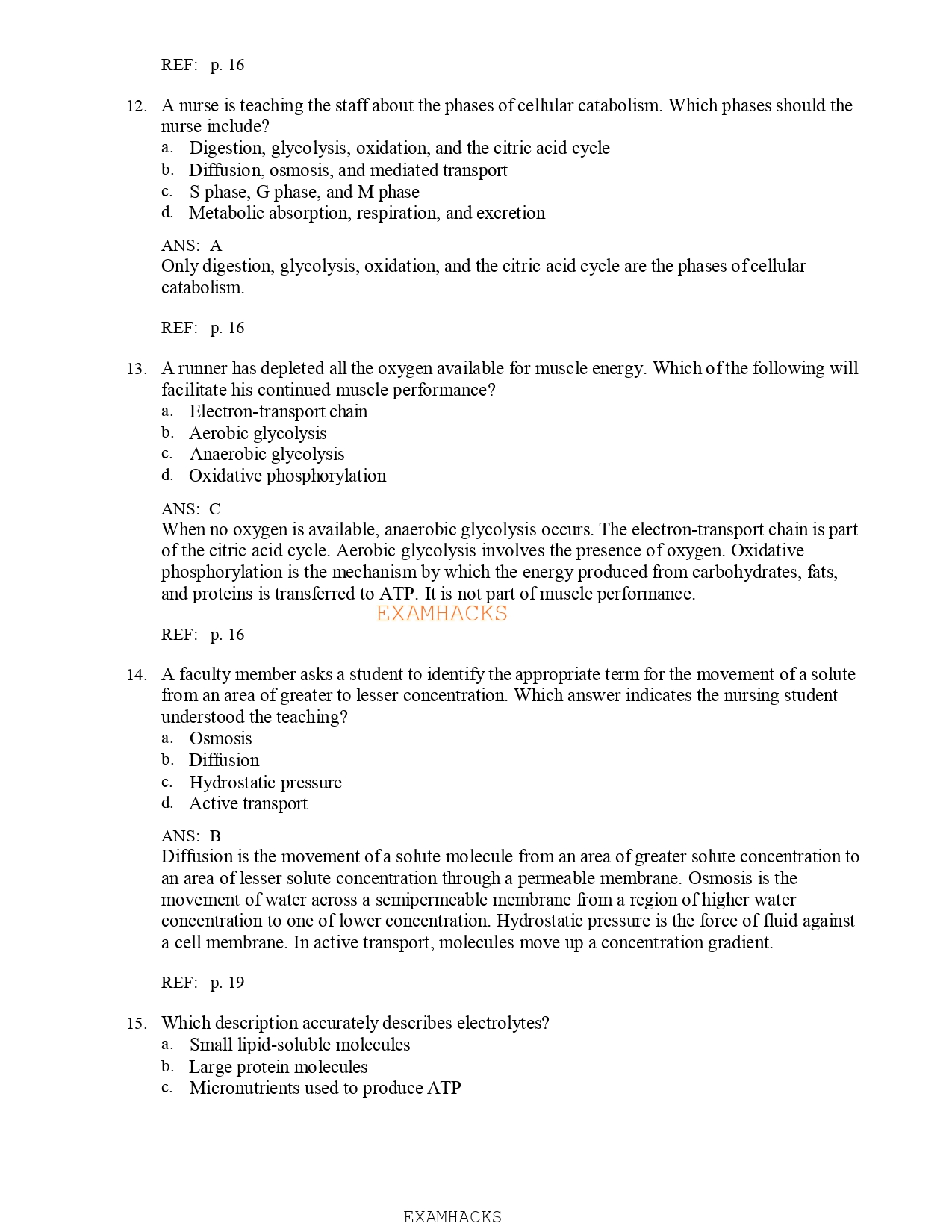
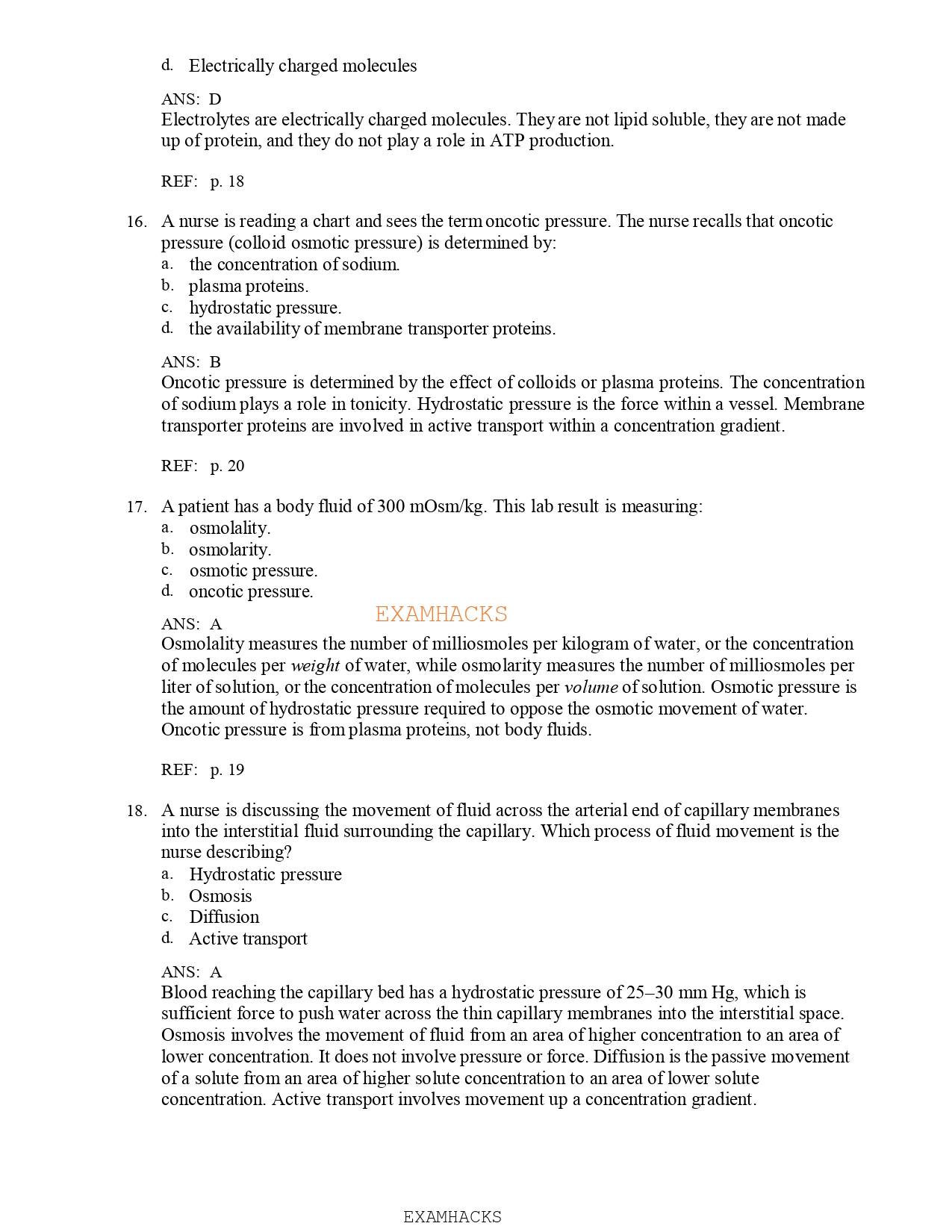
Master Disease Mechanisms for Superior Clinical Practice
Pathophysiology forms the foundation of clinical nursing practice. Understanding how disease processes develop at the cellular level transforms you from task-oriented nurse to thinking clinician.
This test bank accompanies Understanding Pathophysiology 8th Edition by Huether, McCance, and Brashers. It provides comprehensive practice that builds deep understanding of disease mechanisms essential for safe, effective nursing care.
Stop memorizing symptoms without understanding causes. Start building the pathophysiological knowledge that creates exceptional nursing practice.
Built for Comprehensive Nursing Education
Pathophysiology proves challenging for nursing students at every level. Complex cellular mechanisms, unfamiliar terminology, and enormous content volume overwhelm many students.
This test bank breaks complexity into manageable components. Questions build systematically from cellular foundations to complex multi-system disorders.
You’ll develop the pathophysiological understanding that guides clinical assessment, intervention, and patient education throughout your nursing career.
Essential Features for Pathophysiology Success:
- Complete body system coverage
- Cellular to systems-level integration
- Clinical manifestation connections
- Lifespan pathophysiology considerations
- Disease process progression understanding
- Diagnostic test interpretation
- Treatment rationale comprehension
- Questions supporting BSN and ADN programs
- NCLEX preparation alignment
Why Pathophysiology Understanding Matters
Knowing disease symptoms isn’t enough for competent nursing practice. Understanding why symptoms occur enables you to anticipate complications, recognize deterioration early, and explain conditions to patients effectively.
These questions develop that deeper understanding. You’ll explain how cellular dysfunction produces observable symptoms. You’ll predict disease progression based on underlying mechanisms. You’ll understand why specific treatments target particular pathophysiological processes.
This depth transforms you from symptom manager to expert clinician.
Complete Pathophysiology Content Coverage
This test bank addresses all major disease processes across body systems. From basic cellular injury to complex multi-organ dysfunction, you’ll find thorough coverage.
The comprehensive approach ensures no gaps in your pathophysiological knowledge base.
Major Pathophysiology Topics:
- Cellular biology and injury mechanisms
- Genetics and genomics in disease
- Innate and adaptive immunity
- Inflammation and healing processes
- Stress and disease relationships
- Fluid and electrolyte imbalances
- Acid-base disorders
- Cardiovascular pathophysiology
- Pulmonary disease processes
- Renal and urinary disorders
- Neurological pathology
- Endocrine dysfunction
- Gastrointestinal diseases
- Musculoskeletal disorders
- Hematological conditions
- Cancer biology and progression
- Infection and immunity disorders
Cellular and Molecular Foundation
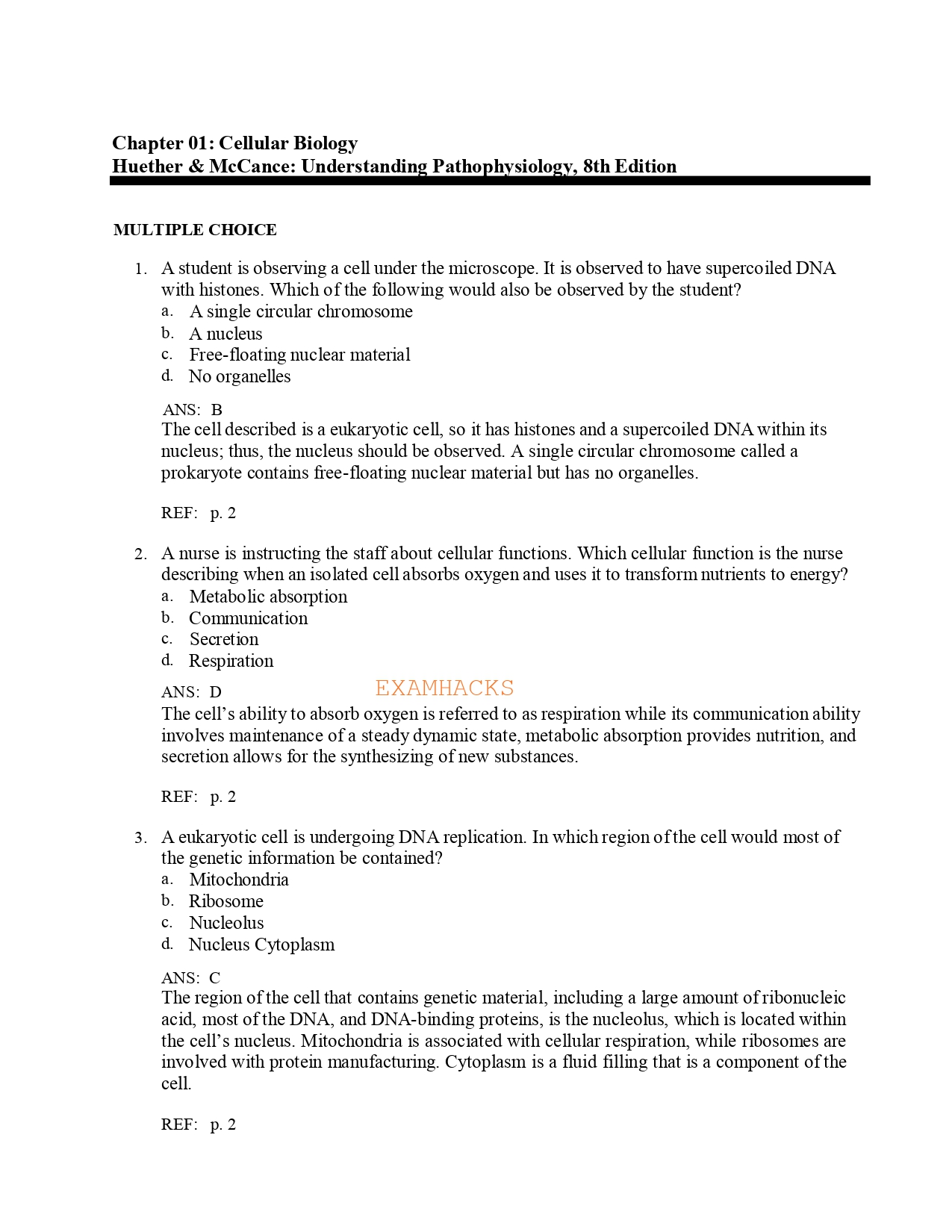
Understanding cellular function and dysfunction provides the foundation for all pathophysiology. Disruption at the cellular level manifests as system-level disease.
Questions establish this essential foundation. You’ll understand cellular adaptation mechanisms. You’ll recognize how cellular injury produces tissue damage. You’ll connect molecular changes to observable disease manifestations.
This foundational knowledge supports understanding of all disease processes.
Connect Pathophysiology to Clinical Manifestations
Abstract pathophysiology becomes meaningful when connected to patient assessment findings. Understanding why symptoms occur enables better clinical recognition and interpretation.
These questions consistently link mechanisms to manifestations. You’ll understand why heart failure causes peripheral edema. You’ll explain how diabetes produces characteristic symptoms. You’ll connect pathophysiology to assessment findings systematically.
This connection makes pathophysiology immediately clinically relevant.
NCLEX Preparation Through Understanding
NCLEX tests pathophysiological understanding extensively. Questions require explaining why symptoms occur and predicting complications based on disease processes.
This test bank prepares you for NCLEX pathophysiology expectations. Question formats match NCLEX styles. Content emphasis mirrors examination priorities.
Students report that strong pathophysiology knowledge significantly improved their NCLEX performance across all client needs categories.
Lifespan Pathophysiology Considerations
Disease processes vary across the lifespan. Pediatric pathophysiology differs from adult manifestations. Geriatric patients present atypically.
Questions incorporate lifespan considerations throughout. You’ll understand age-specific disease presentations. You’ll recognize developmental factors affecting pathophysiology. You’ll apply knowledge across all age groups.
This lifespan integration prepares you for diverse patient populations.
Genetic and Genomic Foundations
Genetics increasingly influences disease understanding and treatment. Genomic knowledge proves essential for contemporary nursing practice.
These questions develop genetic literacy. You’ll understand inheritance patterns. You’ll recognize genetic contributions to common diseases. You’ll comprehend how genetic testing guides treatment decisions.
This genetic foundation prepares you for precision medicine nursing.
Immune System and Inflammation
Immune dysfunction underlies countless diseases from autoimmune conditions to immunodeficiency. Understanding immune mechanisms proves essential across specialties.
Questions address immune pathophysiology thoroughly. You’ll understand innate versus adaptive immunity. You’ll explain inflammatory cascades. You’ll recognize immune-mediated disease processes.
This immune knowledge applies across virtually all body systems.
Fluid, Electrolyte, and Acid-Base Balance
Fluid and electrolyte imbalances complicate most serious illnesses. Understanding these disturbances enables recognition and appropriate intervention.
Extensive questions ensure this critical knowledge. You’ll understand osmosis and fluid shifts. You’ll interpret electrolyte imbalances. You’ll analyze acid-base disorders systematically.
This foundational knowledge proves essential for critical care and medical-surgical nursing.
Cardiovascular Pathophysiology
Cardiac disease remains the leading cause of death. Understanding cardiovascular pathophysiology proves essential regardless of nursing specialty.
These questions develop comprehensive cardiac knowledge. You’ll understand atherosclerosis development. You’ll explain heart failure pathophysiology. You’ll comprehend arrhythmia mechanisms.
This cardiovascular expertise supports competent nursing across settings.
Respiratory Pathophysiology
Respiratory compromise threatens life within minutes. Understanding pulmonary pathophysiology enables early recognition and appropriate intervention.
Questions address respiratory diseases thoroughly. You’ll understand gas exchange mechanisms. You’ll explain obstructive versus restrictive patterns. You’ll recognize respiratory failure progression.
This respiratory knowledge proves essential for safe nursing practice.
Neurological Pathophysiology
Neurological assessment challenges many nurses. Understanding brain and nervous system pathophysiology clarifies assessment findings and interventions.
These questions develop neurological expertise. You’ll understand stroke pathophysiology. You’ll explain increased intracranial pressure mechanisms. You’ll comprehend seizure disorders.
This neurological foundation supports confident assessment and intervention.
Endocrine Pathophysiology
Hormones regulate countless body functions. Endocrine disorders produce multisystem effects requiring comprehensive understanding.
Questions address endocrine pathophysiology extensively. You’ll understand diabetes mellitus mechanisms. You’ll explain thyroid disorder effects. You’ll comprehend hormone feedback systems.
This endocrine knowledge supports management of increasingly prevalent metabolic disorders.
Cancer Biology and Progression
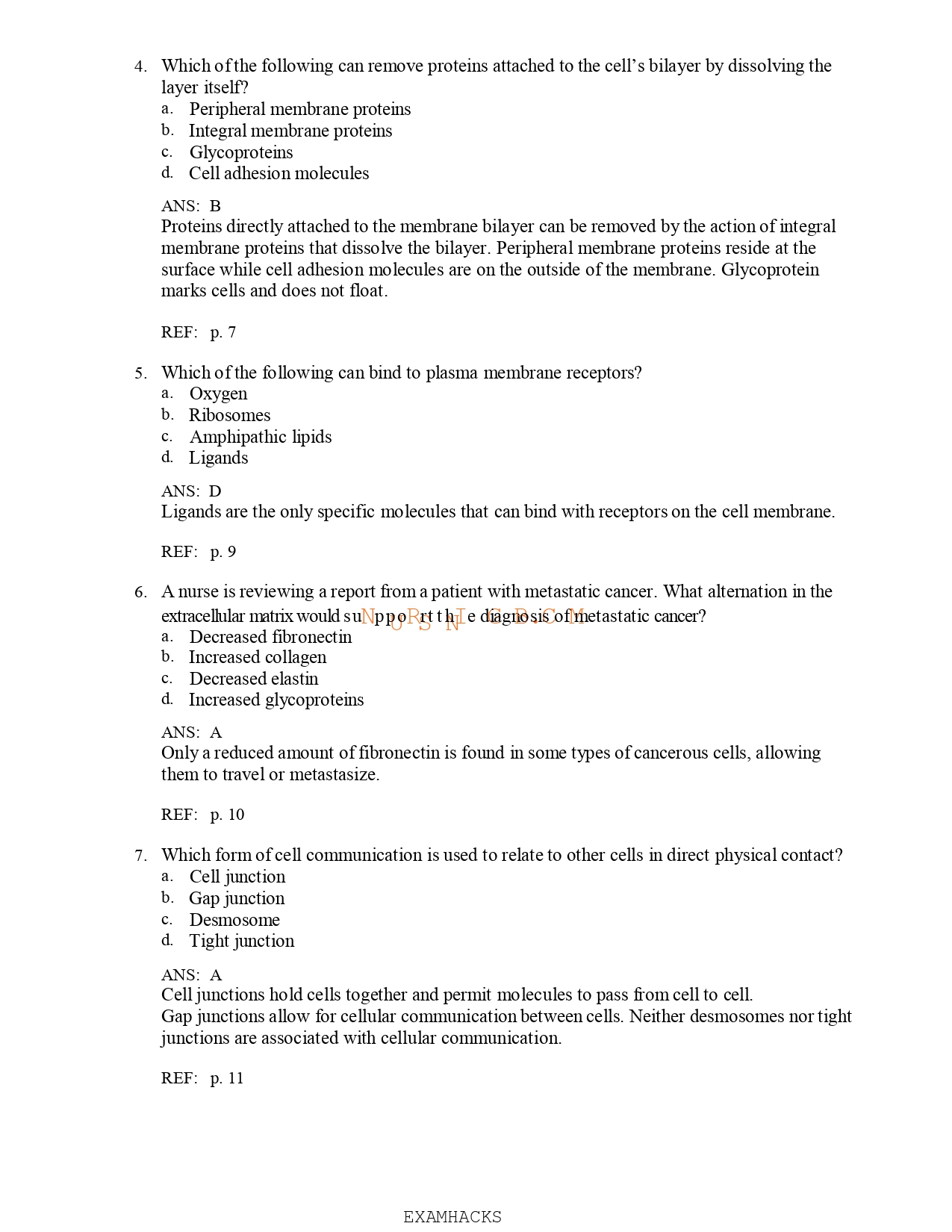
Cancer affects millions annually. Understanding carcinogenesis, metastasis, and treatment effects proves essential for oncology and general nursing.
These questions develop cancer biology understanding. You’ll understand tumor development stages. You’ll explain metastasis mechanisms. You’ll comprehend treatment rationales.
This oncology knowledge supports compassionate, informed cancer care.
Renal Pathophysiology
Kidneys regulate fluid balance, electrolytes, and waste elimination. Renal dysfunction complicates many conditions and requires specialized understanding.
Questions address renal pathophysiology comprehensively. You’ll understand acute kidney injury mechanisms. You’ll explain chronic kidney disease progression. You’ll comprehend dialysis rationales.
This renal knowledge supports complex patient management.
Gastrointestinal Pathophysiology
Digestive and hepatic disorders affect millions. Understanding GI pathophysiology supports assessment and patient education.
These questions develop GI expertise. You’ll understand inflammatory bowel disease mechanisms. You’ll explain liver disease progression. You’ll comprehend malabsorption disorders.
This GI knowledge supports comprehensive abdominal assessment and intervention.
Musculoskeletal Pathophysiology
Bone, joint, and muscle disorders affect mobility and quality of life. Understanding musculoskeletal pathophysiology supports rehabilitation nursing.
Questions address musculoskeletal diseases appropriately. You’ll understand fracture healing. You’ll explain arthritis mechanisms. You’ll comprehend osteoporosis development.
This musculoskeletal knowledge supports mobility restoration and fall prevention.
Hematological Pathophysiology
Blood disorders affect oxygen delivery, immunity, and coagulation. Understanding hematological pathophysiology proves essential for recognizing serious conditions.
These questions develop hematological expertise. You’ll understand anemia types. You’ll explain clotting disorders. You’ll comprehend leukemia and lymphoma basics.
This hematological knowledge supports early recognition of blood disorders.
Infection and Communicable Diseases
Infectious diseases remain significant health threats globally. Understanding pathogen characteristics and disease transmission guides infection prevention.
Questions address infectious disease pathophysiology. You’ll understand bacterial versus viral characteristics. You’ll explain antibiotic resistance mechanisms. You’ll comprehend emerging infectious diseases.
This infection knowledge supports public health and infection control nursing.
Pediatric Pathophysiology Differences
Children aren’t small adults pathophysiologically. Developmental factors significantly affect disease processes and presentations.
These questions address pediatric considerations. You’ll understand congenital disorders. You’ll recognize pediatric-specific diseases. You’ll comprehend developmental vulnerabilities.
This pediatric knowledge supports family and pediatric nursing specialties.
Geriatric Pathophysiology Considerations
Aging affects disease development, presentation, and treatment response. Understanding geriatric pathophysiology proves essential given aging populations.
Questions incorporate geriatric considerations. You’ll understand age-related changes. You’ll recognize atypical disease presentations. You’ll comprehend polypharmacy effects.
This geriatric knowledge supports competent care of older adults.
Study Efficiently for Demanding Courses
Pathophysiology courses present enormous content rapidly. Many students struggle connecting cellular mechanisms to clinical practice.
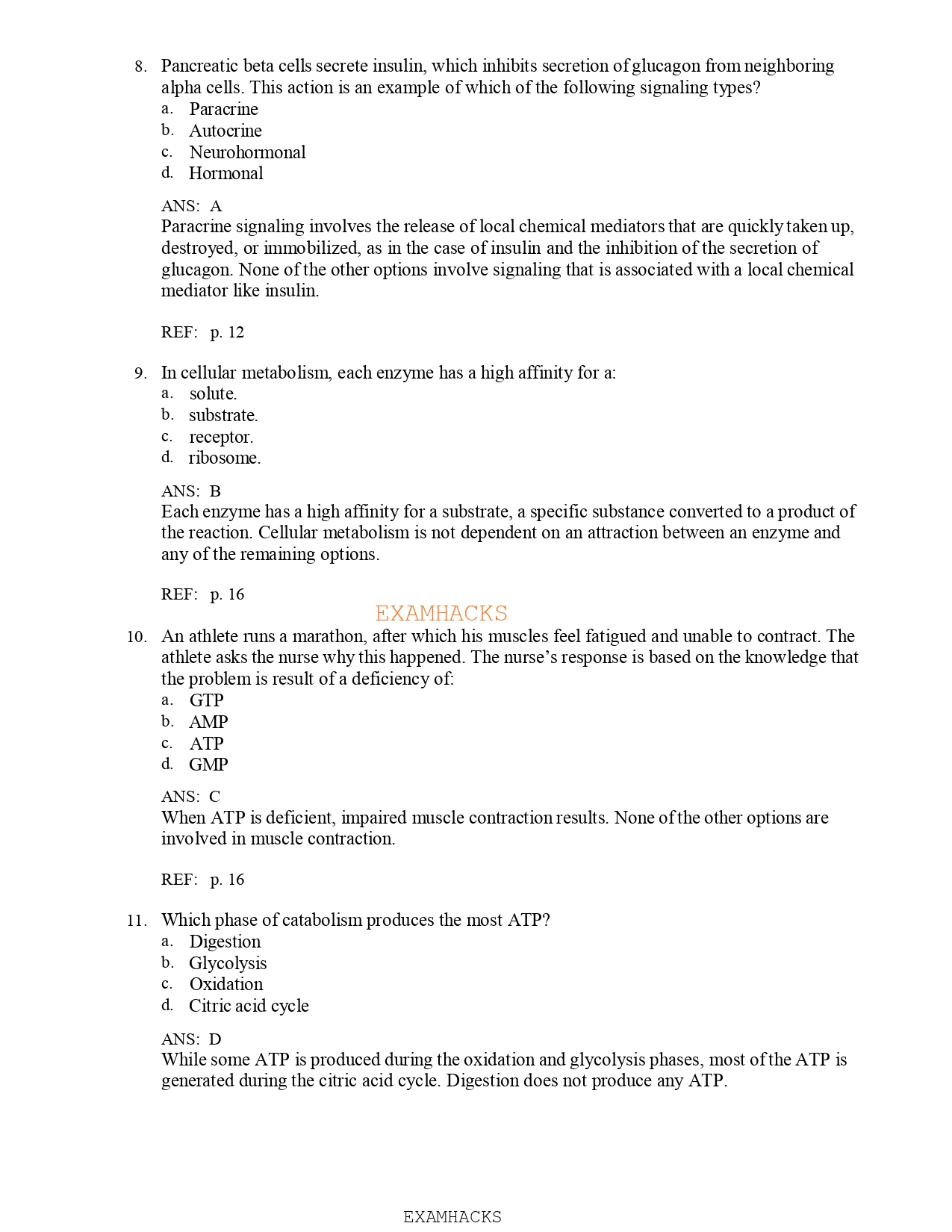
This test bank enables efficient, focused studying. Practice specific body systems before exams. Take comprehensive tests to identify weak areas. Review detailed rationales to understand mechanisms thoroughly.
The organization supports effective learning despite challenging content volume.
Diagnostic Test Interpretation
Understanding pathophysiology enables interpretation of laboratory and diagnostic test results. Knowing why values change clarifies their clinical significance.
Questions connect pathophysiology to diagnostics consistently. You’ll understand why specific tests detect particular diseases. You’ll interpret abnormal values based on underlying mechanisms. You’ll recognize which tests confirm suspected pathophysiology.
This integration supports comprehensive clinical reasoning.
Pharmacology Connection
Medications work by affecting specific pathophysiological processes. Understanding disease mechanisms clarifies why particular drugs treat specific conditions.
These questions link pathophysiology to pharmacology. You’ll understand drug action mechanisms. You’ll explain why certain drugs work for specific diseases. You’ll comprehend adverse effects based on pathophysiology.
This connection supports rational medication administration and education.
Build Progressive Understanding
Pathophysiology builds from cellular foundations to complex disorders. Early content establishes essential mechanisms. Later content applies basics to complicated diseases.
This test bank follows natural progression. Foundational questions ensure basic understanding. Advanced questions require integrating multiple pathophysiological concepts.
The graduated difficulty prevents overwhelming complexity while ensuring continuous growth.
Prepare for Advanced Nursing Courses
Pathophysiology knowledge supports every subsequent nursing course. Medical-surgical, critical care, and specialty courses assume solid pathophysiological understanding.
Extensive practice with this test bank creates the foundation needed for advanced coursework. You’ll understand disease mechanisms deeply enough to apply knowledge in complex clinical scenarios.
This foundation prevents struggling in later courses requiring pathophysiology application.
Connect to Patient Education
Understanding pathophysiology enables effective patient education. You can explain diseases in terms patients understand when you grasp underlying mechanisms.
Questions develop teaching applications. You’ll practice explaining complex processes simply. You’ll determine essential information patients need. You’ll recognize common misconceptions requiring correction.
This teaching skill improves patient outcomes and satisfaction.
Identify Knowledge Gaps Systematically
Wondering which body systems or disease processes need concentrated study? This test bank reveals weak areas immediately.
Organize practice by body system or disease category. Take diagnostic assessments before studying. Your performance shows exactly where focused effort provides maximum benefit.
This targeted approach maximizes study efficiency and knowledge retention.
Trusted Pathophysiology Expertise
Huether, McCance, and Brashers represent the pinnacle of pathophysiology education. Their textbook has educated countless nurses and remains the comprehensive standard.
This test bank maintains that educational excellence. Questions align perfectly with textbook content while demanding deep understanding.
The authors’ expertise ensures every question reflects current pathophysiological science and clinical relevance.
Your Investment in Clinical Excellence
Pathophysiology knowledge distinguishes competent nurses from exceptional clinicians throughout entire careers. This understanding guides every patient interaction and clinical decision.
This test bank represents a strategic investment in professional excellence. Students who build strong pathophysiological foundations consistently earn higher grades and provide superior patient care.
Don’t approach pathophysiology with dread. Start building systematic understanding today with questions designed to transform complex cellular mechanisms into applicable clinical knowledge.
Your future patients deserve nurses who understand disease processes deeply. This test bank helps you become that informed clinician who recognizes subtle changes, anticipates complications, and explains conditions confidently based on solid pathophysiological understanding.

Henry Wilcox –
It’s Up-to-date
Jennifer –
comprehensive and well-organized
Peterson S. –
Very good
Warren Brent –
This material helped me pass my finals. Thanks very much
Norah Helen –
Exactly what I needed as I prepare for my exam.
Lucille Maria –
Perfect!
Gerald N –
It is a searchable pdf and I can easily find exactly what I want when I want it.
Carol Kay –
A very helpful study resource
Rosemary R –
I like it
Caleb Martins –
This helped me nail my finals since a lot of questions were exact replicas
Winnie M. –
Extremely helpful as I prepare for my tests
Kamara Reid –
An excellent study guide
Liam Mbogo –
Accurate detailed answers
Lucas Gabriel –
Boosted my confidence before test day
Craig Bellamy –
Questions are clear and well-organized
Melania Angel –
Questions closely match what I encountered on exams
Chris martin –
Really helped reinforce important concepts
Kevin May –
Helped me understand complex topics
Leah Kiptum –
Easy to use and highly effective.
Theresa M. –
Exactly what I needed to nail my final pathos exam.