Develop the Clinical Judgment That Saves Lives
Clinical judgment separates adequate nurses from exceptional ones. The ability to recognize patterns, prioritize interventions, and make sound decisions under pressure determines patient outcomes every single shift.
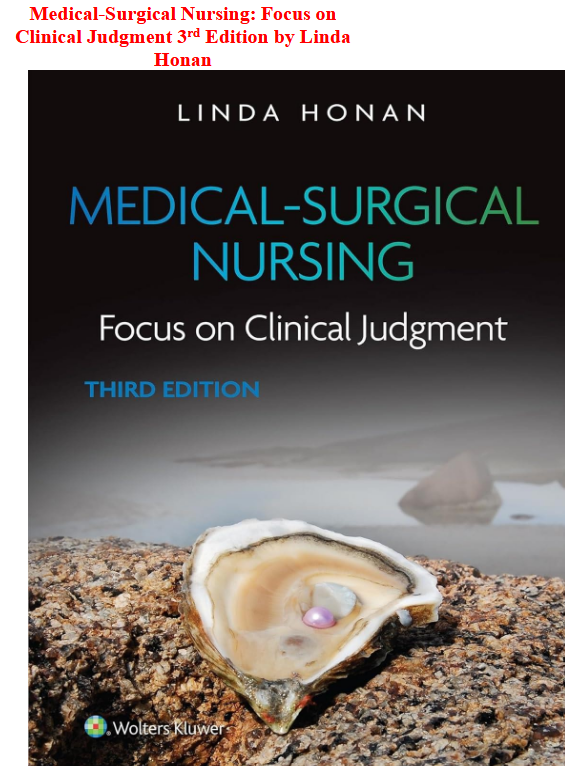
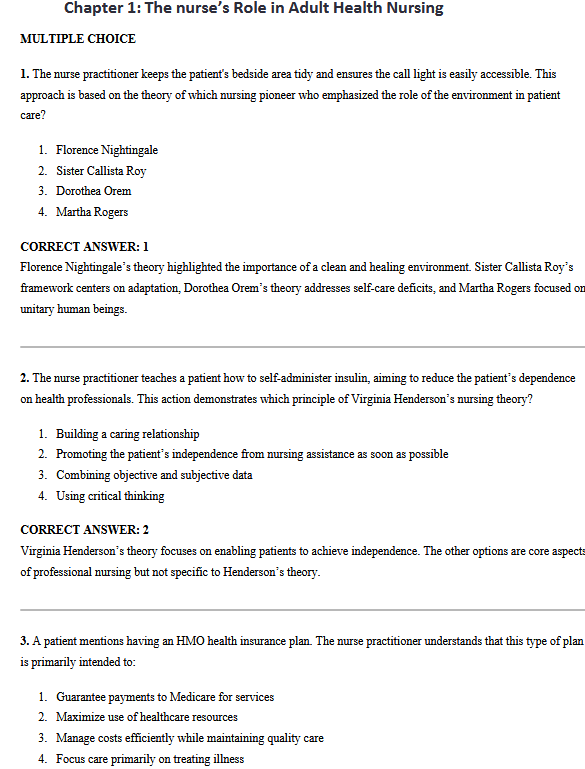
This test bank accompanies Medical-Surgical Nursing: Focus on Clinical Judgment 3rd Edition by Linda Honan. It provides intensive practice developing the clinical reasoning skills essential for safe medical-surgical nursing practice and NCLEX success.
Stop relying on memorization alone. Start building the clinical judgment framework that creates nursing excellence.
Built Around Clinical Judgment Development
The NCSBN Clinical Judgment Measurement Model revolutionizes how nursing competence is measured. Simply knowing facts isn’t enough anymore. You must recognize cues, analyze situations, prioritize hypotheses, generate solutions, take action, and evaluate outcomes.
This test bank focuses exclusively on developing these clinical judgment skills. Every question requires active thinking through the clinical judgment layers.
You’ll practice the systematic reasoning process nurses use when caring for actual patients in medical-surgical settings.
Core Features for Clinical Excellence:
- Clinical Judgment Measurement Model alignment
- NCLEX Next Generation question formats
- Case-based clinical scenarios throughout
- Cue recognition and analysis practice
- Prioritization and hypothesis generation
- Action planning and evaluation questions
- Unfolding case studies with progressive complexity
- Time-pressured decision-making scenarios
- Questions supporting all learning levels
Why Clinical Judgment Focus Matters
Traditional test banks ask what you know. This test bank challenges how you think. That difference proves crucial for both NCLEX and professional practice.
You’ll analyze complex patient situations systematically. You’ll determine which assessment findings matter most. You’ll generate appropriate nursing actions based on evidence and patient-specific factors.
The detailed rationales explain the clinical reasoning process, not just correct answers. This approach develops transferable thinking skills applicable to any patient scenario.
Complete Medical-Surgical Content Through Clinical Lens
This test bank addresses all major medical-surgical conditions through the clinical judgment framework. You won’t just learn about diseases—you’ll practice managing them.
Every body system receives thorough coverage with questions demanding clinical reasoning rather than simple recall.
Essential Medical-Surgical Topics:
- Cardiovascular emergencies and ongoing management
- Respiratory failure and ventilation support
- Neurological deterioration and stroke response
- Gastrointestinal bleeding and complications
- Acute kidney injury and chronic management
- Diabetic emergencies and glycemic control
- Hematological disorders and transfusions
- Orthopedic trauma and post-operative care
- Skin breakdown and wound healing
- Sepsis recognition and bundle implementation
- Cancer treatment complications
- Pain crisis and palliative care
- Electrolyte imbalances and corrections
NCLEX Next Generation Preparation
Next Generation NCLEX tests clinical judgment explicitly through innovative question types. Many nursing graduates report these new formats as particularly challenging.
This test bank prepares you thoroughly for NGN success. You’ll practice all six clinical judgment cognitive skills regularly through various item formats.
The bow-tie questions, enhanced hot spots, and matrix items become familiar rather than intimidating. You’ll walk into NCLEX confident in your clinical reasoning abilities.
Recognize and Analyze Cues Systematically
Clinical judgment begins with recognizing relevant cues in overwhelming amounts of patient data. What findings matter? What changes signal deterioration?
Extensive questions develop systematic cue recognition. You’ll practice identifying significant versus insignificant data. You’ll recognize patterns indicating specific conditions. You’ll determine which changes require immediate action.
This skill prevents overlooking critical information during actual patient care.
Prioritize Hypotheses Effectively
Rarely do patients present with single, obvious problems. You’ll generate multiple hypotheses about what’s happening, then prioritize which seems most likely or most dangerous.
These questions develop hypothesis prioritization systematically. You’ll practice differential reasoning. You’ll determine which condition explains the constellation of findings best. You’ll identify life-threatening possibilities requiring immediate consideration.
This prioritization proves essential for safe, effective nursing practice.
Generate Evidence-Based Solutions
Once you understand the patient’s condition, you must determine appropriate interventions. What actions address the problem? What sequence makes sense? What can wait?
Questions throughout challenge you to generate solutions independently. You’ll select interventions based on evidence and patient-specific factors. You’ll sequence actions logically. You’ll anticipate needed resources and support.
This solution generation mirrors independent nursing practice expectations.
Take Action and Evaluate Outcomes
Implementing interventions and evaluating their effectiveness completes the clinical judgment cycle. Did your actions work? What indicates improvement or deterioration?
These questions develop action and evaluation skills together. You’ll determine which interventions to implement first. You’ll recognize signs of effective versus ineffective treatment. You’ll modify care plans based on patient response.
This complete cycle prepares you for autonomous nursing practice.
Unfolding Case Studies Build Expertise
Real nursing involves caring for patients over time. Conditions change. New information emerges. Initial interventions succeed or fail.
Unfolding case studies throughout this test bank mirror that reality. You’ll follow patients through admission, treatment, complications, and discharge. Each question builds on previous information, requiring progressive clinical reasoning.
This format develops the sustained clinical judgment needed during actual shifts.
Time-Critical Decision Making
Medical-surgical emergencies demand rapid, accurate decisions. You can’t deliberate endlessly when patients deteriorate.
Questions incorporate time pressure appropriately. You’ll practice recognizing situations requiring immediate action. You’ll determine what must happen first when multiple interventions seem necessary. You’ll develop the decisive thinking required during emergencies.
This preparation ensures you respond effectively during critical moments.
Delegation Within Clinical Context
Delegating appropriately requires clinical judgment about patient acuity, task complexity, and personnel competence. Safe delegation isn’t rule memorization—it’s situation-specific reasoning.
Delegation questions require analyzing complete clinical situations. You’ll consider patient stability, task predictability, and staff capabilities simultaneously. You’ll make context-specific delegation decisions rather than applying rigid rules.
This contextual approach creates safer, more effective delegation practices.
Communication and Collaboration Skills
Clinical judgment extends beyond individual reasoning. You must communicate findings effectively and collaborate with healthcare teams.
Questions address therapeutic communication and collaboration throughout. You’ll practice reporting critical changes concisely. You’ll determine when physician notification becomes necessary. You’ll coordinate care across multiple providers.
These interpersonal skills prove as essential as clinical knowledge.
Patient-Centered Care Integration
Clinical judgment must consider patient preferences, values, and individual circumstances. Evidence-based care adapts to patient-specific factors.
Questions incorporate patient-centered considerations consistently. You’ll modify standard interventions for individual situations. You’ll balance medical recommendations with patient wishes. You’ll involve patients and families in care decisions.
This patient-centeredness creates compassionate, individualized nursing care.
Error Prevention and Safety Culture
Clinical judgment includes recognizing potential errors before they occur. Proactive thinking prevents adverse events.
These questions develop safety-focused reasoning. You’ll identify error-prone situations. You’ll implement safety checks and verification processes. You’ll recognize near-misses and participate in prevention strategies.
This vigilance creates safer healthcare environments.
Study Efficiently With Focused Practice
Clinical judgment develops through repeated, deliberate practice rather than passive reading. This test bank provides that essential practice opportunity.
Take case-based practice regularly rather than marathon sessions. Analyze your reasoning process, not just whether answers were correct. Review rationales to understand expert clinical thinking.
The format supports active learning that builds genuine expertise efficiently.
Progress From Novice to Competent Reasoning
Beginning nursing students think differently than experienced nurses. Clinical judgment develops progressively through education and practice.
This test bank supports that developmental progression. Early questions scaffold clinical reasoning with more structure. Advanced questions require independent analysis with less guidance.
The graduated complexity builds confidence while ensuring continuous growth toward expert-level thinking.
Prepare for Complex Clinical Rotations
Medical-surgical clinical rotations demand independent thinking rapidly. Preceptors expect students to recognize changes, analyze situations, and suggest interventions autonomously.
Extensive practice with this test bank prepares you thoroughly. You’ve mentally worked through hundreds of clinical scenarios requiring active reasoning. You understand the systematic thinking process nurses use constantly.
Clinical instructors recognize students with strong clinical judgment immediately. Your reasoning skills translate to superior clinical performance and more meaningful learning experiences.
Self-Assessment and Gap Identification
Understanding your clinical judgment strengths and weaknesses guides focused improvement. This test bank reveals reasoning gaps clearly.
Track performance across different clinical judgment skills. Are you strong at cue recognition but weaker at hypothesis prioritization? Excellent at generating solutions but uncertain about evaluation?
This awareness enables targeted practice on specific reasoning components needing development.
Bridge Classroom and Bedside Thinking
Classroom learning sometimes feels disconnected from clinical reasoning demands. This test bank eliminates that disconnect completely.
Every question presents authentic patient scenarios requiring practical nursing judgment. You’ll apply pathophysiology knowledge to clinical decisions. You’ll connect assessment findings to appropriate interventions.
This integration makes learning relevant and prepares you for actual practice realities.
Multi-System Complexity Management
Real medical-surgical patients rarely have isolated single-system problems. Comorbidities complicate assessment, intervention, and evaluation constantly.
Questions integrate multiple conditions and systems realistically. You’ll manage diabetic patients with wound infections and kidney disease. You’ll care for cardiac patients with respiratory complications. You’ll prioritize interventions when several systems require attention.
This complexity mirrors actual medical-surgical nursing practice demands.
Cultural Humility in Clinical Decisions
Clinical judgment must incorporate cultural awareness and health equity considerations. Patient backgrounds significantly affect care preferences and outcomes.
Questions include cultural factors requiring thoughtful consideration. You’ll practice culturally responsive communication. You’ll recognize how culture influences health decisions. You’ll adapt interventions respectfully.
This cultural competence creates more effective, equitable nursing care.
Technology-Enhanced Clinical Reasoning
Modern medical-surgical nursing involves interpreting data from monitoring equipment, electronic records, and diagnostic technologies. Clinical judgment increasingly means analyzing technology-generated information.
Questions incorporate technology appropriately. You’ll interpret monitor data patterns. You’ll recognize alarm significance. You’ll synthesize information from multiple technological sources.
This technological literacy prepares you for contemporary healthcare environments.
Trusted Clinical Judgment Expertise
Linda Honan specializes in clinical judgment development for nursing students. Her focused approach has helped thousands of nurses develop the reasoning skills essential for safe practice.
This test bank maintains that specialized expertise. Questions consistently demand active clinical thinking rather than passive recall.
The author’s dedication to clinical judgment education ensures every question develops transferable reasoning abilities.
Your Investment in Clinical Excellence
Clinical judgment separates competent nurses from exceptional ones. This test bank represents a strategic investment in developing the thinking skills that define professional nursing excellence.
Students who practice clinical judgment systematically through case-based scenarios consistently earn higher grades, pass NCLEX successfully, and transition to practice more smoothly.
Don’t rely on memorization alone. Start building systematic clinical judgment today with questions designed specifically to develop the reasoning skills essential for safe, effective medical-surgical nursing practice.
Your future patients deserve a nurse who thinks critically, reasons systematically, and makes sound clinical judgments under pressure. This test bank helps you become that exceptional practitioner who provides safe, patient-centered care through expert clinical reasoning.

Alisha M. –
The class has been hell, but this test bank is carrying me through.
Anna W. –
Thanks a lot for making this gem available at a throwaway price.