Let’s Be Honest About Nursing School
Fundamentals of Nursing is where everything begins. It is the course that teaches you how to think like a nurse. And it is also the course where many students first feel the pressure of just how much there is to learn.
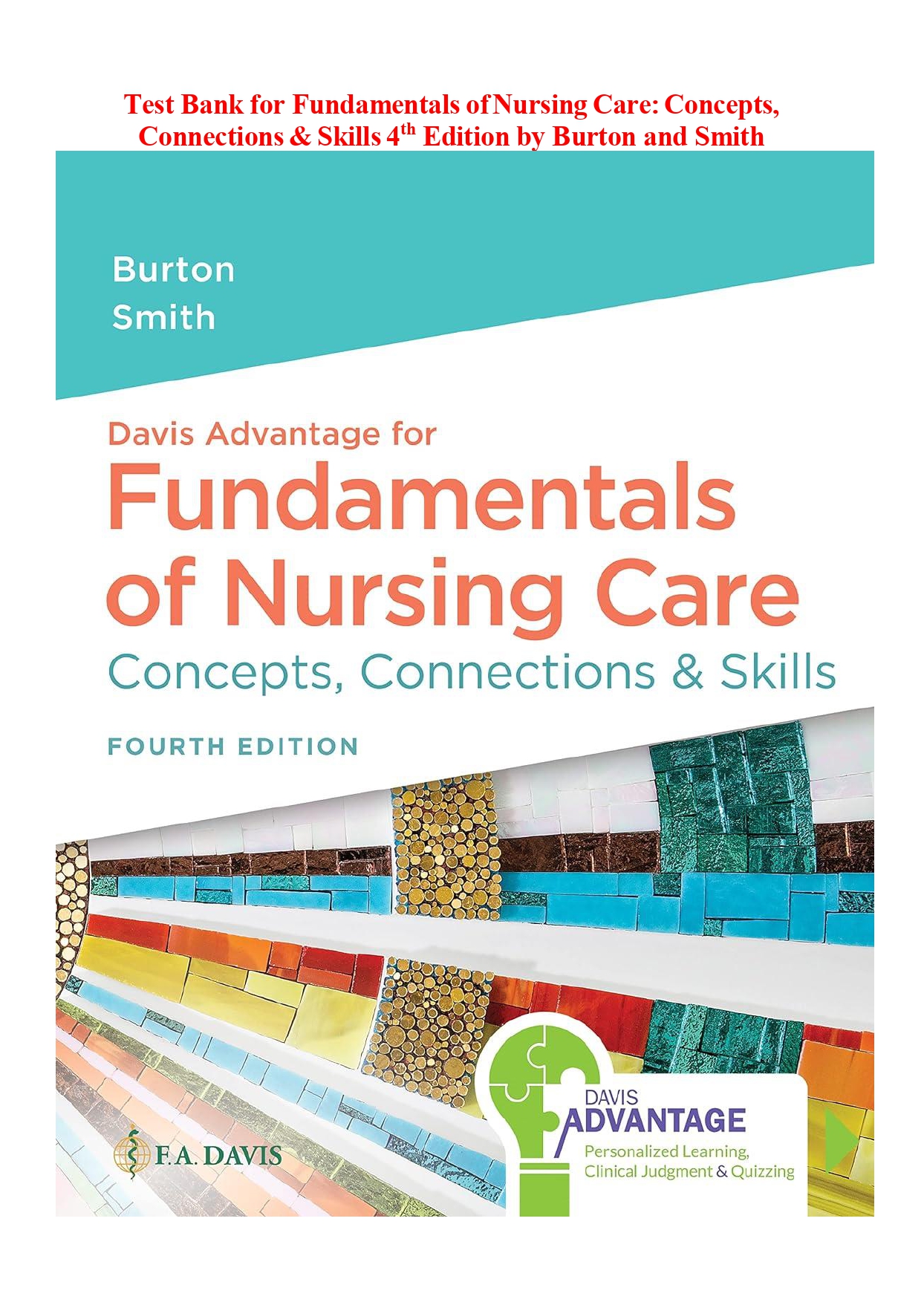
Burton and Smith’s Davis Advantage for Fundamentals of Nursing Care is one of the most practical, skills-focused textbooks used in nursing programs today. It connects concepts to real clinical skills in a way that makes sense. But knowing the content and being tested on it are two very different things.
That is exactly the gap this test bank fills.
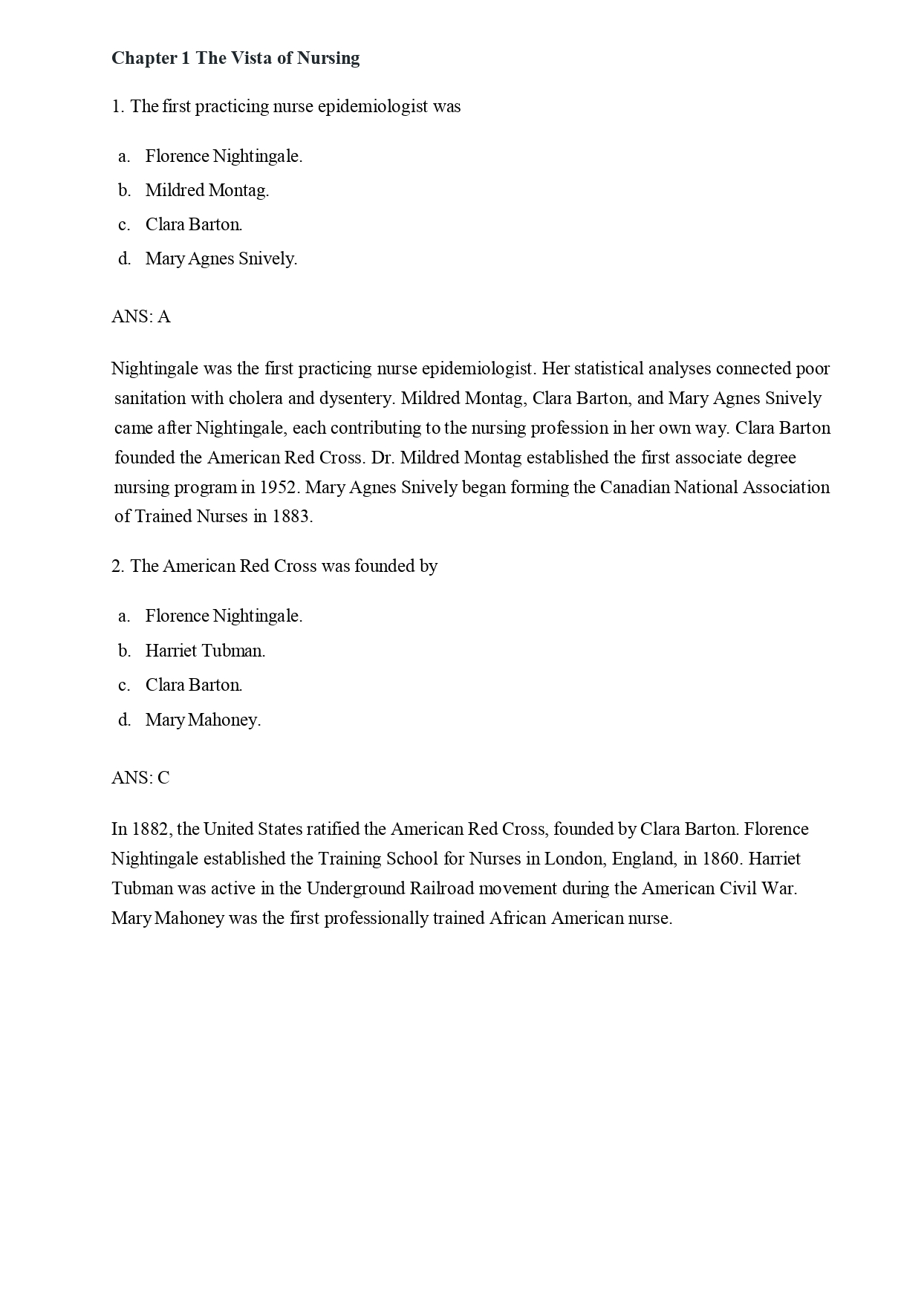
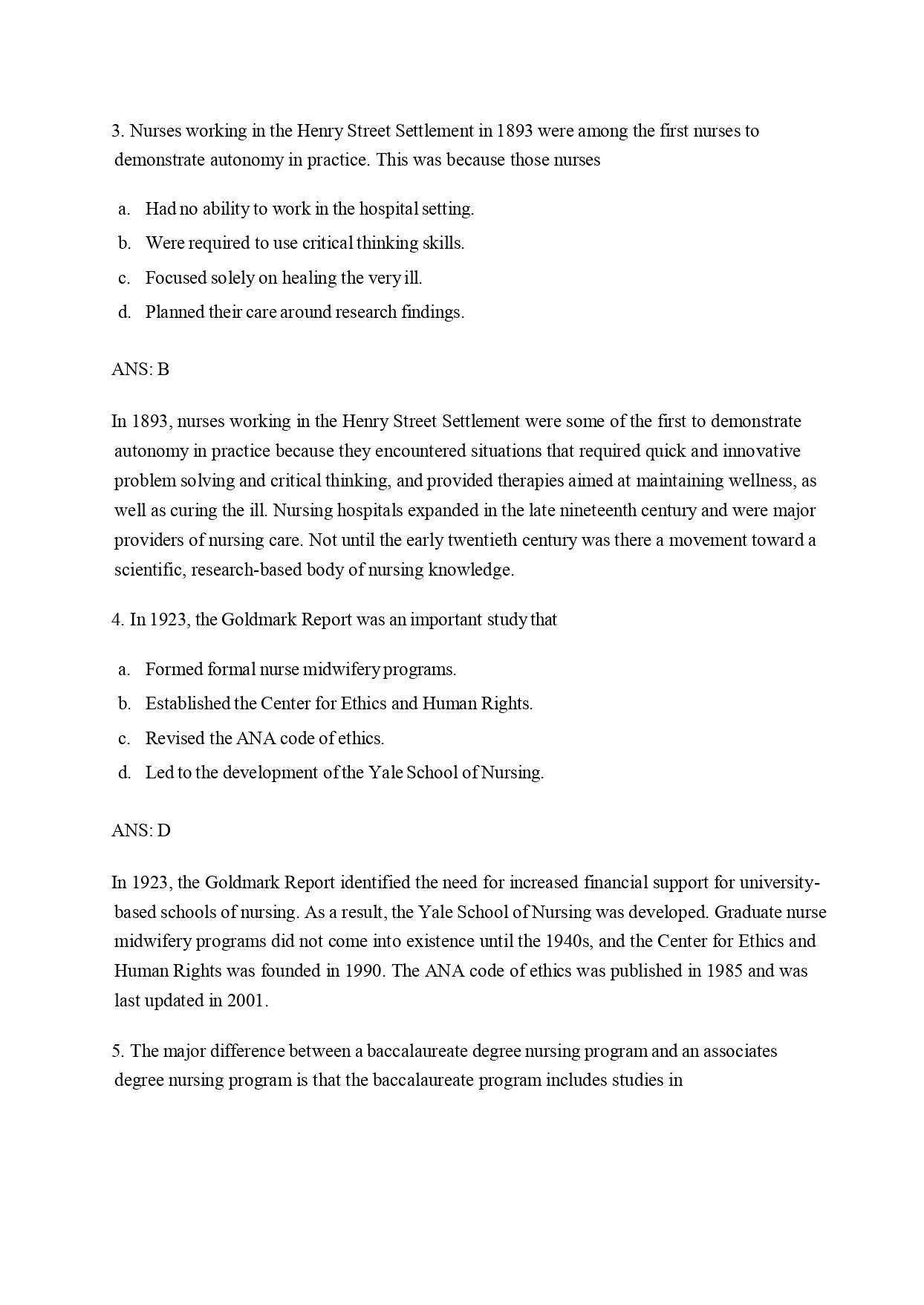
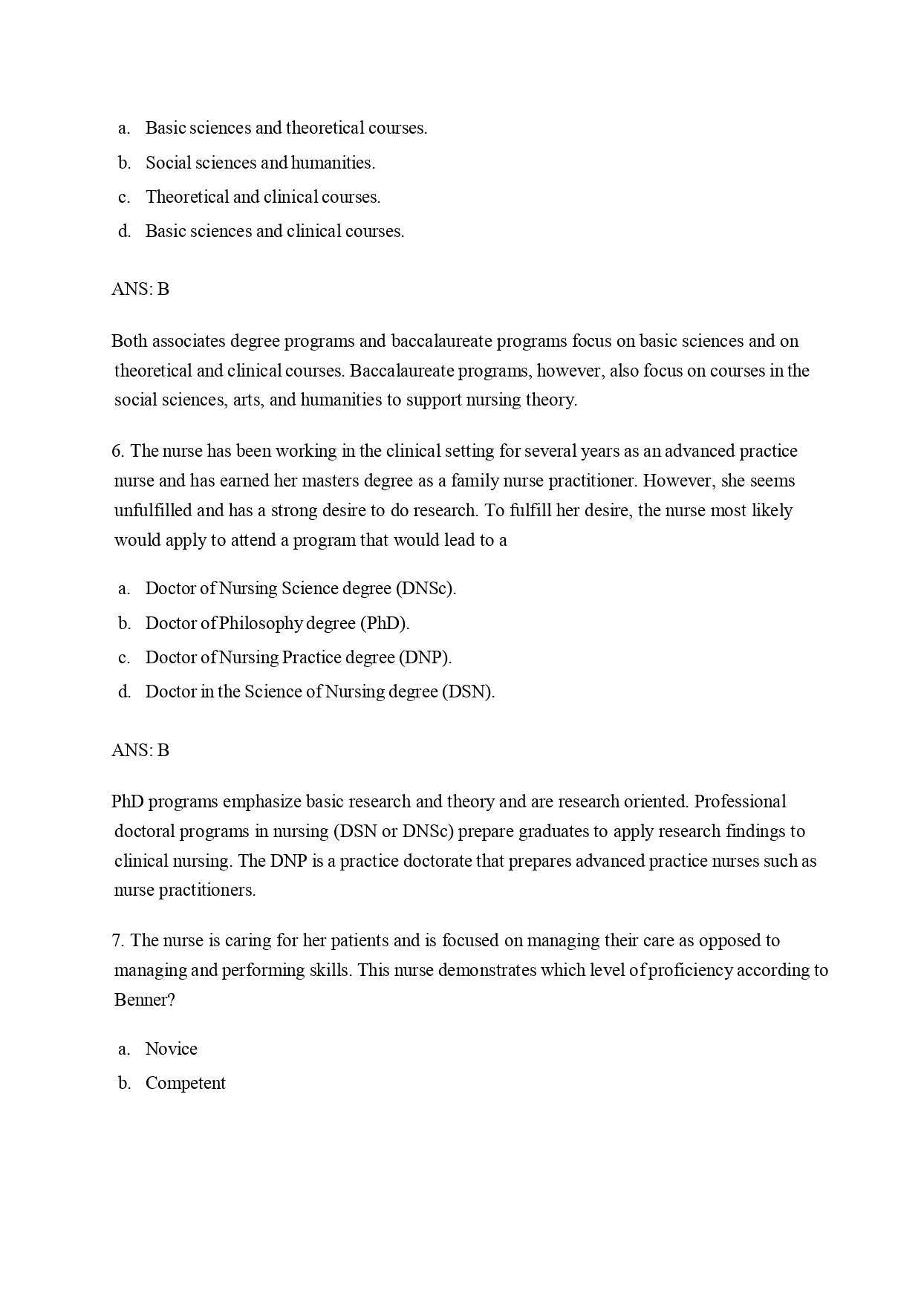
This is not a study guide. It is not a summary. It is a full bank of exam-quality questions that train you to think under pressure, apply what you know, and answer the way nursing boards expect you to answer.
The Honest Value Proposition
Here is what you are really getting:
Time back. Instead of turning every chapter into handwritten notes, you test yourself directly. Wrong answer? The rationale tells you exactly what you missed and why it matters.
Exam confidence. The questions are written to match the difficulty and format of what you will face in class and on the NCLEX-RN.
Clarity on tricky concepts. Fundamentals has a lot of moving parts — sterile technique, the nursing process, medication safety, wound care. These questions isolate those concepts and make sure you truly understand them.
A resource that pays off. Use it consistently from week one and you will not be cramming the night before your final.
What You Get
- Hundreds of multiple-choice questions organized chapter by chapter
- NCLEX-style formatting throughout — no surprises on exam day
- Every question paired with a correct answer and a detailed rationale
- Questions covering three cognitive levels — knowledge, application, and analysis
- Full alignment with the 4th edition content — no outdated or mismatched material
- Compatible with any study method — solo, group, timed practice, or chapter review
Every Major Topic. Every Chapter.
This test bank leaves nothing out. Here is a snapshot of what is covered:
Core Foundations
- Nursing history, roles, and professional identity
- The nursing process from assessment through evaluation
- Critical thinking and clinical judgment in nursing
- Legal responsibilities and ethical decision making
- Communication, documentation, and informatics
Patient Safety and Infection Control
- Standard and transmission-based precautions
- Hand hygiene and sterile technique
- Medication safety and the rights of medication administration
- Fall prevention and environmental safety
- Restraint use and patient advocacy
Assessment and Monitoring
- Vital signs — temperature, pulse, respirations, blood pressure, oxygen saturation
- Head-to-toe physical assessment
- Pain assessment tools and scales
- Neurological and cardiovascular assessment basics
Clinical Skills
- Wound care and dressing changes
- Catheter insertion and urinary care
- Nasogastric tube insertion and enteral nutrition
- IV access and fluid administration
- Specimen collection and diagnostic preparation
Body Systems and Patient Needs
- Nutrition, hydration, and fluid and electrolyte balance
- Oxygenation and respiratory support
- Mobility, positioning, and range of motion
- Skin integrity and pressure injury prevention
- Bowel and urinary elimination
- Sleep, hygiene, and comfort care
Across the Lifespan
- Growth and development from infancy through older adulthood
- Health promotion and disease prevention
- Cultural humility and person-centered care
- Grief, loss, and end-of-life nursing care
Who Gets the Most Out of This
This test bank works best for students and educators who are done with passive studying. If you are ready to actively test your knowledge, this is the tool for you.
It is perfect for you if:
You are currently taking fundamentals and want to stay ahead of your exams. You are using Burton and Smith’s 4th Edition as your primary textbook. You learn best by doing — practicing questions rather than re-reading. You are preparing for the NCLEX-RN and want to strengthen your foundational knowledge. You are a nursing instructor who wants exam-ready questions without building them from scratch.
It may not be the right fit if:
You are looking for a textbook, a summary sheet, or a replacement for attending class. This test bank is a practice tool. It works best when used alongside your course.
10 Sample Questions
Try these before you buy. These are real examples of what is inside.
Question 1
A nursing student is preparing to perform a sterile dressing change. After opening the sterile field, the student reaches across it to place gauze on the far side. What should happen next?
- A. Continue with the dressing change since the field is still intact
- B. Discard the sterile field and set up a new one
- C. Use the gauze quickly before contamination can occur
- D. Ask another nurse to inspect the field before continuing
Correct Answer: B Rationale: Reaching across a sterile field contaminates it because the sleeve and arm pass over the sterile area. Even if nothing visible touches the field, the principle of sterile technique requires that any questionable action results in the field being discarded and replaced. When in doubt, throw it out is the guiding rule.
Question 2
A nurse is reviewing the five rights of medication administration before giving a drug to a patient. Which right is being verified when the nurse checks the medication against the order and the label three times?
- A. Right patient
- B. Right route
- C. Right drug
- D. Right time
Correct Answer: C Rationale: Checking the medication label three times — when retrieving it, when preparing it, and before administering it — verifies the right drug. This three-check process is a foundational medication safety practice designed to catch errors before they reach the patient.
Question 3
An older adult patient has been on bed rest for four days following surgery. Which complication is the nurse most concerned about preventing?
- A. Fluid overload from increased oral intake
- B. Deep vein thrombosis from venous stasis
- C. Hypoglycemia from reduced caloric intake
- D. Skin breakdown from frequent repositioning
Correct Answer: B Rationale: Prolonged immobility slows venous blood flow, particularly in the lower extremities, creating conditions where clots can form. Deep vein thrombosis is a serious and potentially fatal complication of bed rest. Prevention strategies include leg exercises, compression stockings, early ambulation, and anticoagulant therapy as ordered.
Question 4
A nurse is preparing to insert a urinary catheter in a female patient. After opening the sterile kit and draping the patient, the nurse accidentally touches the catheter tip to the bed sheet. What is the correct action?
- A. Wipe the tip with an alcohol swab and proceed carefully
- B. Insert the catheter quickly before further contamination occurs
- C. Obtain a new sterile catheter before continuing the procedure
- D. Ask the patient if they are allergic to latex before deciding
Correct Answer: C Rationale: A catheter tip that touches any non-sterile surface is contaminated and must not be inserted into the urinary tract. Doing so introduces bacteria and significantly increases the risk of a catheter-associated urinary tract infection. A new sterile catheter must be obtained and the procedure restarted.
Question 5
A nurse is assessing a patient’s wound and notes the drainage is thick, yellow, and has an odor. How should the nurse document this finding?
- A. Sanguineous drainage noted from wound site
- B. Serosanguineous drainage present, moderate amount
- C. Purulent drainage observed — yellow, thick, malodorous
- D. Serous drainage with slight discoloration at wound edges
Correct Answer: C Rationale: Thick, yellow, odorous drainage is classified as purulent and is a sign of infection. Accurate documentation using the correct terminology — purulent — alerts the care team to a potential complication requiring medical evaluation. Sanguineous refers to bloody drainage, serous to clear watery drainage, and serosanguineous to a mix of blood and serous fluid.
Question 6
A patient tells the nurse, “I have not had a bowel movement in five days and my stomach feels bloated.” Which nursing action is most appropriate first?
- A. Administer a laxative from the standing orders immediately
- B. Encourage the patient to increase fiber and fluid intake and reassess tomorrow
- C. Perform an abdominal assessment and review the patient’s bowel history
- D. Insert a rectal suppository to stimulate bowel movement
Correct Answer: C Rationale: Assessment always comes before intervention. The nurse must first assess the abdomen — bowel sounds, distension, tenderness — and gather a complete bowel history before selecting any intervention. Administering laxatives or suppositories without assessment could be unsafe if there is an underlying obstruction or other complication.
Question 7
Which action by a new nurse requires immediate correction by the charge nurse?
- A. Performing hand hygiene before and after patient contact
- B. Raising two side rails on a bed after positioning a patient
- C. Documenting care immediately after it is completed
- D. Recapping a used needle using the one-hand scoop technique
Correct Answer: D Rationale: Used needles must never be recapped, even with a one-hand technique, as this practice significantly increases the risk of needlestick injury. All used sharps must be disposed of immediately in a designated sharps container. This is a critical safety violation that requires immediate correction to protect both staff and patients.
Question 8
A patient is being discharged after a myocardial infarction and needs to learn how to monitor their pulse at home. Which teach-back response confirms that the patient has understood the instruction?
- A. “I will call the doctor if I feel anything unusual.”
- B. “I watched the video you gave me and it made sense.”
- C. “My pulse is the number of times my heart beats in one minute and I count it here on my wrist for 60 seconds.”
- D. “My wife is a nurse so she will help me at home.”
Correct Answer: C Rationale: Effective teach-back requires the patient to explain or demonstrate the concept in their own words or actions. This response shows the patient understands what a pulse is and how to measure it accurately. The other responses reflect passive acknowledgment or reliance on others — neither of which confirms the patient’s own understanding.
Question 9
A nurse is preparing to administer a subcutaneous injection of insulin. Which site is most appropriate for consistent absorption in a patient who self-injects daily?
- A. The same spot in the upper arm used during the last injection
- B. A new location within the abdomen, rotating sites systematically
- C. The thigh, as it provides the slowest and most consistent absorption
- D. Any site the patient finds most comfortable, without a rotation plan
Correct Answer: B Rationale: The abdomen provides the fastest and most predictable insulin absorption. Systematic site rotation within a region — rather than between regions — prevents lipohypertrophy, which impairs absorption over time. Injecting repeatedly into the same spot causes tissue changes that alter insulin uptake and blood glucose control.
Question 10
A nurse walks into a patient’s room and finds the patient slumped in the chair and unresponsive. After calling for help, what is the nurse’s next action?
- A. Begin chest compressions immediately
- B. Check for a pulse and assess for normal breathing
- C. Retrieve the crash cart from the hallway
- D. Review the patient’s code status in the chart
Correct Answer: B Rationale: After activating the emergency response system, the nurse must assess the patient for a pulse and normal breathing before initiating CPR. Beginning compressions without confirming pulselessness could harm a patient who has a heartbeat. The assessment takes only a few seconds and determines the correct course of action.
Frequently Asked Questions (FAQs)
Is this the same test bank that comes from the publisher, F.A. Davis? No. This is an independently developed product. It is not affiliated with F.A. Davis Company or the textbook authors. It is a separate, supplementary study resource created to support students using the 4th edition.
I already have the textbook. Do I still need this? The textbook teaches you the content. This test bank teaches you to apply it under exam conditions. They serve different purposes and work best together. Most students find that practicing questions is where real learning and retention happen.
What formats will I receive? Both PDF and Word formats are included with your purchase. PDF is great for reading on any device. Word is useful if you want to copy questions into your own study documents or if you are an instructor building an exam.
How long does it take to get my file? Your download link goes to your email the moment your payment clears. No manual processing. No waiting around. You can be studying within minutes.
Is this test bank matched specifically to the 4th edition? Yes. The questions are written based on the content, chapter structure, and learning objectives of the 4th edition by Burton and Smith. If you are using a different edition, some questions may not align perfectly.
Will this help me prepare for the NCLEX-RN? It is one of the best foundational tools for NCLEX prep. Fundamentals content — safety, infection control, the nursing process, basic clinical skills — is tested heavily on the boards. These questions build the thinking skills and content knowledge you need.
My instructor says we should not use test banks. Should I still use this? That is a conversation to have with your instructor. Many educators support test banks as self-assessment tools. The goal of this product is to help you learn — not to help you cheat. Use it to identify gaps, understand rationales, and practice thinking critically.
What if I have a problem with my order? Message our support team directly. We respond quickly and we will make it right. Your experience with Nursing Exams Vault matters to us.

Jonny Wright –
An excellent test bank
Becky P –
accurate answers with clear rationales
Karen765 –
Perfect!
Gerald N –
Good
Thomas K. –
Exactly what I have been looking for