THIS IS NOT JUST MATERNAL CHILD NURSING. THIS IS CANADIAN MATERNAL CHILD NURSING.
And that distinction matters more than most students expect when they first open this textbook.
The clinical foundations are the same. Physiology does not change at the border. A placental abruption in Vancouver presents exactly the same way it does in Boston. A preterm infant in Calgary requires the same respiratory support as one in Chicago. Normal fetal heart rate patterns are normal fetal heart rate patterns regardless of which side of the 49th parallel the mother is laboring on.
But nursing practice is not just physiology. It is the framework within which clinical knowledge is applied — and that framework is shaped by healthcare systems, legislation, professional standards, cultural context, and social policy. In every one of those dimensions, Canadian maternal child nursing is its own distinct discipline.
Canada’s universal healthcare system shapes how care is accessed, delivered, and coordinated across the perinatal continuum. The Canadian Nurses Association standards and provincial regulatory frameworks define nursing practice and professional accountability differently than their American counterparts. The Truth and Reconciliation Commission’s Calls to Action and the ongoing work of addressing Indigenous health inequities are not peripheral considerations in Canadian perinatal care — they are central clinical and ethical obligations. Health Canada guidelines govern prenatal screening, immunization, and newborn care. Provincial midwifery integration models create collaborative practice structures that differ significantly from US maternity care delivery.
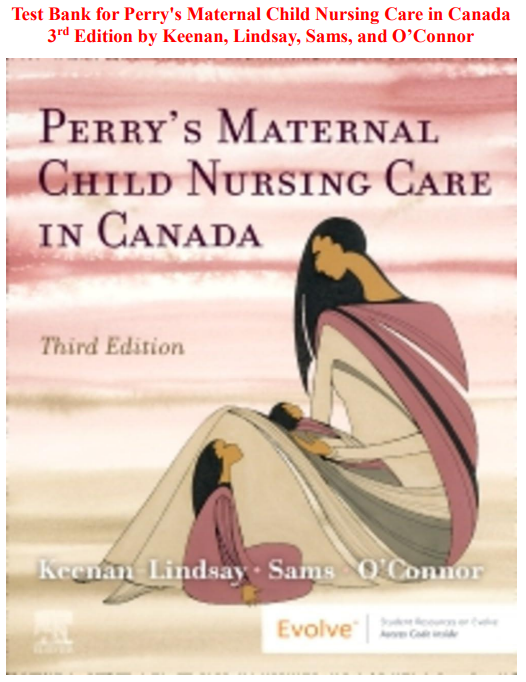
Perry’s Maternal Child Nursing Care in Canada, 3rd Edition by Keenan, Lindsay, Sams, and O’Connor was written for exactly this clinical and professional landscape. It is not an Americanized textbook with a Canadian flag on the cover. It is a genuinely Canadian text — built for Canadian nursing students, aligned to Canadian practice standards, and grounded in the Canadian healthcare experience from the first prenatal visit through the pediatric years.
This test bank was built for the same students, the same standards, and the same exams.
WHY CANADIAN MATERNAL CHILD NURSING EXAMS REQUIRE CANADIAN PREPARATION
Here is what happens when Canadian nursing students prepare for their maternal child exams using American study resources — and it happens more often than it should.
They learn the content. They understand labor and delivery. They know fetal heart rate patterns. They can describe the stages of postpartum recovery. They feel prepared.
Then they sit for an exam that references the Society of Obstetricians and Gynaecologists of Canada guidelines instead of ACOG. The exam asks about Perinatal Services BC protocols or Better Outcomes Registry and Network Ontario data. A scenario involves a midwife-led birth in a hospital setting with collaborative physician involvement — a care model that looks different from anything in an American textbook. A question references the Federal Indian Act and its historical impact on Indigenous birthing practices. A pediatric scenario involves immunization timing based on the National Advisory Committee on Immunization schedule, not the CDC.
The content knowledge the student built using American resources does not map cleanly onto those questions. Not because the student did not study hard. Because they studied the wrong country.
This test bank is built for Canadian students, with Canadian clinical contexts, Canadian guidelines, Canadian professional frameworks, and the Canadian cultural and social dimensions that Keenan, Lindsay, Sams, and O’Connor built into the 3rd edition.
It is the preparation Canadian nursing students actually need.
THE CLINICAL COMPLEXITY AT THE HEART OF THIS COURSE
Before you work through this test bank, understand what makes maternal child nursing examinations demanding in a way that is specific to this content area — and specific to the Canadian context.
You are always caring for more than one patient. The laboring mother and the fetus share your clinical attention simultaneously. The postpartum patient and the newborn are two separate assessments occurring concurrently. The pediatric patient and the family are both units of care. The ability to hold multiple clinical pictures at once — and to prioritize correctly when they conflict — is the central cognitive challenge of this specialty and the central target of its examinations.
Normal is the hardest thing to know. Pathology in maternal child nursing is recognized against a baseline of normal pregnancy adaptation, normal labor physiology, normal newborn transition, and normal child development. If you do not know what normal looks like in precise detail, you cannot recognize abnormal reliably. This test bank reinforces normal constantly — because normal is what every question is measured against.
The Canadian cultural mosaic shapes clinical practice. Canada’s diversity — Indigenous populations, newcomer and immigrant communities, francophone populations, rural and remote communities — creates a clinical landscape that requires genuine cultural humility, not performative acknowledgment. The 3rd edition engages this complexity directly. This test bank reflects it in the clinical scenarios.
Indigenous cultural safety is a clinical competency, not a policy statement. The Truth and Reconciliation Commission’s findings and the National Inquiry into Missing and Murdered Indigenous Women and Girls have fundamentally reframed how Canadian healthcare professionals are expected to engage with Indigenous patients and communities. For maternal child nurses working with Indigenous families, cultural safety is a clinical skill that affects patient outcomes. It is part of the 3rd edition and it is part of this test bank.
The scope of content is vast. From conception through adolescence, from uncomplicated pregnancy through the most complex obstetric emergencies, from the healthy newborn through the medically fragile NICU patient, Perry’s Canadian edition covers an enormous breadth of clinical territory. Navigating it systematically — chapter by chapter, concept by concept — is the only approach that produces the comprehensive mastery the course and the NCLEX-RN require.
📦 EVERYTHING INSIDE YOUR PURCHASE
Here is precisely what you receive:
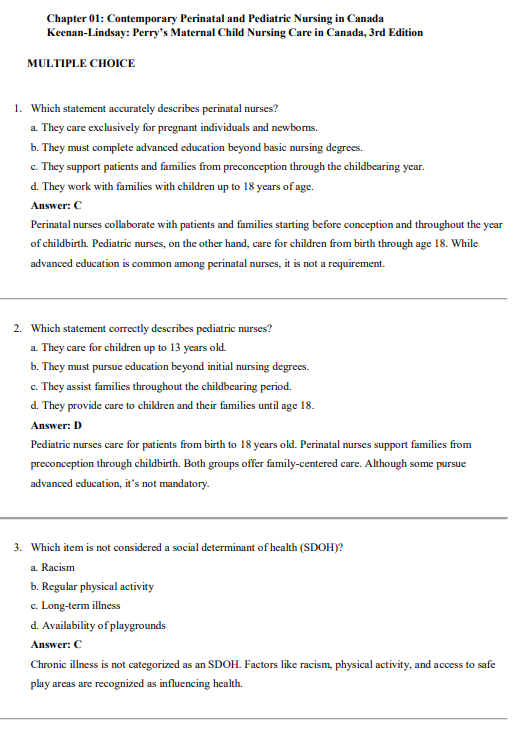
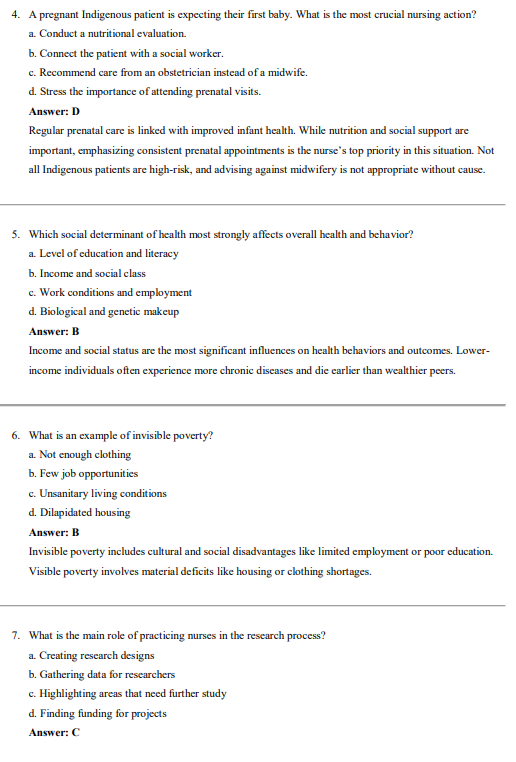
- A comprehensive bank of multiple-choice questions covering every unit and chapter of the 3rd Canadian edition
- Questions written to reflect NCLEX-RN format with Canadian clinical contexts, guidelines, and professional frameworks integrated throughout
- Every question paired with a clearly identified correct answer
- Detailed rationales explaining the clinical, physiological, cultural, and Canadian practice-specific reasoning behind each answer — including specific analysis of why wrong answers are clinically or contextually incorrect
- Questions spanning antepartum, intrapartum, postpartum, newborn, high-risk obstetrics, pediatric health promotion, and pediatric clinical conditions — all within the Canadian healthcare framework
- Both PDF and Word formats included for flexible, multi-device studying
- Content built specifically around the 3rd Canadian edition — not an American maternal child test bank with minor modifications
📚 COMPLETE CONTENT COVERAGE
Every unit. Every chapter. Every concept in the 3rd Canadian edition.
Unit 1 — Introduction to Maternal Child Nursing in Canada
- Philosophy and framework of family-centred maternal child nursing in the Canadian context
- The Canadian healthcare system — universal coverage, provincial and territorial variation, and implications for maternal child care
- Midwifery in Canada — provincial regulation, scope of practice, hospital-based and community-based midwifery models
- Collaborative care models — obstetricians, family physicians, midwives, and nurses in the Canadian perinatal team
- The Canadian Nurses Association and provincial nursing regulatory bodies — standards and professional accountability
- Evidence-based practice in Canadian maternal child nursing — SOGC guidelines, CPS statements, NACI schedules
- Health equity in Canadian maternal child nursing — social determinants, access disparities, and rural and remote care
- Indigenous health in Canada — historical context, the legacy of residential schools, intergenerational trauma, and its impact on maternal child health outcomes
- Cultural safety versus cultural competence — the Canadian framework
- Truth and Reconciliation in nursing practice — applying the Calls to Action to maternal child care
- LGBTQ2S+ families — inclusive language, affirming care, and Canadian legal context
- Legal and ethical frameworks in Canadian maternal child nursing — provincial legislation, consent, and professional accountability
Unit 2 — Reproductive Anatomy, Physiology, and Canadian Health Promotion
- Female and male reproductive anatomy and physiology — clinical review
- The menstrual cycle — hormonal control, phases, and nursing implications
- Contraception in Canada — available methods, Health Canada approval, and nursing counseling
- Emergency contraception — Canadian access, provincial dispensing regulations, and patient education
- Infertility — causes, investigations, and assisted reproductive technologies in the Canadian context
- Provincial fertility program coverage and access disparities
- Preconception counseling — Health Canada recommendations and nursing approach
- Sexually transmitted and blood-borne infections — Canadian epidemiology, Public Health Agency of Canada guidelines
- Genetic counseling in Canada — provincial programs, prenatal genetic testing pathways
- Genomics and reproductive health — current applications in Canadian perinatal practice
Unit 3 — Pregnancy in the Canadian Context
- Physiological adaptations to pregnancy — system by system — with Canadian clinical reference ranges
- Psychological and psychosocial adaptations to pregnancy — maternal and family responses
- Antepartum assessment in Canada — prenatal care models, recommended visit schedule, and midwifery versus physician-led care
- Prenatal screening in Canada — integrated prenatal screening, NIPT, provincial program variation
- Fetal development — week by week from conception through term
- Nutrition during pregnancy — Health Canada dietary reference intakes, Eating Well with Canada’s Food Guide, folic acid and iron supplementation
- Discomforts of pregnancy and evidence-based nursing management
- Prenatal education programs in Canada — Birth Fit, SOGC resources, and hospital-based programs
- Preparation for childbirth — Canadian birth plan considerations
- Social support and perinatal mental health — Canadian screening recommendations
- Substance use in pregnancy — cannabis legalization in Canada and implications for prenatal counseling
- Domestic violence screening in pregnancy — Canadian guidelines and nursing responsibilities
Unit 4 — Complications of Pregnancy — Canadian Management Frameworks
- Hyperemesis gravidarum — assessment, Motherisk resources, and Canadian management
- Hemorrhagic conditions — spontaneous abortion, ectopic pregnancy, placenta previa, placental abruption — SOGC-aligned management
- Hypertensive disorders of pregnancy — SOGC diagnostic criteria, gestational hypertension, preeclampsia, eclampsia, HELLP syndrome — Canadian-specific management thresholds
- Preterm labour in Canada — SOGC guidelines, tocolytic therapy, antenatal corticosteroid protocols
- Premature rupture of membranes — SOGC management guidelines
- Gestational diabetes mellitus — Canadian Diabetes Association screening and management
- Preexisting diabetes in pregnancy — insulin management and Canadian clinical targets
- Cardiac disease in pregnancy — Canadian cardiac risk stratification
- Group B Streptococcus — SOGC screening and intrapartum prophylaxis protocols
- Infections in pregnancy — TORCH, COVID-19, and Canadian Public Health Agency guidance
- Multiple gestation — SOGC monitoring and delivery recommendations
- Opioid use in pregnancy — Canadian response to the opioid crisis, neonatal opioid withdrawal
Unit 5 — Labour and Birth in Canada
- The five Ps of labour — passenger, passageway, powers, position, psyche
- Onset of labour — premonitory signs, true versus false labour
- Stages and phases of labour — Canadian clinical parameters
- Electronic fetal monitoring — baseline, variability, accelerations, decelerations — SOGC classification system
- Non-reassuring fetal heart rate patterns — SOGC-aligned nursing response
- Fetal health surveillance in Canada — intermittent auscultation versus continuous EFM — SOGC recommendations
- Pain management in labour — pharmacological options available in Canada, epidural analgesia, nitrous oxide
- Nitrous oxide for labour analgesia — Canadian availability and nursing considerations
- Nursing care across the four stages of labour
- Waterbirth and hydrotherapy in Canadian hospitals and birth centres
- Birth in alternative settings — freestanding birth centres, planned home births with registered midwives — Canadian regulatory context
- Culturally safe birthing practices — Indigenous birth models, cultural doulas, and land-based birthing
Unit 6 — Complications of Labour and Birth — Canadian Perspectives
- Dystocia — causes, types, SOGC management
- Induction and augmentation of labour — cervical ripening agents available in Canada, oxytocin protocols
- Operative vaginal birth — forceps and vacuum-assisted delivery — Canadian use patterns
- Caesarean birth in Canada — rates, indications, SOGC VBAC guidelines
- Vaginal birth after caesarean — SOGC eligibility criteria and nursing care
- Shoulder dystocia — SOGC-recommended manoeuvres and nursing response
- Umbilical cord prolapse — emergency management
- Uterine rupture and uterine inversion — recognition and response
- Amniotic fluid embolism
- Postpartum haemorrhage — SOGC Active Management of Third Stage of Labour, uterotonic agents available in Canada
Unit 7 — Postpartum Care in the Canadian Context
- Normal physiological changes of the postpartum period — involution, lochia, breast changes
- Psychological adaptations to the postpartum period
- Postpartum nursing assessment — BUBBLE-HE framework with Canadian documentation standards
- Breastfeeding in Canada — PHAC and CPS recommendations, Baby-Friendly Initiative Canada
- Breastfeeding initiation, positioning, latch, supply, and common problems
- Breastfeeding support resources in Canada — La Leche League Canada, public health nurse home visits
- Formula feeding — Health Canada guidelines and nursing counseling
- Postpartum discharge in Canada — typical stay durations, provincial home visiting programs
- Postpartum complications — haemorrhage, infection, thromboembolic disorders — Canadian management
- Perinatal mental health in Canada — Canadian guidelines for postpartum depression screening
- Edinburgh Postnatal Depression Scale — administration, interpretation, and Canadian referral pathways
- Postpartum psychosis — recognition, emergency response, and Canadian psychiatric resources
- Indigenous postpartum practices — cultural knowledge, traditional healing, and nursing support
- Newcomer and immigrant families in the postpartum period — culturally responsive Canadian nursing care
Unit 8 — The Newborn in Canada
- Physiological adaptations of the newborn — respiratory, cardiovascular, thermoregulation, metabolic
- Newborn assessment — Apgar scoring, gestational age assessment using Ballard score
- Head-to-toe physical examination of the Canadian newborn
- Newborn reflexes and clinical significance
- Newborn care in Canada — delayed cord clamping, skin-to-skin care, vitamin K, erythromycin
- Vitamin K administration — Canadian rationale, refusal counseling, and follow-up obligations
- Newborn screening in Canada — provincial variation in metabolic screening panels, hearing screening, CCHD screening
- Safe sleep in Canada — CPS safe sleep guidelines, Back to Sleep campaign
- Newborn nutrition — breastfeeding support and formula guidance — Canadian context
- Hyperbilirubinemia — Canadian Paediatric Society guidelines for phototherapy thresholds
- Hypoglycemia in the newborn — CPS screening recommendations and management
- Circumcision in Canada — CPS position statement, informed consent, and nursing role
- Discharge readiness and public health nurse follow-up — provincial programs
Unit 9 — The High-Risk Newborn in Canada
- Classification of high-risk newborns — gestational age and birth weight
- Care of the preterm infant — Canadian NICU standards, respiratory support, developmental care, family-integrated care model
- Family-integrated care — the Canadian innovation — principles and nursing implementation
- Post-term infant — risks and nursing management
- Small for gestational age and large for gestational age newborns
- Respiratory distress syndrome — surfactant therapy protocols in Canadian NICUs
- Bronchopulmonary dysplasia
- Intraventricular hemorrhage — grading and nursing implications
- Necrotizing enterocolitis — recognition, management, and nursing care
- Neonatal jaundice — CPS phototherapy guidelines, exchange transfusion
- Neonatal abstinence syndrome — scoring tools, non-pharmacological management, Canadian opioid crisis context
- Neonatal opioid withdrawal — NOWS versus NAS terminology in current Canadian practice
- Congenital anomalies — nursing response and family support
- Perinatal loss in Canada — stillbirth, neonatal death, grief support, and provincial bereavement resources
Unit 10 — Child Health Promotion in Canada
- Growth and development across childhood — infancy through adolescence
- Developmental theories — Piaget, Erikson, Vygotsky — applied to Canadian pediatric nursing
- Bright Futures Canada equivalent — CPS Well Baby and Well Child Care guidelines
- The Rourke Baby Record — Canadian well-child visit documentation tool
- Developmental surveillance in Canada — ASQ-3, MCHAT-R in Canadian clinical practice
- Nutrition across childhood — Canada’s Food Guide, CPS nutrition recommendations
- Breastfeeding continuation — CPS recommendations through two years and beyond
- Safe sleep across infancy — CPS position statement evolution
- Physical activity — Canadian 24-Hour Movement Guidelines for children and youth
- Screen time — Canadian Paediatric Society recommendations by age group
- Immunization in Canada — National Advisory Committee on Immunization schedule
- Provincial and territorial immunization program variation — navigating schedule differences
- Vaccine-preventable diseases — Canadian epidemiology and outbreak history
- Lead exposure in Canadian children — regulatory context and screening
- Oral health — CPS recommendations and dental care access in Canada
- Childhood injury prevention — Canadian injury data, Parachute Canada guidelines
- Child maltreatment in Canada — provincial child welfare legislation, mandatory reporting, and nursing obligations
- Indigenous child welfare in Canada — the Sixties Scoop, overrepresentation in foster care, and culturally safe nursing response
Unit 11 — Pediatric Clinical Conditions in the Canadian Context
Respiratory Disorders
- Upper respiratory infections — antimicrobial stewardship in Canadian pediatric practice
- Acute otitis media — CPS watchful waiting guidelines and antibiotic stewardship
- Croup — severity assessment and Canadian management protocols
- Bronchiolitis — CPS guidelines, palivizumab eligibility in Canada
- Asthma — Canadian Thoracic Society pediatric asthma management guidelines
- Pneumonia — community-acquired pneumonia in Canadian children — CPS guidelines
- Cystic fibrosis — Canadian Cystic Fibrosis Registry, CFTR modulator access in Canada
Cardiovascular Disorders
- Congenital heart disease — Canadian screening and surgical outcomes
- Heart failure in children — Canadian Cardiovascular Society considerations
- Kawasaki disease — CPS guidelines and IVIG access in Canada
- Rheumatic fever — declining incidence in Canada, persistent risk in Indigenous communities
Hematological and Oncological Disorders
- Iron deficiency anemia — Canadian prevalence, CPS screening recommendations
- Sickle cell disease — Canadian newborn screening coverage and management
- Childhood cancer in Canada — Children’s Oncology Group participation and Canadian outcomes data
Gastrointestinal Disorders
- Acute gastroenteritis — oral rehydration therapy, Health Canada guidance
- Celiac disease — Canadian Celiac Association resources and gluten-free diet support
- Inflammatory bowel disease — Canadian children, Crohn’s and Colitis Canada resources
Genitourinary Disorders
- Urinary tract infections — CPS diagnostic criteria and antibiotic selection
- Enuresis — CPS assessment and management recommendations
Neurological Disorders
- Febrile seizures — CPS management guidelines
- Epilepsy — Canadian League Against Epilepsy pediatric guidelines
- Concussion — Parachute Canada pediatric concussion protocol, Return to School and Return to Sport
Musculoskeletal Disorders
- Fractures in children — growth plate injuries and casting care
- Scoliosis — Canadian screening controversy and CPS position
- Developmental dysplasia of the hip — Canadian screening recommendations
Endocrine Disorders
- Type 1 diabetes — Diabetes Canada pediatric management guidelines
- Type 2 diabetes — rising incidence in Indigenous Canadian children, culturally appropriate management
- Obesity in Canadian children — Canadian 24-Hour Movement Guidelines, CANPWR research
Mental Health Disorders in Canadian Children
- ADHD — CPS diagnosis and management guidelines, stimulant prescribing in Canada
- Anxiety and depression in Canadian children — CPS and CAMH resources
- Child and adolescent mental health crisis — provincial access pathways and emergency services
Unit 12 — Special Populations and Contexts in Canadian Maternal Child Nursing
- Adolescent pregnancy in Canada — rates, provincial support programs, and nursing approach
- Teen parents — Canadian resources, school continuation programs, and nursing advocacy
- Newcomer and refugee families in the perinatal and pediatric context — health screening, settlement services
- Indigenous maternal health in Canada — midwifery programs, evacuation for birth, Jordan’s Principle
- Evacuation for birth — the experience of Indigenous women in remote communities and its health consequences
- Jordan’s Principle — clinical implications and nursing advocacy
- LGBTQ2S+ families in Canadian perinatal and pediatric care — legal framework and affirming nursing practice
- Same-sex parents — inclusive postpartum and pediatric care
- Transgender and non-binary pregnant people — affirming language, clinical considerations, and Canadian legal context
- Rural and remote maternal child nursing in Canada — telehealth, fly-in nursing, and scope of practice expansion
- Perinatal and pediatric palliative care in Canada — ACHDNC guidelines and provincial pediatric palliative programs
- Grief and bereavement support in Canada — provincial programs, Pregnancy and Infant Loss Network
🎯 WHO THIS TEST BANK IS FOR
Canadian nursing students currently enrolled in a maternal child nursing course who want exam practice built around a Canadian textbook, Canadian guidelines, and Canadian clinical contexts — not an adapted American resource.
Students at Canadian schools of nursing using Perry’s Canadian 3rd Edition as their assigned text who want questions designed to match this specific edition’s content, clinical frameworks, and professional standards.
Students preparing for the NCLEX-RN in Canada who need to demonstrate maternal child nursing competence aligned to Canadian nursing standards and the National Council Licensure Examination requirements as administered in Canada.
Students preparing for the NCLEX-RN-CA who want questions that reflect the Canadian healthcare framework, Canadian clinical guidelines, and Canadian professional practice standards.
Nursing students in Quebec and francophone programs who are studying English-language maternal child nursing content for bilingual or English-track examinations.
Canadian nursing faculty teaching maternal child nursing who need a comprehensive, Canada-specific question bank for building course examinations, quizzes, and clinical assessments that reflect Canadian practice realities.
Internationally educated nurses practicing in Canada who are preparing for nursing registration examinations and want to consolidate their understanding of the Canadian maternal child nursing context.
💡 WHAT MAKES CANADIAN MATERNAL CHILD NURSING CLINICALLY DISTINCT
Five themes run through the 3rd edition that distinguish it from any American maternal child text — and they run through this test bank in equal measure.
Theme One — The SOGC is the clinical authority. In Canadian obstetric practice, the Society of Obstetricians and Gynaecologists of Canada produces the clinical practice guidelines that govern antepartum screening, intrapartum management, postpartum care, and obstetric emergencies. These guidelines differ from ACOG recommendations in specific and sometimes significant ways — including preeclampsia diagnostic thresholds, fetal health surveillance protocols, and postpartum haemorrhage management. This test bank is built on SOGC guidelines, not ACOG.
Theme Two — The CPS defines pediatric standards. The Canadian Paediatric Society produces the practice statements, clinical practice guidelines, and position statements that define pediatric nursing care in Canada. Immunization schedules, newborn care standards, safe sleep guidelines, breastfeeding recommendations, and developmental screening protocols in this test bank are all CPS-aligned and reflect NACI immunization schedules.
Theme Three — Indigenous health is a clinical priority, not a cultural footnote. Perry’s Canadian 3rd Edition integrates Indigenous health perspectives throughout — not in a single chapter that can be skipped. The historical context of colonization, residential schools, and health policy affecting Indigenous peoples is presented as essential background knowledge for understanding current Indigenous maternal and child health disparities. Cultural safety — not just cultural competence — is the framework. This test bank reflects that integration.
Theme Four — Universal healthcare shapes the clinical picture. Canadian patients access prenatal care differently than American patients. Discharge timelines, public health nurse follow-up programs, provincial midwifery integration, and community health resources are shaped by a publicly funded system. Clinical questions about care coordination, discharge planning, and follow-up must be answered within that system — not an insurance-based American model.
Theme Five — Canada’s diversity is clinically complex. Newcomer populations, Indigenous communities, rural and remote populations, francophone communities, and LGBTQ2S+ families all present specific clinical considerations that are addressed with Canadian specificity in the 3rd edition and in this test bank. Cultural humility in the Canadian context is not generic.
📝 10 SAMPLE QUESTIONS
These questions are drawn from the full test bank and reflect the Canadian clinical context, guidelines, and professional framework that define this resource.
Question 1
A nurse is caring for a 38-week pregnant patient admitted with a blood pressure of 152/98 mmHg on two readings taken 15 minutes apart. The patient reports a headache and has 2+ proteinuria on urinalysis. The nurse anticipates which diagnosis based on Society of Obstetricians and Gynaecologists of Canada diagnostic criteria?
- A. Gestational hypertension — blood pressure elevation without organ dysfunction
- B. Mild preeclampsia — blood pressure elevation with proteinuria requiring outpatient management
- C. Severe preeclampsia — blood pressure elevation with severe-range values and symptoms of end-organ involvement requiring urgent assessment and possible delivery
- D. Chronic hypertension — blood pressure elevation predating pregnancy
Correct Answer: C Rationale: The SOGC defines severe preeclampsia by the presence of severe-range blood pressure — systolic above 160 mmHg or diastolic above 110 mmHg — or evidence of end-organ dysfunction. This patient’s blood pressure of 152/98 mmHg does not meet the severe blood pressure threshold, but the combination of proteinuria and a severe symptom — headache indicating possible cerebral involvement — meets SOGC criteria for severe preeclampsia requiring urgent assessment. The SOGC, unlike ACOG, does not classify preeclampsia as mild or severe based on blood pressure thresholds alone but uses the presence of adverse conditions and severe complications to determine severity and management urgency. Gestational hypertension is diagnosed without proteinuria or organ involvement. Chronic hypertension predates 20 weeks gestation.
Question 2
A nurse is working on a postpartum unit in a Canadian hospital. A breastfeeding mother asks why the hospital encourages rooming-in and immediate skin-to-skin contact after birth. Which response is most consistent with the Baby-Friendly Initiative Canada framework?
- A. “Rooming-in is a hospital policy that reduces nursing workload on the unit.”
- B. “Skin-to-skin contact and rooming-in support breastfeeding establishment, maternal-infant bonding, and newborn thermoregulation — and are recognized standards of care under the Baby-Friendly Initiative Canada.”
- C. “These practices are recommended only for mothers who plan to breastfeed for at least six months.”
- D. “Rooming-in is required by provincial law for all postpartum patients in Canada.”
Correct Answer: B Rationale: The Baby-Friendly Initiative is a global program of the World Health Organization and UNICEF, implemented in Canada through BFI Canada. Its Ten Steps to Successful Breastfeeding — adapted for the Canadian context — include immediate skin-to-skin contact after birth, continuous rooming-in, and support for breastfeeding on demand. These practices are evidence-based and promote breastfeeding initiation, maternal-infant attachment, and newborn physiological stability. The BFI Canada designation applies to hospitals, community health services, and workplaces. The response accurately explains the clinical rationale and the Canadian institutional framework — and treats the mother as a partner in her own care, which is consistent with family-centred care principles in the 3rd edition.
Question 3
A nurse is caring for a newborn on a postpartum unit in Ontario. The parents ask about the newborn screening blood test drawn from their baby’s heel. Which of the following best describes the Ontario newborn screening panel?
- A. Ontario screens only for phenylketonuria and congenital hypothyroidism — the two most common metabolic disorders
- B. Ontario’s newborn screening panel includes over 30 metabolic, endocrine, and hemoglobin disorders — one of the most comprehensive programs in Canada
- C. Newborn metabolic screening is voluntary in Ontario and requires written parental consent before blood collection
- D. Newborn screening in Ontario is identical to the screening panel used in all other provinces and territories
Correct Answer: B Rationale: Newborn screening programs in Canada vary significantly by province and territory — a key point of Canadian-specific knowledge. Ontario’s newborn screening program, administered by Newborn Screening Ontario, screens for over 30 conditions including amino acid disorders, fatty acid oxidation disorders, organic acid disorders, hemoglobinopathies, congenital hypothyroidism, and congenital adrenal hyperplasia. This is one of the most comprehensive panels in Canada. Other provinces screen for fewer conditions. Screening is not universally voluntary — in most provinces it is standard of care with parents notified, though parental refusal is accommodated. Nurses must be knowledgeable about the screening program in their own province and be able to explain it clearly to families.
Question 4
A nurse is providing prenatal counseling to an Indigenous patient from a First Nations community in northern Manitoba who lives two hours from the nearest hospital. The patient expresses distress about being required to travel to Winnipeg at 36 weeks for delivery, away from her family and community. Which nursing response best reflects culturally safe Canadian maternity care?
- A. Explain that the evacuation policy exists for safety reasons and reassure the patient that the hospital in Winnipeg will provide excellent care
- B. Acknowledge the significant emotional, cultural, and practical burden of evacuation for birth, validate the patient’s distress, explore her specific concerns, and collaborate with the healthcare team and Indigenous health liaisons to identify supports and, where clinically appropriate, advocate for options that honour her preferences
- C. Recommend the patient move to Winnipeg at 34 weeks to avoid the stress of last-minute travel
- D. Document the patient’s concerns and defer the conversation to the obstetrician at the next appointment
Correct Answer: B Rationale: Evacuation for birth — the mandatory transfer of Indigenous women from remote and northern communities to urban centres for delivery — is one of the most well-documented and deeply harmful aspects of Canadian Indigenous maternal healthcare. It separates women from their families, communities, cultural support systems, and land at the most vulnerable time of their lives. Research has documented its contribution to anxiety, depression, disconnection from traditional birth practices, and poorer maternal outcomes. The nurse’s response must begin with genuine acknowledgment of the burden — not minimization or procedural justification. Cultural safety requires that the nurse actively works with Indigenous health liaisons, community health representatives, and the healthcare team to identify supports including cultural doulas, Indigenous patient navigators, and, where the clinical picture permits, alternative models. Deferring the patient’s expressed distress to another provider is not advocacy — it is abdication.
Question 5
A nurse is monitoring a patient in active labour with a category II fetal heart rate tracing. The FHR baseline is 145 bpm with moderate variability. There are recurrent variable decelerations reaching a nadir of 90 bpm lasting 35 seconds, with rapid return to baseline. The patient is 6 cm dilated and contracting every 3 minutes. Which nursing action is most consistent with SOGC fetal health surveillance guidelines?
- A. Notify the obstetrician or midwife immediately for emergency caesarean section — this is a category III non-reassuring tracing
- B. Continue current management — this tracing is fully reassuring and requires no additional intervention
- C. Perform intrauterine resuscitation measures — lateral positioning, IV fluid bolus, oxygen if indicated — increase monitoring frequency, document findings, and notify the responsible provider of the tracing characteristics
- D. Discontinue electronic fetal monitoring and switch to intermittent auscultation since the variability is moderate
Correct Answer: C Rationale: Under SOGC fetal health surveillance guidelines, category II tracings are indeterminate — they are neither reassuring nor ominous — and require evaluation, continued surveillance, and possible intervention. Recurrent variable decelerations are associated with cord compression and, while the moderate variability and rapid return to baseline in this scenario are reassuring features, the recurrent pattern warrants intrauterine resuscitation measures and closer provider communication. These measures include lateral repositioning to relieve cord compression, IV fluid bolus to improve placental perfusion, and supplemental oxygen if indicated. The provider must be notified of the tracing characteristics. This is not an emergency caesarean indication — the moderate variability and rapid deceleration recovery are reassuring — but it is not a tracing that can be managed without increased surveillance and provider communication.
Question 6
A public health nurse is conducting a two-week postpartum home visit for a first-time mother in British Columbia. During the visit, the mother scores 13 on the Edinburgh Postnatal Depression Scale. She denies thoughts of self-harm or harming her baby. She reports feeling overwhelmed, tearful most days, and unable to enjoy time with her baby. What is the most appropriate nursing action?
- A. Reassure the mother that a score of 13 reflects normal postpartum adjustment and schedule the next routine visit at six weeks
- B. Validate the mother’s experience, explain the significance of the EPDS score, provide information about postpartum depression, connect her with her primary care provider or midwife for same-week follow-up, and discuss available supports including BC Reproductive Mental Health Program resources
- C. Refer the mother directly to a psychiatrist without first discussing the score with her family physician
- D. Advise the mother to increase rest and reduce breastfeeding frequency to lower stress levels before reassessing
Correct Answer: B Rationale: An EPDS score of 13 exceeds the commonly used Canadian screening threshold of 10 to 12 and indicates probable postpartum depression requiring clinical follow-up. The nurse must not dismiss this score as normal postpartum adjustment — postpartum depression is a clinical condition that affects approximately 13 to 19 percent of Canadian mothers and is the most common complication of childbirth. The nurse’s responsibilities include validating the mother’s experience without stigmatizing language, explaining what the score suggests and why follow-up matters, facilitating warm handoff to the primary care provider or midwife for same-week assessment, and connecting the mother with specific provincial resources. In British Columbia, the BC Reproductive Mental Health Program provides specialized assessment, treatment, and support. Direct psychiatric referral bypasses the appropriate primary care pathway and is premature. Advising reduced breastfeeding has no evidence base for postpartum depression management and may worsen outcomes.
Question 7
A pediatric nurse in a Canadian outpatient clinic is reviewing the immunization record of a 12-month-old. The child’s record shows immunizations received at 2, 4, and 6 months. According to the National Advisory Committee on Immunization schedule, which vaccines are due at the 12-month visit?
- A. DTaP-IPV-Hib booster only — no other vaccines are recommended at 12 months
- B. MMR, varicella, meningococcal C conjugate, and pneumococcal conjugate vaccines — with provincial variation possible in schedule timing and combination products used
- C. Hepatitis B vaccine series initiation — this is the recommended age for hepatitis B in Canada
- D. Influenza vaccine only — the NACI recommends annual influenza immunization beginning at 12 months
Correct Answer: B Rationale: The NACI childhood immunization schedule recommends a cluster of vaccines at 12 months including the measles-mumps-rubella vaccine, varicella vaccine, meningococcal C conjugate vaccine, and the fourth dose of pneumococcal conjugate vaccine. The specific combination products and scheduling may vary slightly by province and territory — a critical point of Canadian-specific immunization knowledge. In some provinces, MMRV combination vaccine is used instead of separate MMR and varicella injections. Hepatitis B is typically given in a series beginning in infancy or as a school-based program depending on provincial protocol. Annual influenza vaccine is recommended for all children six months and older but is not the defining feature of the 12-month visit. Nurses must be familiar with the NACI schedule and their provincial program specifics.
Question 8
A nurse is caring for a pregnant patient who discloses she has been using cannabis regularly since her first trimester, primarily to manage nausea. She states she read online that cannabis is natural and therefore safe in pregnancy. How should the nurse respond?
- A. Assure the patient that occasional cannabis use in the first trimester is unlikely to cause harm based on current Canadian evidence
- B. Avoid discussing cannabis use to prevent stigmatizing the patient and refer her to an addictions counselor without further conversation
- C. Provide evidence-based counseling — acknowledge the patient’s experience with nausea, explain that Health Canada advises against cannabis use in pregnancy due to risks to fetal brain development and birth outcomes, discuss safer alternatives for nausea management, and offer non-judgmental ongoing support
- D. Document the disclosure and notify child protective services since cannabis use in pregnancy constitutes prenatal child abuse under Canadian law
Correct Answer: C Rationale: Canada’s legalization of recreational cannabis in 2018 has created a clinically important context in which many pregnant people underestimate the risks of cannabis use, partly because legality implies safety. Health Canada’s position is unambiguous — there is no known safe level of cannabis use during pregnancy. Current evidence links prenatal cannabis exposure to impaired fetal brain development, low birth weight, preterm birth, and neurodevelopmental outcomes in childhood. The nurse must provide this information clearly and without judgment, because stigmatizing or punitive responses cause patients to disengage from care — which creates greater risk than the disclosure itself. Cannabis is not a mandated reporting trigger under child welfare legislation in most Canadian provinces. Acknowledging the patient’s nausea experience first is essential to maintaining the therapeutic relationship and ensuring the counseling is received rather than rejected.
Question 9
A nurse is conducting a newborn assessment on a 36-hour-old infant who is breastfeeding. The nurse observes the skin is visibly yellow from the face to the mid-chest. The total serum bilirubin returns at 195 micromol/L. The infant is 38 weeks gestation, lost 6% of birth weight, and is having 2 wet diapers and 1 stool in the past 24 hours. Which nursing action is most appropriate based on Canadian Paediatric Society guidelines?
- A. Reassure the parents that visible jaundice in the first 48 hours is a normal physiological finding and requires no further assessment
- B. Plot the bilirubin level on the Canadian hour-specific bilirubin nomogram, assess feeding effectiveness, and notify the physician or nurse practitioner for evaluation and determination of phototherapy eligibility
- C. Begin phototherapy immediately without provider notification since the bilirubin exceeds 170 micromol/L
- D. Advise the mother to increase formula supplementation to flush bilirubin from the infant’s system
Correct Answer: B Rationale: Jaundice appearing before 24 hours is always pathological and requires immediate evaluation. Jaundice appearing between 24 and 72 hours requires clinical assessment using the CPS-endorsed hour-specific bilirubin nomogram to determine risk and phototherapy eligibility. At 36 hours, a bilirubin of 195 micromol/L requires plotting against the nomogram to determine whether this value falls in the low-risk, intermediate-risk, or high-risk zone. Additionally, this infant has risk factors for significant hyperbilirubinemia — late preterm gestation at 38 weeks, feeding inadequacy evidenced by low wet diaper and stool output, and weight loss — which lower the phototherapy threshold per CPS guidelines. The nurse must notify the provider, assess feeding, and support breastfeeding optimization. Initiating phototherapy without a provider order exceeds nursing scope of independent practice. Routine formula supplementation undermines breastfeeding without clinical indication.
Question 10
A pediatric nurse is caring for a 4-year-old in a Canadian urban hospital whose family recently immigrated from a country without a routine varicella vaccination program. The child presents with fever and a widespread vesicular rash in various stages of crusting. The child shares a room with a 3-year-old who was admitted for a fracture repair. What is the nurse’s immediate priority action?
- A. Administer acetaminophen for fever and apply calamine lotion to the rash
- B. Place the child on airborne and contact precautions immediately, move or protect the roommate who may not be immune, and notify the infection control team
- C. Document the rash and notify the attending physician at the next scheduled rounds
- D. Obtain varicella IgG serology before implementing any isolation measures
Correct Answer: B Rationale: Varicella — chickenpox — is a highly contagious airborne and contact infection caused by varicella-zoster virus. The classic presentation — fever followed by vesicular rash in various stages of crusting — is described here. In a hospital setting, varicella requires immediate airborne and contact precautions because the virus spreads via respiratory droplets and direct contact with lesions. The roommate — a child who may not be immune given age and uncertain vaccination history — must be assessed for varicella immunity and moved or protected from exposure immediately. The infection control team must be notified per Canadian hospital infection control standards. Waiting for rounds delays a critical infection control response. Serology is useful for confirming past immunity in exposed contacts but must not delay isolation of the source patient. This scenario tests both clinical knowledge of varicella transmission and Canadian hospital infection control standards.
3 STUDY STRATEGIES CALIBRATED FOR THIS COURSE AND THIS EDITION
The Canadian Guideline Anchor Strategy
For every clinical topic you encounter in this test bank — prenatal screening, fetal heart rate management, postpartum haemorrhage, newborn jaundice, childhood immunization — identify the governing Canadian guideline body before you answer questions in that area. Is this an SOGC guideline? A CPS statement? A NACI recommendation? A Health Canada advisory? Knowing the source of the clinical standard helps you understand why the recommendation exists and how to apply it in novel clinical scenarios. This is more efficient than memorizing individual facts because guidelines are internally coherent — once you understand the reasoning, you can derive the answer even when the exact scenario is unfamiliar.
The Two-Patient Clinical Lens
Every maternal child scenario involves at least two patients. Before you read the answer options in any question, identify both patients explicitly. Who is the mother? What is her clinical status? Who is the fetus, newborn, or child? What is their clinical status? Are their needs aligned or in potential conflict? Which need takes priority in this specific moment? This deliberate two-patient framing prevents the single most common error in maternal child nursing exam performance — focusing on one patient and missing the clinical signal from the other.
The Canadian Context Marker
As you work through the test bank, mark every question that involves a specifically Canadian clinical context — a SOGC guideline, a CPS recommendation, an Indigenous health consideration, a provincial program, a Canadian legal or professional framework. Build a running list of these Canadian-specific elements. Before your exam, review this list. This is the content that distinguishes Canadian exam performance from generic maternal child knowledge — and it is the content that American study resources will never give you.
❓ FREQUENTLY ASKED QUESTIONS
Is this the official Elsevier Canada publisher test bank for the 3rd edition? No. This is an independently developed study resource. It is not affiliated with Elsevier Canada or the authors of Perry’s Maternal Child Nursing Care in Canada. It is a supplementary study product designed to support students and educators using the 3rd Canadian edition.
How is this different from the American Perry’s Maternal Child Nursing Care test bank? This test bank is built specifically around the 3rd Canadian edition — not an adaptation of an American product. The clinical scenarios reference Canadian guidelines including SOGC, CPS, and NACI. The professional frameworks reflect Canadian nursing standards and CNA scope of practice. The cultural contexts address Canadian realities including Indigenous health, provincial variation, and Canada’s universal healthcare system. If your course uses the Canadian edition, you need this test bank — not the American version.
What formats are included with my purchase? Both PDF and Word formats are included. PDF is ideal for reading on any device without formatting disruption. Word allows you to select questions by chapter, adapt clinical scenarios for your provincial context, and build course assessments if you are a faculty member.
How quickly will I receive my file after purchasing? Your download link is sent to your email automatically the moment your payment is confirmed. No manual processing is required. Most students have their file open within minutes of completing checkout.
Is this test bank useful for the NCLEX-RN as administered in Canada? Yes. The NCLEX-RN is the licensure examination for registered nurses in most Canadian provinces and territories, and Canadian students write the same NCLEX-RN as American candidates. Maternal child nursing content — antepartum care, intrapartum management, postpartum care, newborn assessment, and pediatric health — is represented across multiple NCLEX client needs categories. This test bank builds both the clinical knowledge and the reasoning skills the NCLEX-RN requires, within a Canadian clinical frame that prepares students for the environments they will actually practice in.
Can I use this test bank if I am studying in Quebec? Yes. This test bank is written in English and is appropriate for English-track nursing programs and bilingual programs in Quebec. Students in French-language programs who are studying English-language maternal child content for examinations will find this resource useful. The clinical guidelines referenced — including SOGC and CPS — publish in both official languages.
I am a nursing faculty member at a Canadian school of nursing. Can I use this for course examinations? Absolutely. All questions include correct answers and detailed rationales grounded in Canadian clinical practice. The Word format makes it straightforward to select questions by unit, adapt scenarios for your provincial context, and build structured examinations. Many Canadian maternal child nursing educators use independently developed test banks to supplement their examination question pools — particularly for Canadian-specific content that is not available in American publisher materials.
What if something is wrong with my file or my order? Contact our support team directly with your order details and a description of the issue. We respond promptly and resolve every problem without hassle. Your access to this resource should be seamless.
🏁 A FINAL WORD — FOR CANADIAN NURSING STUDENTS
You are training to be a nurse in one of the most complex, most equitable, and most challenged healthcare systems in the world.
Complex because Canada’s geographic, cultural, linguistic, and demographic diversity creates a clinical landscape unlike any other. Equitable because Canada’s universal healthcare system commits — however imperfectly — to the principle that access to care should not depend on the ability to pay. Challenged because the gaps between that commitment and the lived experience of Indigenous communities, newcomer families, rural and remote populations, and marginalized groups remain vast and demand nurses who see them clearly.
Maternal child nursing sits at the intersection of all of it. The births happening in remote First Nations communities without local obstetric care. The newcomer mother navigating a postpartum system in a language that is not her own. The baby born to a parent struggling with addiction in a country navigating an opioid crisis. The toddler in an urban immigrant family where Canada’s Food Guide and the family’s food culture do not yet speak to each other.
Perry’s Canadian edition was written with all of that in the room. It does not pretend that clinical knowledge alone is sufficient to care for the full breadth of Canadian families. It teaches cultural safety, health equity, and advocacy as clinical competencies — because in Canadian nursing practice, they are.
This test bank was built in that spirit. Use it to master the clinical content. Use it to understand the Canadian frameworks. Use it to develop the reasoning that both your exams and your future patients will require.
Canada’s families deserve nurses who prepared with that level of seriousness. You are becoming one of them.

Mary Kesh –
very very useful
Norah Helen –
well worth the money