
Master the Art of Ethical Decision-Making in Complex Clinical Situations
Every day in practice, you’ll face situations your textbooks never covered. Gray areas where professional codes offer competing guidance. Moments when legal requirements clash with what feels therapeutically right.
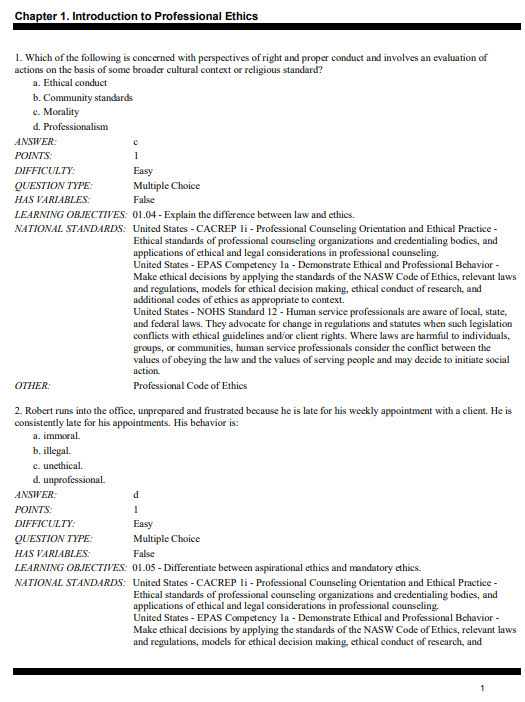
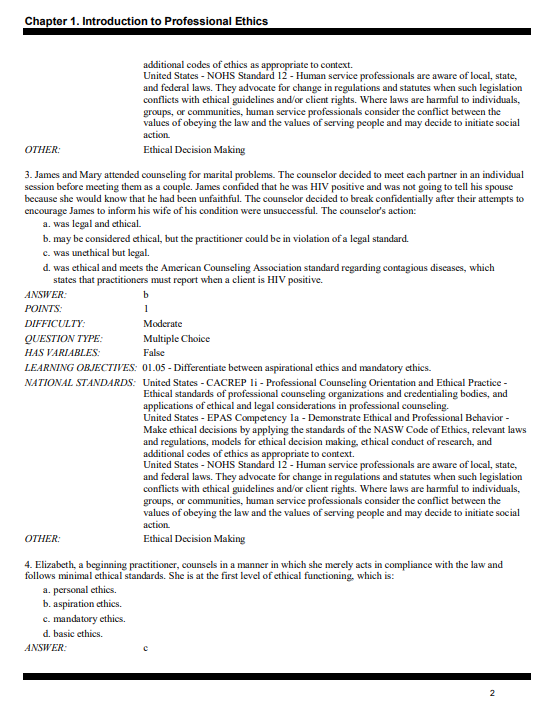
This test bank accompanies Issues and Ethics in the Helping Professions 11th Edition by Corey, Corey, Corey, and Callanan. It sharpens the critical thinking needed to navigate ethics independently when supervisors aren’t available and simple answers don’t exist.
Stop searching for ethical certainty that doesn’t exist. Start developing the nuanced judgment that distinguishes seasoned professionals from beginners.
Created for Real-World Helping Professionals
Ethics textbooks sometimes present idealized scenarios with clear solutions. Reality delivers messy situations with competing stakeholder interests, organizational pressures, and personal limitations.
This test bank embraces that messiness. Questions reflect the ambiguity, time pressure, and emotional intensity characterizing actual ethical dilemmas in counseling rooms, case management offices, and crisis situations.
You’ll practice making defensible decisions when perfect options don’t exist—the essence of real professional ethics.
What Sets This Resource Apart:
- Authentic dilemmas without obvious answers
- Multiple stakeholder perspectives integrated
- Organizational and systemic pressures acknowledged
- Cultural complexity woven throughout
- Contemporary technology challenges included
- Self-care ethics addressed explicitly
- Practice setting diversity represented
- Regulatory variation across states considered
- Questions designed by seasoned practitioners
Why Traditional Ethics Education Falls Short
Most ethics courses teach what you should do. Fewer teach how to figure out what to do when the path forward isn’t obvious.
These questions develop that “how to think” rather than “what to think.” You’ll practice identifying relevant ethical principles, generating alternative actions, anticipating consequences, and constructing defensible rationales.
This reasoning process works for any dilemma, including those that don’t exist yet.
The Ethics You’ll Actually Need
Abstract philosophical debates matter less than recognizing trouble before it becomes disaster. This test bank focuses on the situations destroying careers and harming clients most frequently.
Critical Practice Areas:
- Recognizing dual relationship danger signals early
- Managing intense countertransference ethically
- Balancing documentation thoroughness with efficiency
- Setting sustainable boundaries without rigidity
- Handling client gifts and gestures appropriately
- Responding to client social media contact
- Managing attraction to clients professionally
- Navigating insurance and billing pressures
- Addressing colleague impairment or misconduct
- Maintaining competence in evolving practice areas
- Protecting confidentiality in small communities
- Managing personal crisis impact on practice
- Recognizing when consultation becomes mandatory
- Terminating treatment relationships appropriately
- Balancing agency policies with client needs
Recognize Ethical Trouble Before It Starts
Most ethics violations don’t begin with conscious decisions to harm. They start with small compromises, rationalized exceptions, and slippery slopes.
Questions develop early warning recognition. You’ll identify subtle boundary erosions before they become violations. You’ll recognize rationalization patterns justifying unethical behavior. You’ll understand how good intentions lead to bad outcomes.
This preventive awareness stops problems at the warning sign stage rather than the disaster stage.
Navigate Dual Relationships Without Paranoia
Complete dual relationship avoidance proves impossible in small communities, specialized populations, and certain practice settings. The challenge isn’t avoiding all overlap—it’s managing unavoidable complexity ethically.
These questions teach sophisticated dual relationship navigation. You’ll distinguish harmful exploitation from benign social contact. You’ll assess power differential impact. You’ll implement safeguards for unavoidable multiple relationships.
This nuanced approach prevents both exploitation and unnecessary practice restrictions.
Manage Your Own Limits and Biases
Ethical codes demand self-awareness, but self-awareness requires brutal honesty about personal limitations, triggers, and prejudices.
Questions force confronting these realities. You’ll identify client types you struggle helping. You’ll recognize values conflicts requiring referral. You’ll understand how your issues infiltrate therapeutic work.
This self-awareness creates ethical humility—knowing when you’re not the right helper despite technical competence.
Handle Confidentiality’s Many Exceptions
Confidentiality sounds straightforward until you face parents demanding information, courts ordering records, supervisors requiring details, or team meetings discussing clients.
These questions prepare you for these complications. You’ll determine what to disclose to whom under various circumstances. You’ll communicate confidentiality limits clearly upfront. You’ll navigate family therapy confidentiality complexities.
This preparation prevents the deer-in-headlights moment when someone demands information you’re unsure about sharing.
Make Decisions Under Crisis Pressure
Suicide assessments, mandated reporting decisions, and involuntary hospitalization determinations rarely allow leisurely ethical analysis. You must think clearly while anxious and rushed.
Questions simulate this pressure. You’ll practice rapid risk assessment. You’ll make time-pressured reporting decisions. You’ll balance competing values during crises.
This crisis preparation ensures ethical reasoning doesn’t disappear precisely when you need it most.
Understand Where Law and Ethics Diverge
Legal requirements sometimes conflict with ethical ideals. Ethical codes occasionally demand more than laws require. Navigating this space requires understanding both systems.
These questions illuminate the law-ethics interface. You’ll recognize when legal compliance doesn’t equal ethical practice. You’ll understand when ethics codes exceed legal minimums. You’ll know which takes precedence when they conflict.
This dual awareness prevents assuming legal equals ethical or vice versa.
Practice Across Diverse Populations Ethically
Cultural competence represents an ethical obligation in our diverse society. Understanding how culture shapes ethical decision-making prevents inadvertent cultural harm.
Questions integrate cultural considerations naturally. You’ll recognize Western bias in ethical frameworks. You’ll adapt informed consent for collectivist cultures. You’ll understand how oppression affects therapeutic relationships.
This cultural integration makes ethics genuinely multicultural rather than monocultural with diversity footnotes.
Handle Technology Ethically in Digital Age
Social media, texting with clients, online therapy platforms, electronic records, and digital information security create ethical challenges nonexistent a generation ago.
These questions address digital ethics comprehensively. You’ll establish appropriate social media policies. You’ll maintain confidentiality in electronic communications. You’ll practice telehealth ethically across state lines.
This technological literacy prevents the embarrassing mistakes marking digital naivete.
Manage Billing and Insurance Ethically
Insurance companies pressure for certain diagnoses. Agencies pressure for billable hours. Clients need services insurance won’t cover. Financial pressures create constant ethical temptations.
Questions confront these pressures directly. You’ll resist diagnosis inflation for reimbursement. You’ll document honestly despite productivity expectations. You’ll navigate the conflicting interests inherent in managed care.
This financial ethics awareness prevents the rationalized fraud destroying careers.
Establish Healthy Professional Boundaries
Rigidity damages therapeutic relationships. Excessive flexibility enables exploitation. Finding the appropriate boundary sweet spot requires ongoing calibration.
These questions develop boundary wisdom. You’ll understand therapeutic frame purposes. You’ll flex boundaries thoughtfully when clinically indicated. You’ll recognize when flexibility serves your needs rather than clients’.
This boundary sophistication creates safety without sterility.
Respond to Ethics Complaints Effectively
Even ethical practitioners face complaints from unhappy clients, hostile ex-spouses, or vengeful former supervisees. Knowing how to respond protects your license and livelihood.
Questions prepare you for complaint navigation. You’ll understand licensing board processes. You’ll know how to respond to allegations. You’ll recognize when legal representation becomes essential.
This protection knowledge reduces the terror ethics complaints create.
Supervise Others Without Exploiting Them
Supervision creates inherent power imbalances easily exploited. Understanding supervisory ethics prevents harmful supervisor-supervisee relationships.
These questions develop supervisory awareness. You’ll recognize boundary violations in supervision. You’ll understand your liability for supervisee actions. You’ll balance support with accountability.
This supervisory competence protects vulnerable trainees and clients they serve.
Address Colleague Impairment Appropriately
Witnessing colleague impairment or misconduct creates difficult decisions between loyalty and client protection. Understanding reporting obligations and intervention approaches guides appropriate action.
Questions prepare you for these situations. You’ll determine when informal intervention suffices versus when reporting becomes mandatory. You’ll approach impaired colleagues constructively. You’ll understand whistleblower protections and risks.
This colleague-focused ethics protects clients while respecting professional relationships.
Maintain Competence in Changing Fields
Helping professions evolve rapidly. Yesterday’s cutting-edge treatment becomes today’s malpractice. Maintaining competence requires ongoing learning.
These questions emphasize continuing competence. You’ll recognize when new populations require additional training. You’ll understand how to build competence in emerging treatment approaches. You’ll know when to decline clients outside your expertise.
This competence commitment prevents the stagnation leading to harmful practice.
Terminate Treatment Ethically
Ending therapeutic relationships raises abandonment concerns, transfer logistics, and client dependency issues. Understanding termination ethics prevents harm during vulnerability.
Questions address termination comprehensively. You’ll time termination appropriately. You’ll manage client reactions to ending. You’ll provide adequate referrals and transition support.
This termination skill prevents abandonment allegations and client deterioration.
Balance Self-Care with Availability
Burnout, compassion fatigue, and vicarious trauma affect most helpers eventually. Ethical practice requires attending to your own wellbeing to sustain client service.
These questions validate self-care as ethical necessity. You’ll recognize impairment warning signs. You’ll establish sustainable practice patterns. You’ll understand when personal therapy becomes essential.
This self-care emphasis prevents the martyrdom leading to impairment.
Work Ethically Within Agency Constraints
Private practice autonomy differs dramatically from agency employment. Understanding how to maintain ethics despite organizational pressures proves essential.
Questions address organizational ethics. You’ll navigate conflicting agency policies and professional codes. You’ll advocate for clients within systems. You’ll recognize when employment situations become untenable.
This organizational awareness supports ethical practice in real-world employment contexts.
Prepare for High-Stakes Licensure Ethics Exams
Every major helping profession license requires ethics examination. Understanding how licensing boards think about ethics improves exam performance.
This test bank provides targeted licensure preparation. Questions mirror licensing exam complexity and ambiguity. Content matches major examination blueprints.
Practitioners report this focused practice significantly improved their ethics examination scores.
Develop Ethics Consultation Skills
Consultants provide valuable outside perspectives on complex dilemmas. Understanding how to seek and provide consultation strengthens ethical decision-making.
Questions develop consultation competence. You’ll know when consultation becomes mandatory versus optional. You’ll seek consultation effectively. You’ll provide helpful consultation to colleagues.
This consultation skill creates the safety net preventing isolated bad decisions.
Study Efficiently Despite Demanding Schedules
Graduate students and working professionals lack unlimited study time. Efficiency matters when balancing coursework, practica, jobs, and personal lives.
This test bank enables focused learning. Practice specific topics before exams. Take diagnostic quizzes identifying weak areas. Review comprehensively before licensure examinations.
The organization respects that helpers-in-training have clients, supervisors, and lives demanding attention.
Learn Through Realistic Case Analysis
Abstract principles become meaningful through application to realistic situations. Detailed scenarios bring ethics to life.
These questions present rich, complex cases without easy answers. You’ll experience the emotional pull of competing values. You’ll practice reasoning under realistic constraints.
This case-based learning prepares you for the complexity ahead.
Build Ethical Resilience
Ethical practice requires maintaining standards despite pressure, fatigue, and temptation. Building resilience to ethical compromise proves as important as knowing right answers.
Questions develop this resilience. You’ll practice resisting common rationalizations. You’ll recognize slippery slopes before sliding. You’ll maintain boundaries despite client pressure.
This ethical fortitude sustains integrity throughout long careers.
Join an Ethical Professional Community
Helpers share responsibility for profession-wide ethical standards. Understanding your role in collective integrity creates accountability beyond individual practice.
These questions foster professional identity and responsibility. You’ll recognize your impact on professional reputation. You’ll commit to upholding collective standards. You’ll contribute to improving professional ethics.
This community consciousness elevates ethics from personal compliance to professional stewardship.
Wisdom from Ethics Education Pioneers
The Corey team literally wrote the book on helping professions ethics education. Their influence shaped how ethics gets taught across disciplines and programs.
This test bank distills that decades of expertise. Questions reflect deep understanding of what ethical practitioners actually need to know.
Their wisdom ensures you learn from masters rather than novices.
Your Foundation for Ethical Practice
Ethics determines whether your career helps or harms, succeeds or implodes. No amount of clinical skill compensates for ethical failures.
This test bank builds the ethical foundation supporting everything else you’ll learn. Professionals who master ethics practice confidently, sleep soundly, and maintain licenses throughout long careers.
Don’t treat ethics as obstacle to overcome. Embrace it as the compass guiding you through the inevitable ambiguity, complexity, and challenge characterizing helping work.
Your future clients trust you with their deepest vulnerabilities. This test bank helps you become worthy of that sacred trust through developed ethical wisdom, practiced decision-making skill, and genuine commitment to client welfare above convenience, profit, or ego.
Morgan Fraiser –
Quite helpful
Norah Helen –
Perfectly organized study resource
Mary Kesh –
Solid test bank
Kamara Reid –
Helped me prepare with confidence
Dorcas M. –
Excellent review material for nursing students
Lisa Horton –
Excellent practice questions with detailed, easy-to-understand explanations.
Peterson S. –
Questions closely match what I studied.
Liam Mbogo –
Great practice before taking my exams